Rekha Gupta Launches Smart Waste Collection System in West Delhi, Flags Off 917 Sanitation Vehicles
Technology-driven project to cover 4.5 lakh households with GPS tracking, smart monitoring and twice-daily waste collection

 The Impressive Times
New Delhi, July 23, 2026:
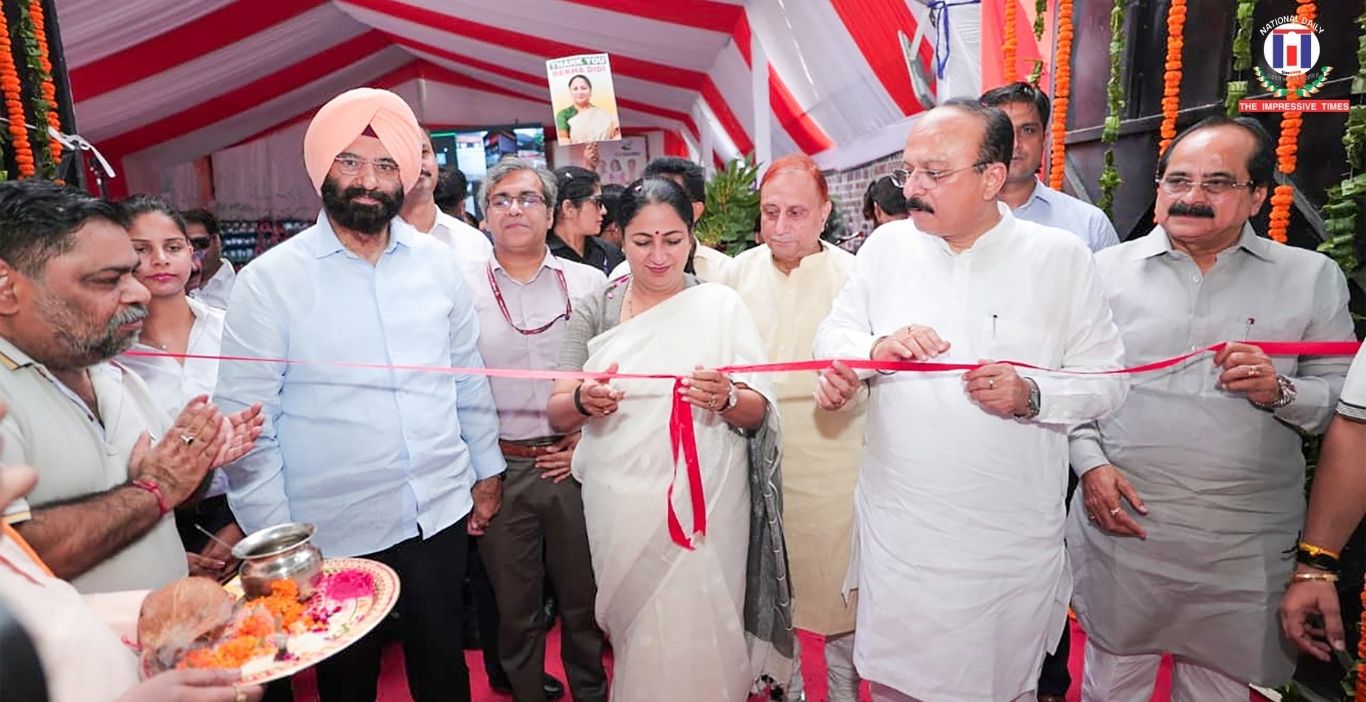
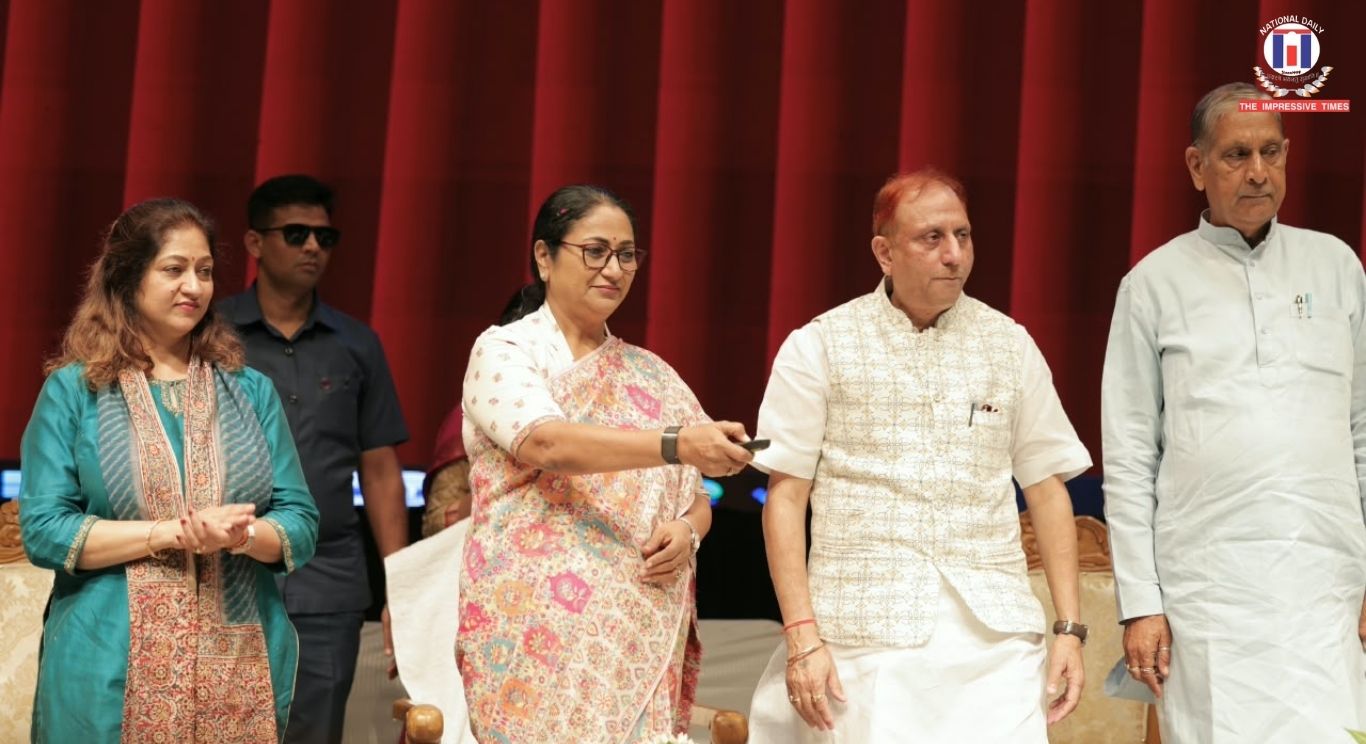
The West Delhi Waste initiative received a major boost on Thursday as Chief Minister Rekha Gupta launched a technology-driven door-to-door waste collection system and flagged off 917 smart sanitation vehicles to improve garbage collection and cleanliness across the district.
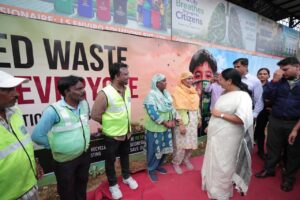
Following the launch, Gupta met Municipal Corporation of Delhi (MCD) sanitation workers, thanked them for their contribution to maintaining cleanliness in the city, and shared a meal with them as a gesture of appreciation for their dedicated service.
The event was attended by Urban Development Minister Ashish Sood, Environment Minister Manjinder Singh Sirsa, Delhi Mayor Pravesh Wahi, MCD Commissioner Sanjeev Khirwar and senior civic officials.
Addressing the gathering, the Chief Minister said the government’s vision extends beyond routine garbage collection and focuses on building a modern waste management ecosystem supported by digital technology, transparency and accountability. She said the upgraded system would help improve collection timelines, monitoring and overall sanitation standards across the city.
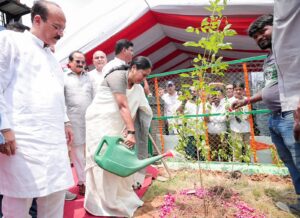
Gupta noted that several civic challenges, including inadequate waste collection vehicles and outdated infrastructure, had affected sanitation services in the past. She said these issues are now being addressed through modern equipment and scientifically designed transfer stations that are cleaner, more efficient and environmentally responsible. Similar projects, she added, will be implemented across Delhi in phases.
Calling for greater public participation, the Chief Minister urged residents to cooperate by handing over household waste through the door-to-door collection system and practising segregation of wet and dry waste. She said active citizen involvement, combined with improved infrastructure, is essential for transforming Delhi into one of the country’s cleanest capitals.
The initiative will ultimately serve nearly 4.5 lakh households spread across 25 municipal wards in West Delhi. Operations have begun in six wards, while the remaining areas are expected to be covered by the end of August 2026.
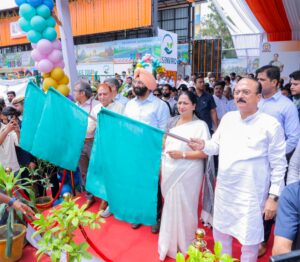
To support the project, authorities have deployed a comprehensive fleet comprising 225 electric rickshaws for narrow lanes, 550 mini tippers, 52 compactors, 41 hook loaders, 28 Tata 407 vehicles, 10 dumpers, six automated bin-washing vehicles and more than 120 fixed compaction transfer station bins. Officials said these resources are expected to ensure regular and complete household waste collection.
The sanitation system will be supervised through a central digital monitoring platform featuring GPS tracking, CCTV surveillance, a dedicated control room, the ESBM mobile application and a public helpline. Existing waste collection points are also being upgraded into modern Fixed Compaction Transfer Stations designed to reduce odour, improve hygiene and streamline waste handling.
Urban Development Minister Ashish Sood said the initiative represents a major improvement in Delhi’s sanitation infrastructure. According to him, the use of digital monitoring, modern vehicles and a stronger grievance redressal system will significantly improve municipal services for residents while making waste management more transparent and efficient.
Environment Minister Manjinder Singh Sirsa said household garbage will now be collected twice daily instead of once, helping keep neighbourhoods cleaner throughout the day. He added that Delhi’s sanitation transformation reflects the government’s long-term commitment to improving civic infrastructure and public services.
Sirsa also highlighted the ongoing effort to eliminate the capital’s legacy landfill sites, stating that more than 70 acres of old garbage dumps have already been cleared from nearly 200 acres of landfill land. He expressed confidence that continued scientific waste management and sustained cleanup efforts would help ensure future generations no longer witness towering garbage dumps in Delhi.

























No Comments: