Amit Shah Launches ₹8,941 Crore Yamuna Rejuvenation Projects in Delhi, Sets 2029 Deadline for Cleaning River
Union Home Minister inaugurates 10 projects and lays foundation stones for 33 others; says over 40% of the planned work has been completed and sewerage infrastructure will be expanded across the capital.
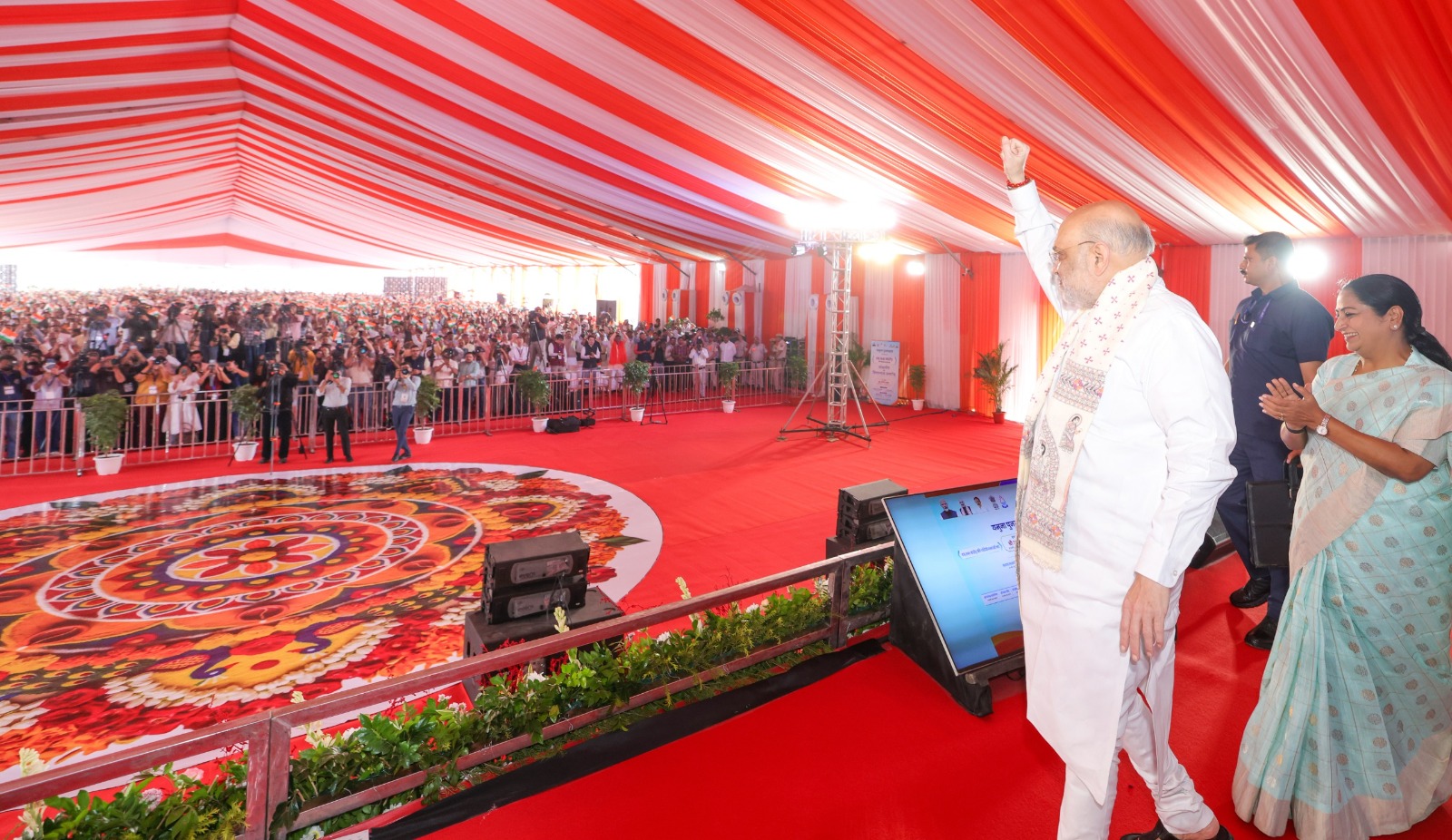
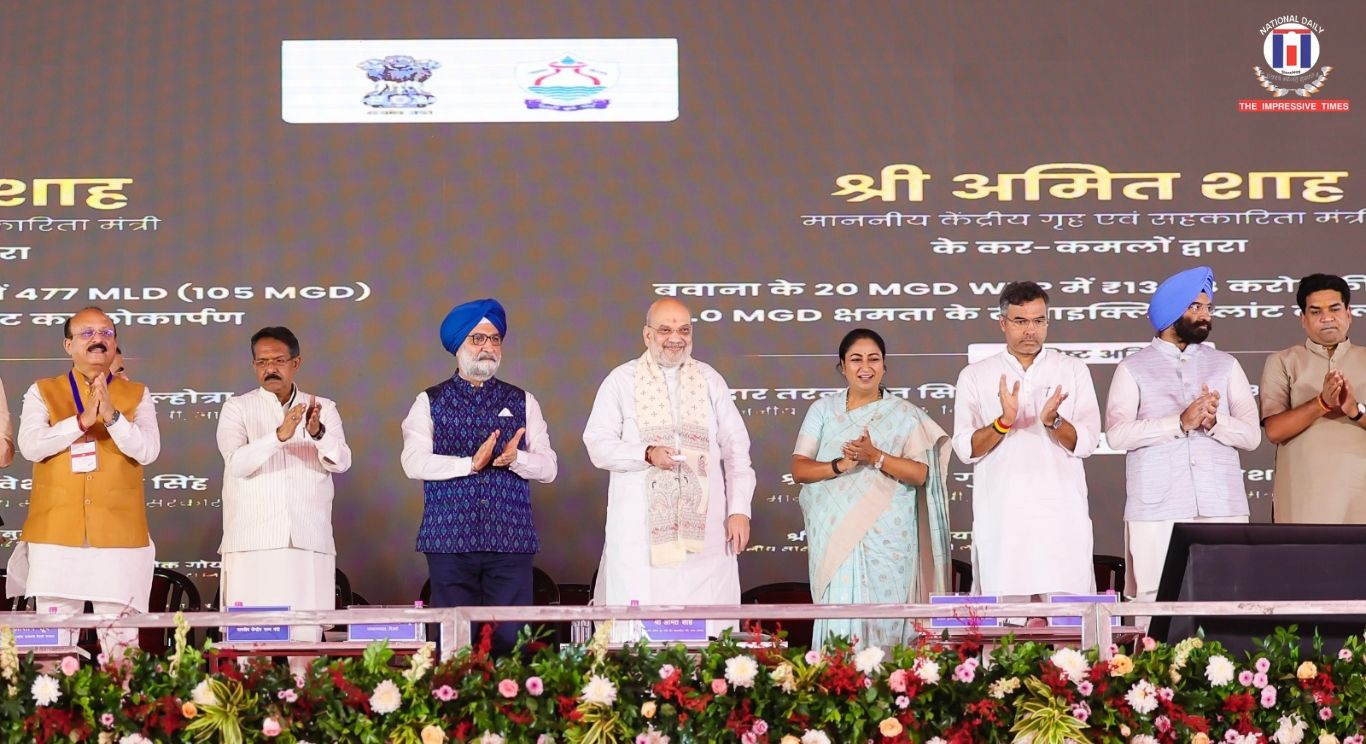
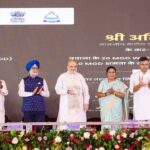
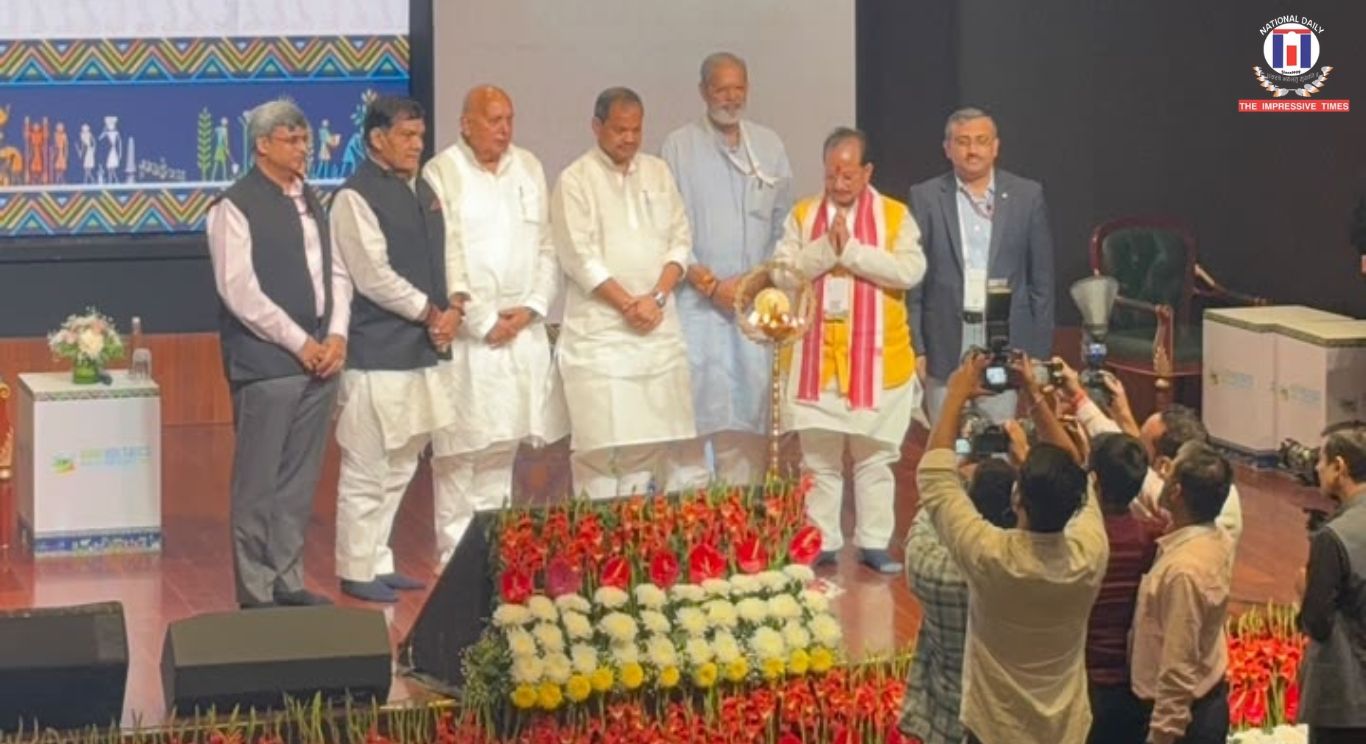
New Delhi, October 22: Union Home Minister Amit Shah on Thursday attended the inauguration and foundation-stone laying ceremony for projects worth ₹8,941 crore aimed at rejuvenating the Yamuna River in Delhi. The event was attended by Lieutenant Governor Taranjit Singh Sandhu, Chief Minister Rekha Gupta and other dignitaries.
Addressing the gathering, Shah said the projects were part of a broader plan to reduce pollution in the Yamuna, upgrade sewage treatment infrastructure and improve sanitation across the national capital. He expressed confidence that the river would be cleaned by May 2029.
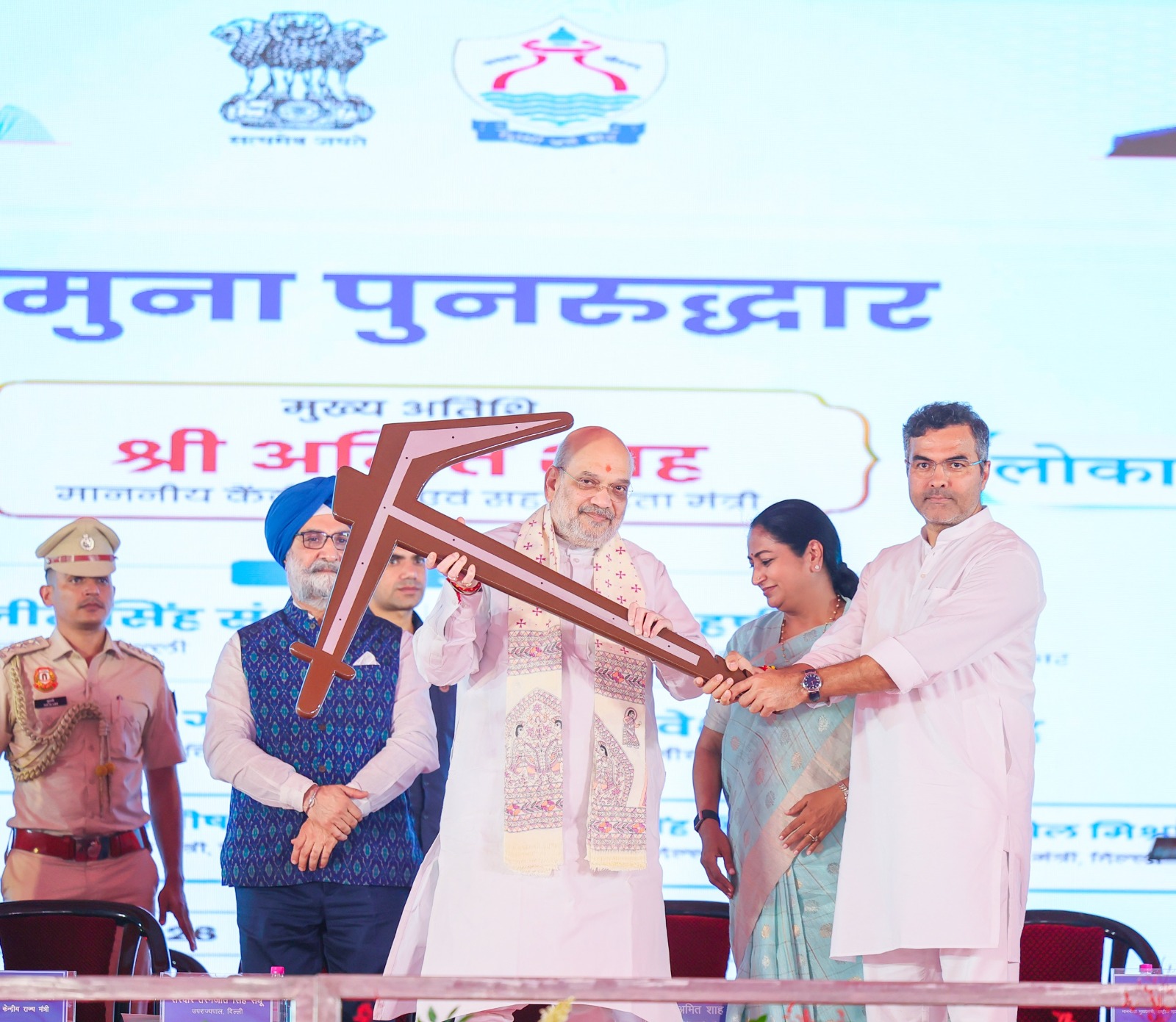
Shah said Prime Minister Narendra Modi had outlined a plan to make the Yamuna pollution-free soon after the government was formed in Delhi, adding that more than 40% of the work under the plan had been completed.
10 Projects Inaugurated, 33 Others Launched
According to Shah, 10 projects were inaugurated and foundation stones were laid for 33 additional projects under the ₹8,941-crore programme.
The initiatives include upgrading existing sewage treatment plants (STPs), installing new facilities, establishing decentralised sewage treatment and pumping stations, connecting households to sewer networks, and carrying out sewer rehabilitation, drainage and wastewater interception work.
Shah said these measures would increase the volume of sewage treated before water is discharged into the Yamuna. He also outlined plans to provide sewerage connections to every household in Delhi over three years and improve access to clean drinking water.
Shah said governments at the Centre and in Delhi, Haryana and Uttar Pradesh had jointly prepared time-bound roadmaps to address pollution affecting the river.
He alleged that previous governments had allowed untreated sewage from Delhi and waste from dairies to enter the Yamuna for decades. He also referred to industrial wastewater from Haryana and polluted water from Uttar Pradesh as contributing factors.
The minister said the coordinated plan would address pollution across state boundaries, with the broader objective of improving the river’s condition from Yamunotri to the Sangam.
Shah also highlighted the Delhi government’s efforts to reduce accumulated waste at the Okhla, Bhalswa and Ghazipur landfill sites.
He said the Rekha Gupta-led government, with assistance from the Centre, had cleared 2.17 crore metric tonnes of garbage and reclaimed 100 acres of land previously occupied by waste.
According to the minister, the height of the garbage mounds at Okhla and Bhalswa had been reduced by 30 to 40 metres, while the Ghazipur landfill had been reduced by 10 to 15 metres.
Shah said the government intended to develop gardens on the reclaimed landfill areas over the next two years. He also cited projects at Asita East, Bansera and Vasudev Ghat as examples of work undertaken to improve Delhi’s public spaces and riverfront areas.
Amit Shah Criticises Opposition Over EVMs and Vote Theft Claims
The Home Minister also launched a political attack on opposition parties, accusing them of raising allegations of electronic voting machine irregularities and vote theft when they lose elections.
Shah argued that opposition parties had accepted electoral processes in states where they won but questioned the Election Commission and voter lists after defeats. He cited Kerala, Telangana, Himachal Pradesh and Tamil Nadu as examples.
He also criticised opposition protests in Delhi, saying political parties should focus on addressing public concerns and delivering results rather than questioning electoral outcomes.
These remarks formed part of Shah’s wider criticism of previous Delhi governments, which he accused of failing to address pollution in the Yamuna and accumulated waste at landfill sites.
Shah Promises Action Against Drug Trade in Punjab
Shah also addressed the issue of drug trafficking in Punjab, criticising the state government’s handling of the problem. He said his party would work to end the drug trade in the state by 2029.
He argued that governments should be judged on their performance and ability to address public grievances, rather than on political claims and protests.
The event combined the launch of major river-cleaning and sanitation projects with a broader political message from the Home Minister on governance, infrastructure development and accountability.
The stated objective of the Yamuna programme is to improve sewage treatment, expand household sewer connections and reduce the discharge of untreated wastewater into the river, with May 2029 set as the target for cleaning the Yamuna.



















No Comments: