Jio Platforms IPO Signals Growth Ambitions as Tata Sons Faces Listing Debate
India’s Corporate Giants Take Different Paths as Jio Prepares for Market Debut and Tata Group Weighs Ownership, Legacy and Accountability

 The Impressive Times
New Delhi, October 19, 2026: Two of India’s most prominent business groups are approaching the prospect of a stock market listing from sharply different positions. While Reliance Jio Platforms is preparing for a landmark initial public offering (IPO) aimed at financing its next phase of growth, Tata Sons is facing an internal disagreement over whether going public would serve the group’s long-term interests.
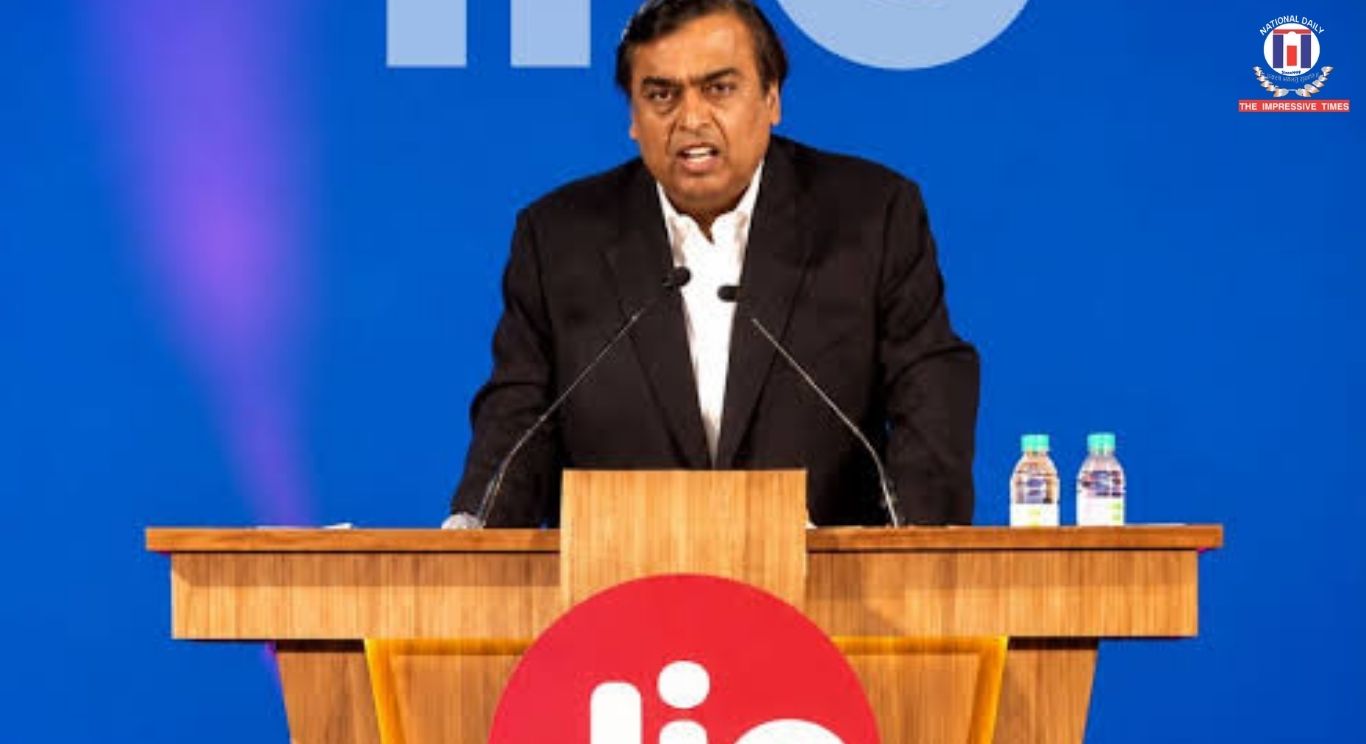
Jio Platforms, the digital services arm of Reliance Industries led by Mukesh Ambani, is scheduled to open its IPO for subscription from October 21 to 23. The proposed issue, estimated at around $3.2 billion, is being viewed as a significant milestone for a business that has transformed India’s telecommunications and digital services landscape since its launch in September 2016.
For Jio, the listing represents an opportunity to enter a new phase of development, expand its investor base and strengthen its position in an increasingly competitive digital economy. Managing Director Akash Ambani has described the IPO as a defining moment for the company, highlighting its importance for future growth.
The proposed offering comes as businesses increasingly seek capital to expand digital infrastructure, develop technology-driven services and tap new sources of revenue. A public listing could also give investors a more direct opportunity to participate in Jio Platforms’ future performance.
The situation is markedly different at Tata Sons, the holding company of the Tata Group, whose businesses span steel, automobiles, technology, electronics and several other industries.
The question of a possible listing has exposed differences within the group, with Tata Trusts, its largest shareholder, opposing the move. Tata Trusts Chairman Noel Tata has argued that a stock market listing could affect the group’s legacy and philanthropic mission.
Supporters of listing, however, contend that public ownership need not prevent the Tata Group from continuing its charitable activities. They maintain that philanthropy and the responsibilities of a publicly listed company can coexist, provided the appropriate governance structures remain in place.
The debate touches on a fundamental question for the conglomerate: how to balance its longstanding institutional philosophy with the expectations of investors, regulatory requirements and the changing demands of modern corporate governance.
The contrast between the two companies highlights different approaches to ownership and expansion.
For Jio Platforms, a public offering is being positioned as a gateway to its next growth phase. A listing could improve transparency, establish a market valuation and create additional opportunities to raise capital for business expansion. It would also subject the company to greater scrutiny from shareholders and public-market investors.
For Tata Sons, the central issue extends beyond fundraising. The discussion involves the relationship between ownership, control, institutional values and the role of Tata Trusts in preserving the group’s philanthropic commitments.
The two cases also demonstrate that an IPO is not merely a financial transaction. It can reshape shareholder relationships, influence decision-making and change how a company communicates its long-term strategy to stakeholders.
Public-market investors typically assess companies through their earnings potential, growth prospects, corporate governance and ability to deliver sustainable returns. A listing can widen access to capital but also brings greater disclosure obligations and pressure to meet market expectations.
For Jio Platforms, investors will be watching how effectively the company converts its scale in telecommunications and digital services into sustained financial growth. Its long-term performance will depend on business execution, competition, investment requirements and its ability to develop new revenue streams.
For Tata Sons, the outcome of the listing debate could have implications for the group’s ownership framework and its approach to balancing commercial objectives with philanthropic commitments. Any decision will need to account for the interests of shareholders while preserving the institutional arrangements that have shaped the Tata Group for generations.
Ultimately, the two developments reflect different priorities at a crucial moment for Indian corporate India. Jio Platforms is preparing to open a new chapter through the capital markets, while Tata Sons is confronting a broader debate over whether a public listing would strengthen or complicate its existing model.
Their contrasting paths underline a larger corporate lesson: access to public capital can create opportunities for expansion, but the decision to list must also account for governance, ownership and the long-term purpose of the institution.















































No Comments: