Bhupender Yadav Calls for Technology-Driven Forest Governance, Stronger Conservation Leadership
Minister urges Indian Forest Service officers to combine scientific innovation, community participation and sustainable development as they prepare for emerging environmental challenges
New Delhi- Union Environment Minister Bhupender Yadav has called on Indian Forest Service (IFS) officers to adopt a broader leadership role in environmental governance, stressing that forest management must evolve beyond conventional regulatory responsibilities to address increasingly complex ecological challenges.
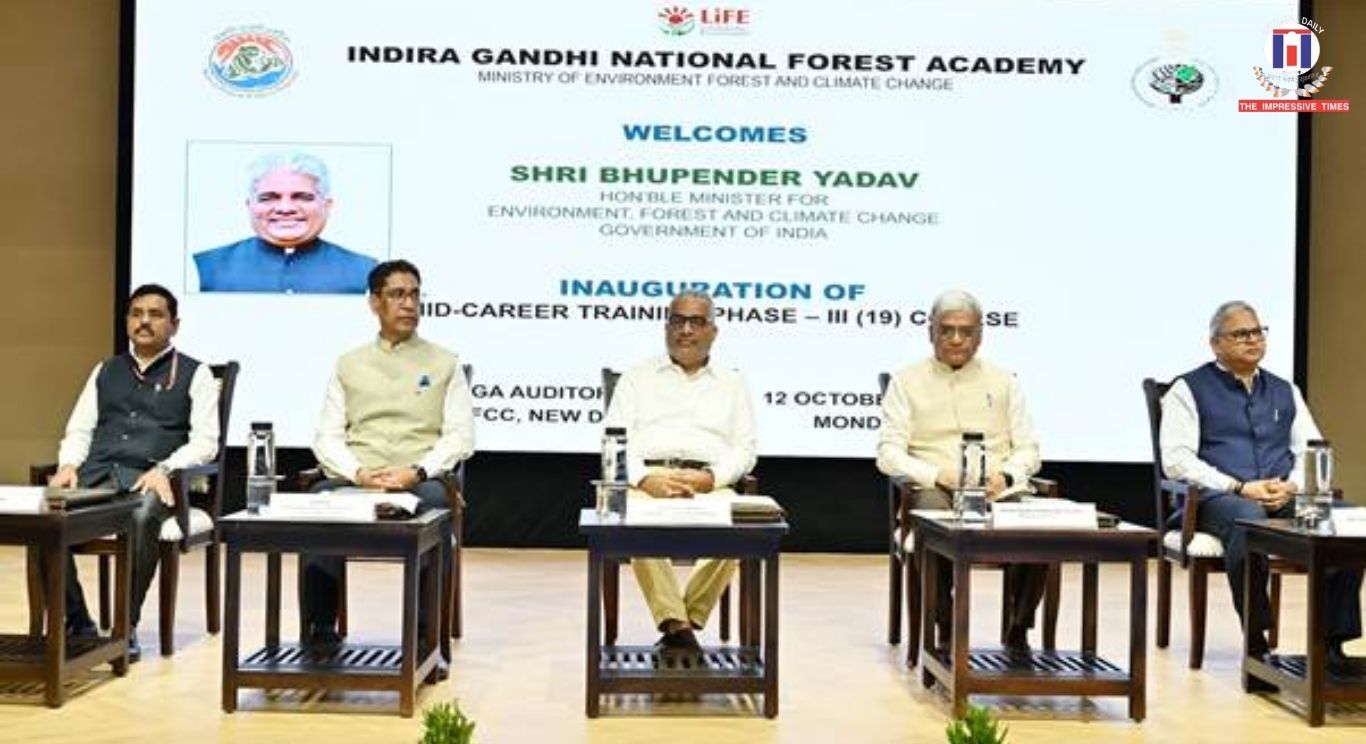
Interacting with participants of the Indian Forest Service Mid-Career Training Phase-III (19) in New Delhi on Monday, Yadav emphasised the need for innovative thinking, technology-led decision-making and stronger engagement with local communities to protect India’s forests, wildlife and biodiversity.
The minister said the country’s development priorities must remain closely aligned with environmental protection as India works towards the vision of Viksit Bharat\@2047. He identified human-wildlife conflict, forest fires, climate change and the competing demands of infrastructure development and conservation as key issues requiring practical, science-based solutions.
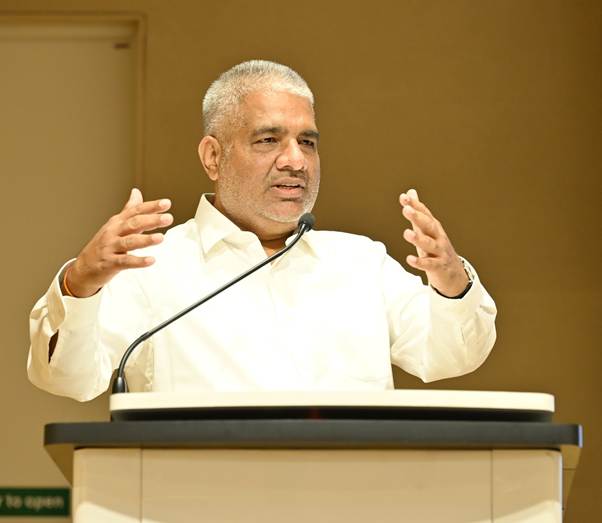
Highlighting India’s ecological diversity, Yadav described forests and other biological resources as vital assets that require informed management and long-term planning. He encouraged officers to use their field experience alongside broader policy knowledge to develop solutions suited to local environmental conditions.
The minister also pointed to conservation initiatives aimed at expanding green cover, restoring degraded landscapes and protecting wetlands. Programmes such as Ek Ped Maa Ke Naam, MISHTI, the Aravalli Green Wall initiative and Nagar Van Yojana were highlighted in the context of strengthening ecological restoration and public participation in environmental protection.
Yadav stressed that emerging technologies, including geographic information systems (GIS), remote sensing and artificial intelligence, could improve forest monitoring, management planning and administrative decision-making. He also underscored the importance of incorporating traditional knowledge, building institutional capacity and involving communities in conservation efforts.
The interaction was attended by senior officials of the Ministry of Environment, Forest and Climate Change, including Secretary Narendra Bhooshan, Director General of Forests and Special Secretary Santosh Tiwari, Additional Director General of Wildlife Ramesh Pandey and Indira Gandhi National Forest Academy Director Rajendra Prasad Khajuria.
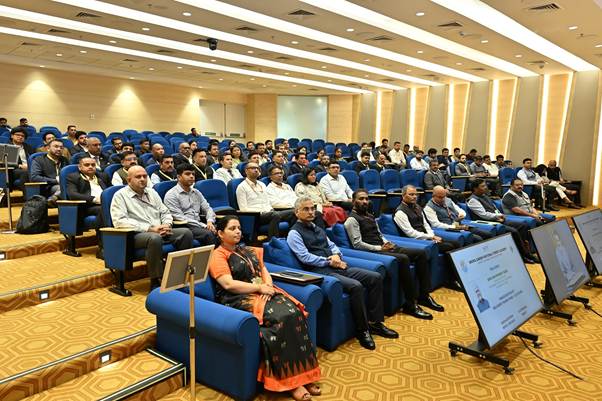
The Mid-Career Training programme, organised by the Indira Gandhi National Forest Academy (IGNFA), is scheduled to run from October 12 to November 6, 2026. It is intended for IFS officers with seven to nine years of professional experience.
A total of 68 officers representing 18 state cadres are participating in the programme. Their professional interests include wildlife governance, climate-resilient forestry, habitat restoration, biodiversity conservation and environmental policy implementation.
The training combines policy exposure with management development and specialised forestry modules. Participants will study the links between environmental policy and other sectors through interactions with central ministries and organisations. Visits to Uttarakhand and Uttar Pradesh are also planned to examine approaches to wildlife management, ecotourism, biodiversity protection and community-based forest management.
The management component will cover leadership, financial and human resource management, negotiation, conflict resolution, ethical decision-making and institutional change. The forestry component will address subjects such as artificial intelligence in forestry, climate finance, biodiversity governance, watershed management, environmental conventions, Forest Rights Act-related issues and recent amendments to forest conservation legislation.
The programme aims to strengthen officers’ ability to translate policy priorities into effective field-level action while preparing them to respond to changing environmental and administrative demands.
Yadav’s message placed particular emphasis on developing forest officers as problem-solvers and facilitators of sustainable development, with the responsibility of balancing ecological protection, public participation and India’s long-term development objectives.







































No Comments: