Disability rehabilitation is emerging as an important career field that combines healthcare, education, psychology and social service. As awareness of disability rights and inclusive education grows, trained professionals are increasingly important in helping persons with disabilities develop independence, access education, participate in employment and lead fulfilling lives.
The profession extends beyond medical treatment. Rehabilitation specialists support individuals in developing communication skills, improving mobility, accessing assistive devices and overcoming barriers to education and social participation. For students interested in a career that combines specialised knowledge with meaningful social impact, the sector offers several educational and professional pathways.
Understanding the Scope of Disability Rehabilitation
Rehabilitation services cater to people with different needs, including visual and hearing impairments, physical disabilities, intellectual disabilities, autism and multiple disabilities. Depending on the individual’s circumstances, support may involve early intervention, specialised teaching, psychological assessment, speech therapy, mobility training or vocational guidance.
The field brings together professionals from different disciplines. Special educators help students learn through suitable teaching methods, while audiologists and speech-language pathologists assess and manage communication and hearing disorders. Clinical and rehabilitation psychologists provide specialised psychological services, and rehabilitation counsellors guide individuals and their families through education, employment and community integration.
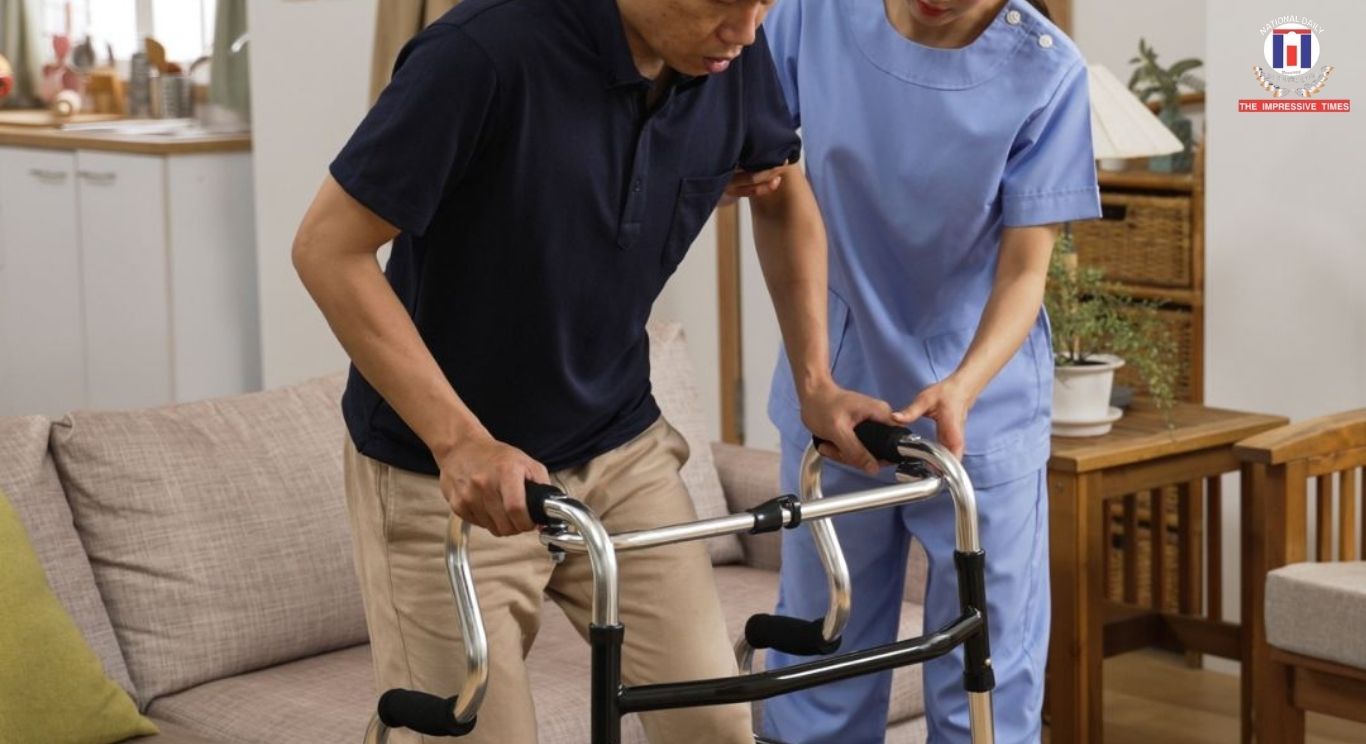
Physiotherapists and occupational therapists also contribute to rehabilitation by supporting movement, functional independence and everyday activities. Orthotists and prosthetists design and fit assistive devices, including braces and artificial limbs, to improve mobility and functioning.
Courses and Qualifications for Aspiring Professionals
Students can enter the field through different academic routes, depending on their chosen specialisation. Diploma, undergraduate and postgraduate programmes are available in several areas of disability rehabilitation.
Special education offers pathways for those interested in teaching children with specific learning and developmental needs. Courses may focus on visual impairment, hearing impairment, autism spectrum disorder, intellectual disabilities, cerebral palsy and multiple disabilities. Professionals working with visually impaired students may require knowledge of Braille, while those supporting students with hearing impairment may need sign-language and alternative communication skills.
Students interested in communication and hearing disorders can explore audiology and speech-language pathology programmes. These fields involve the assessment, diagnosis and management of speech, language and hearing difficulties.
Psychology graduates may pursue further specialised training in clinical or rehabilitation psychology, subject to the applicable eligibility and professional registration requirements. Other options include rehabilitation counselling, rehabilitation social work, prosthetics and orthotics.
The appropriate qualification depends on the role a student intends to pursue. Prospective applicants should review current admission criteria, course duration, clinical training requirements and recognition status before enrolling.
Where Can Rehabilitation Professionals Work?
Career opportunities extend across hospitals, rehabilitation centres, special schools, mainstream educational institutions, non-governmental organisations, community health programmes and specialised disability services.
Special educators can work in schools and inclusive education programmes, helping students access learning through appropriate teaching strategies. Audiologists and speech-language professionals may find opportunities in hospitals, clinics and specialised centres. Psychologists and counsellors can work in eligible clinical, rehabilitation and community settings according to their qualifications and registration status.
Orthotists and prosthetists work with healthcare teams to assess individual needs and design, fit and maintain assistive devices. Rehabilitation social workers help individuals and families access support services, educational opportunities, vocational training and community resources.
Some professionals may also pursue research, teaching, programme management, disability advocacy or independent practice where permitted by their qualifications and applicable regulations.
The Importance of Professional Recognition
In India, the Rehabilitation Council of India (RCI) plays a key role in regulating specified rehabilitation and special education qualifications and professional registration. Students considering RCI-regulated courses should verify whether the institution and particular programme have valid recognition for the relevant academic session.
They should also confirm whether registration with the appropriate professional body is mandatory for their intended role. Requirements vary by discipline, and completing a course does not automatically confer eligibility to practise in every specialised field.
Checking recognition before admission is essential because it can affect future employment, registration and professional practice.
Skills That Can Strengthen a Career
Academic qualifications are important, but successful rehabilitation professionals also need patience, empathy, communication skills and the ability to work collaboratively. Understanding individual differences and respecting the choices and dignity of persons with disabilities are central to effective practice.
Practical experience through supervised placements, internships and community-based programmes can help students understand real-world challenges. Familiarity with assistive technology, inclusive teaching practices, accessibility standards and interdisciplinary teamwork can further strengthen professional readiness.
A Career With Social Impact
Disability rehabilitation remains a multidisciplinary field with opportunities to contribute to healthcare, education and social inclusion. As services evolve and awareness of accessibility increases, qualified professionals can play an important role in helping individuals participate more fully in society.
For students exploring this career, the first step is to identify an area of interest, understand the required qualifications and choose a recognised training pathway. With appropriate education, practical experience and a commitment to inclusive care, disability rehabilitation can offer a career that combines professional development with a tangible contribution to people’s lives.






















No Comments: