Savings of up to ₹50,000 on electric two-wheelers, ₹75,000 on e-autos, and ₹1.50 lakh on commercial goods carriers: CM Rekha Gupta
New EV Policy to Deliver Significant Savings While Boosting the Earnings of Commercial Drivers

 The Impressive Times
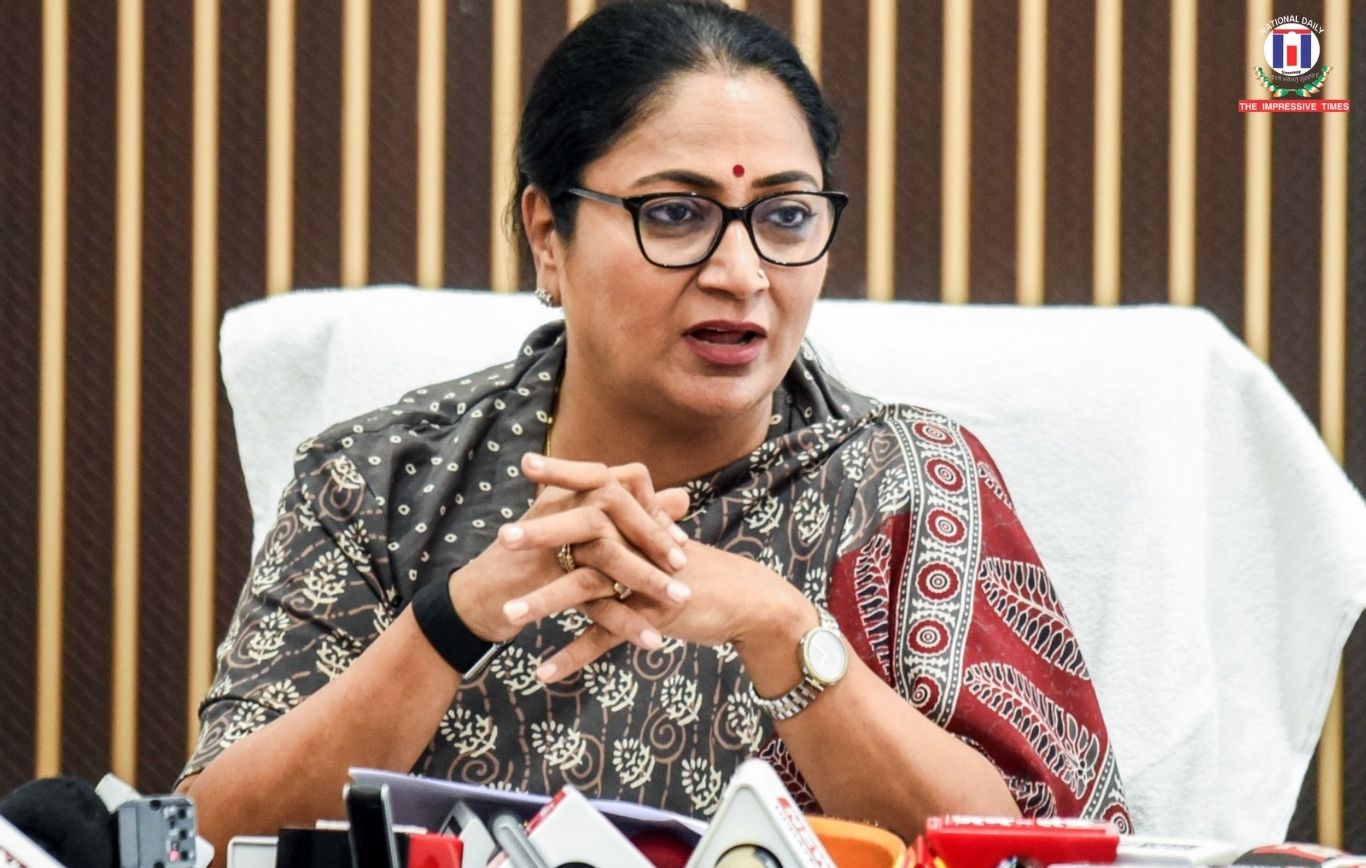
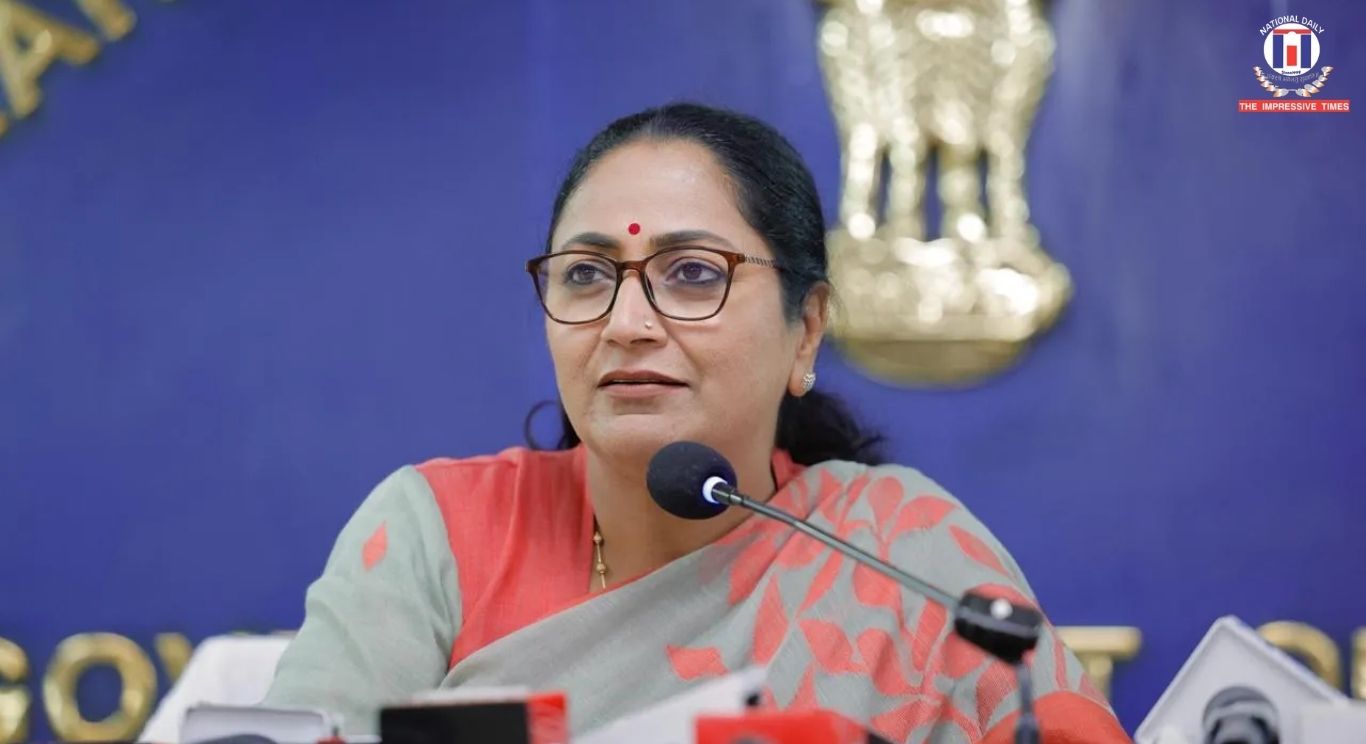
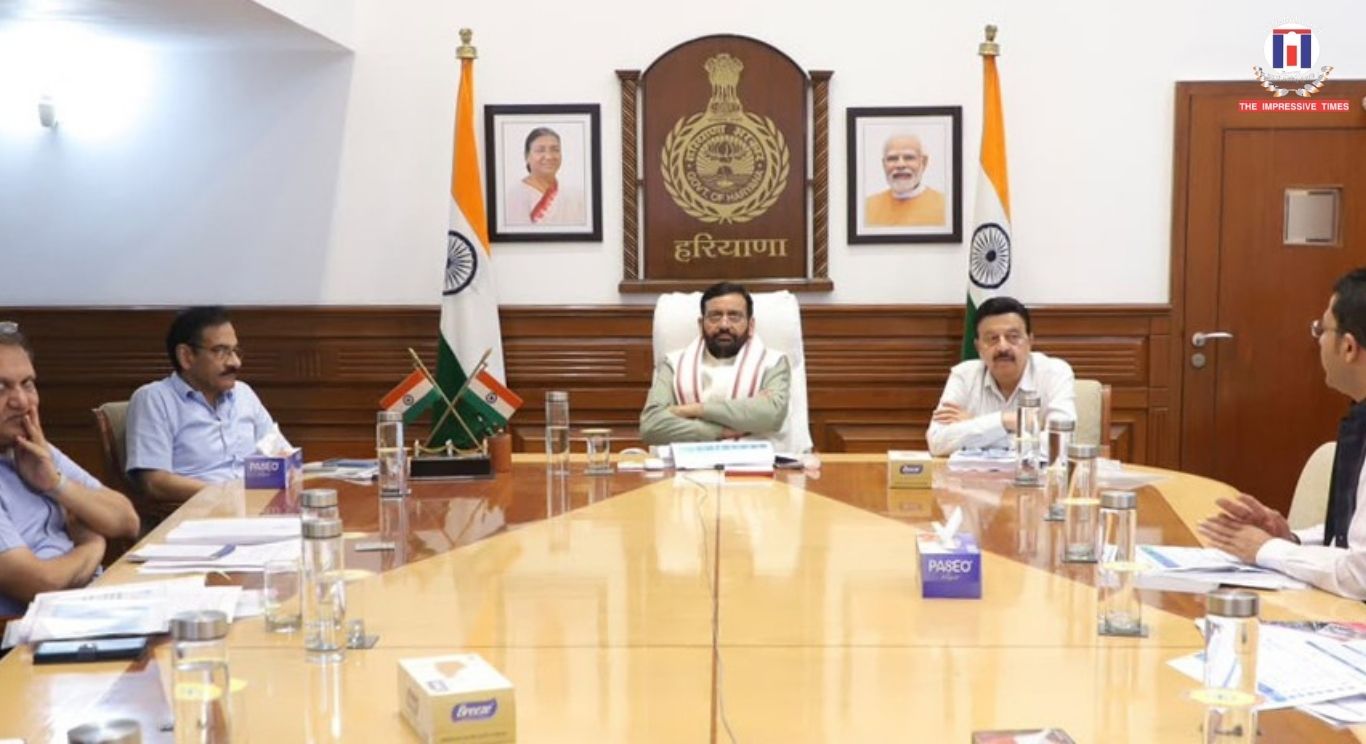
New Delhi, 2 July 2026: Delhi Chief Minister Smt. Rekha Gupta said that the Delhi EV Policy 2026 is not just a step towards a cleaner environment, but also a people-centric policy designed with the financial interests of ordinary citizens in mind. The policy aims to reduce not only the upfront cost of buying an electric vehicle but also its lifetime ownership cost, encouraging more people to switch to EVs.
The Chief Minister said that the biggest question most people have before buying an electric vehicle is whether it will actually save them money. According to her, the Delhi EV Policy 2026 provides a clear and positive answer. The policy brings together multiple financial benefits, including purchase incentives, incentives for scrapping old polluting vehicles, lifetime exemption from road tax, waiver of registration fees, and lower operating and maintenance costs compared to petrol and diesel vehicles. As a result, electric vehicles are emerging as the most financially sensible choice for households, commercial drivers, and businesses of all sizes.
She said that eligible buyers of electric two-wheelers will receive a purchase incentive of up to ₹30,000, a scrapping incentive of ₹10,000, lifetime exemption from road tax, and a complete waiver of registration fees. Together, these benefits can result in initial savings of more than ₹50,000, excluding tax-related benefits. Eligible buyers of electric auto-rickshaws (L-5) will receive a purchase incentive of up to ₹50,000, a scrapping incentive of ₹25,000, lifetime road tax exemption, and a full waiver of registration fees, resulting in initial savings of more than ₹75,000, excluding tax benefits.
Under the policy, buyers of electric Gramin Sewa vehicles will receive a scrapping incentive of ₹15,000 for replacing an old vehicle. Eligible buyers of electric N-1 goods carriers will receive a purchase incentive of up to ₹1 lakh, a scrapping incentive of ₹50,000, lifetime exemption from road tax, and a waiver of registration fees. These benefits can reduce the initial cost by nearly ₹1.50 lakh, excluding tax-related benefits.
Chief Minister Rekha Gupta said that the policy does not provide a purchase incentive for private electric cars. However, eligible buyers who scrap a conventional fuel-powered car and purchase an electric car will receive a scrapping incentive of up to ₹1 lakh. They will also benefit from lifetime road tax exemption and a complete waiver of registration fees. She said that even without a purchase incentive, these provisions offer substantial financial benefits to buyers. One of the biggest strengths of the policy, she added, is that it combines multiple financial benefits instead of relying on a single subsidy. Eligible buyers can significantly reduce the effective purchase cost of their vehicles by availing themselves of purchase incentives, scrapping incentives, lifetime road tax exemption, and a one-time waiver of registration fees. This makes Delhi one of the most attractive places in the country to buy an electric vehicle.
The Chief Minister said that the government has chosen to invest public funds where they can benefit ordinary citizens the most. With this approach, priority has been given to vehicle categories such as two-wheelers, three-wheelers, and N1 goods carriers, as these are primarily used by lower and middle-income families, commercial drivers, delivery partners, and small businesses. Instead of offering purchase subsidies for private cars, the government has focused its investment on vehicle segments that will have the greatest positive impact on the environment while also strengthening the livelihoods of millions of people.
She further said that the road tax exemption under the policy is not limited to the policy period but will remain valid for the entire lifetime of the vehicle. Buyers will also receive a full waiver of registration fees at the time of purchase. These benefits will reduce the upfront cost of ownership, while electric vehicles will continue to be more economical than conventional petrol and diesel vehicles. The savings do not end with the purchase. The cost of energy per kilometre for electric vehicles is significantly lower than that of petrol and diesel vehicles. In addition, EVs have fewer moving parts, resulting in lower maintenance and servicing costs. Over the lifetime of the vehicle, these operating savings can often exceed the value of the government’s initial financial incentives.
Chief Minister Rekha Gupta said that more than 300 registered electric vehicle models are currently available in Delhi, ranging from affordable scooters and premium motorcycles to electric auto-rickshaws and commercial goods carriers. Growing competition among manufacturers has improved product quality, expanded consumer choice, and made electric vehicles more accessible for people across different income groups and usage needs. She urged citizens to ensure that the vehicle they choose is an approved model under the Delhi EV Policy before making a purchase. The Transport Department will publish the list of all eligible models on its online portal, and buyers should verify the list before booking a vehicle.



















No Comments: