India’s Solar Power Capacity Surges to 162.15 GW, Registers 57-Fold Growth Since 2014
India strengthens its renewable energy leadership as Parliament highlights rapid growth in solar installations, expanding domestic manufacturing and rising rooftop solar adoption across the country.
New Delhi, July 22, 2026;
India has recorded a remarkable expansion in its renewable energy sector, with the country’s installed solar power capacity reaching 162.15 gigawatts (GW) by June 30, 2026, marking a nearly 57-fold increase over the last twelve years. The information was shared by the Union Government in the Lok Sabha on Wednesday.
Replying to a question in Parliament, Union Minister for New and Renewable Energy Pralhad Joshi said India’s solar capacity has grown from just 2.82 GW in 2013-14 to 162.15 GW, reflecting the rapid progress made under the National Solar Mission and other clean energy initiatives.
The minister informed the House that India’s sustained investments and policy support have positioned the country among the world’s leading solar energy producers. As per the International Renewable Energy Agency (IRENA), India now ranks as the third-largest nation globally in terms of installed solar power capacity.
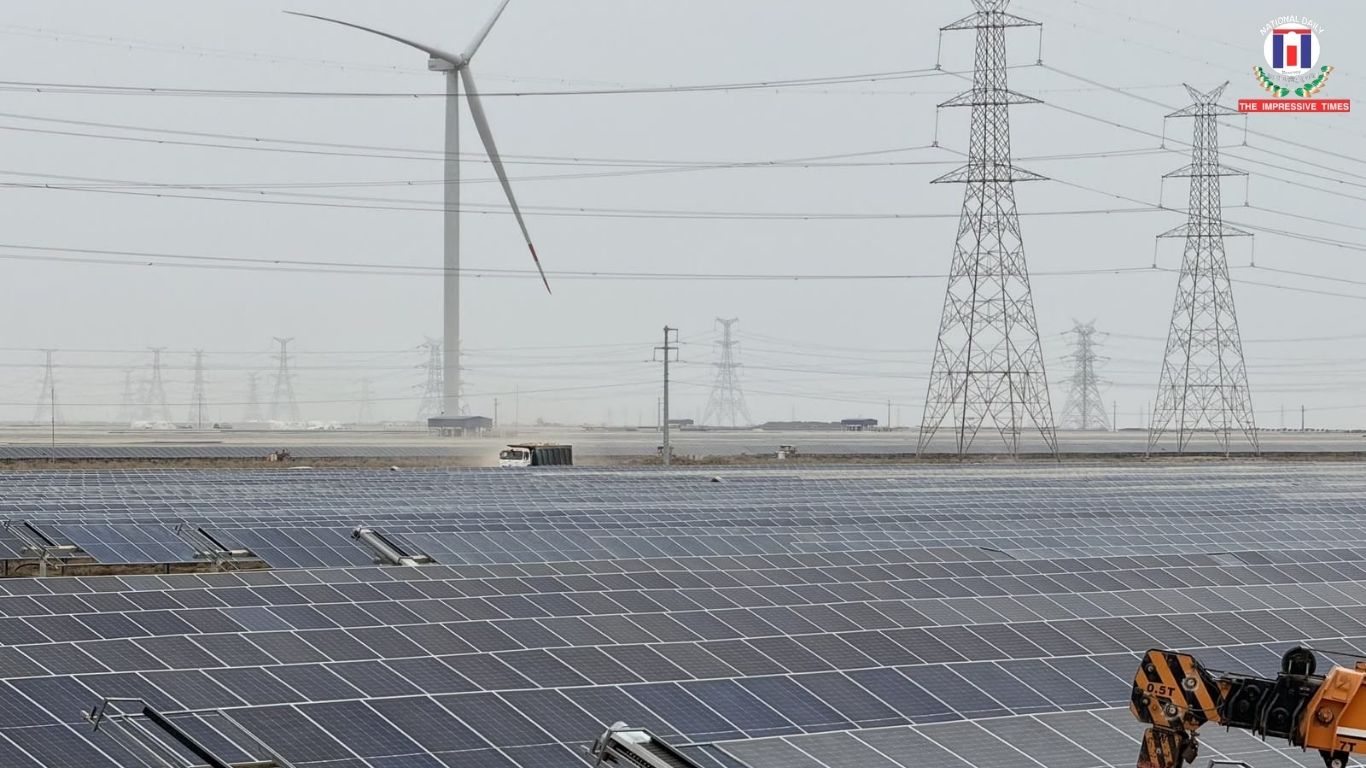
Providing details of the country’s large-scale solar infrastructure, the government said 56 Solar Parks with a combined planned capacity of 39,461 megawatts have been approved across 14 states. Of these, projects generating 18,919 MW have already been commissioned, while work on the remaining capacity is progressing.
The government also highlighted significant progress under the Production Linked Incentive (PLI) Scheme for High Efficiency Solar PV Modules. Letters of Award have been issued for manufacturing facilities capable of producing nearly 48.3 GW of integrated solar photovoltaic modules, including polysilicon, ingots, wafers, cells and modules.
According to the government, manufacturing capacity has expanded substantially, with around 42 GW of solar module production, 11.5 GW of solar cell manufacturing and nearly 2 GW of ingot-wafer manufacturing now operational. This also includes approximately 3.4 GW of fully integrated thin-film solar PV module production.
Officials stated that investments worth nearly ₹73,400 crore have been made under the PLI scheme up to June 30, 2026, strengthening India’s domestic solar manufacturing ecosystem and reducing dependence on imports.
The government further informed Parliament that imports of solar modules have witnessed a steep decline, falling from approximately USD 4.35 billion during FY 2023-24 to nearly USD 994 million in FY 2025-26, indicating growing self-reliance in the sector.
On the residential front, the PM Surya Ghar: Muft Bijli Yojana continues to expand rooftop solar adoption across the country. Since its launch in February 2024, the scheme has enabled 47.26 lakh households to install rooftop solar systems as of July 18, 2026. The programme aims to provide rooftop solar installations to one crore households nationwide while reducing electricity expenses and easing pressure on power distribution networks.
The government also shared the composition of India’s installed solar capacity. Out of the total 162.15 GW, utility-scale solar projects account for 125.60 GW, rooftop installations contribute 30.11 GW and off-grid solar systems add another 6.43 GW. The figures reflect balanced growth across utility, residential and decentralized renewable energy segments, supporting India’s long-term clean energy and energy security goals.

















































No Comments: