Monsoon Session: Centre Responds to Sanjay Bhatia’s Question; Ayushman Bharat Network Continues to Strengthen in Haryan
Parliament Discusses Haryana’s Healthcare System; Centre Shares Detailed Data in Response to Sanjay Bhatia’s Query

 The Impressive Times
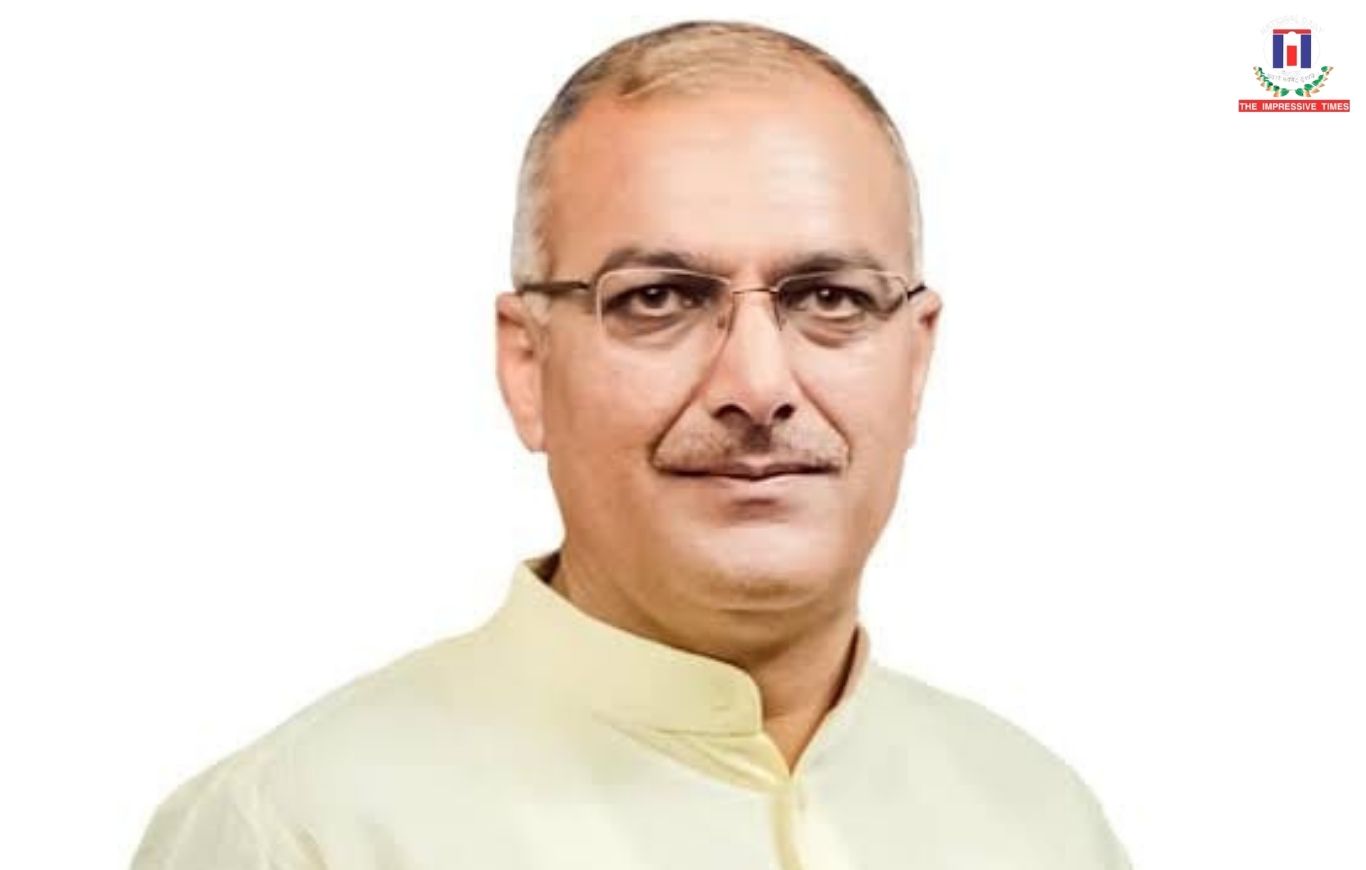
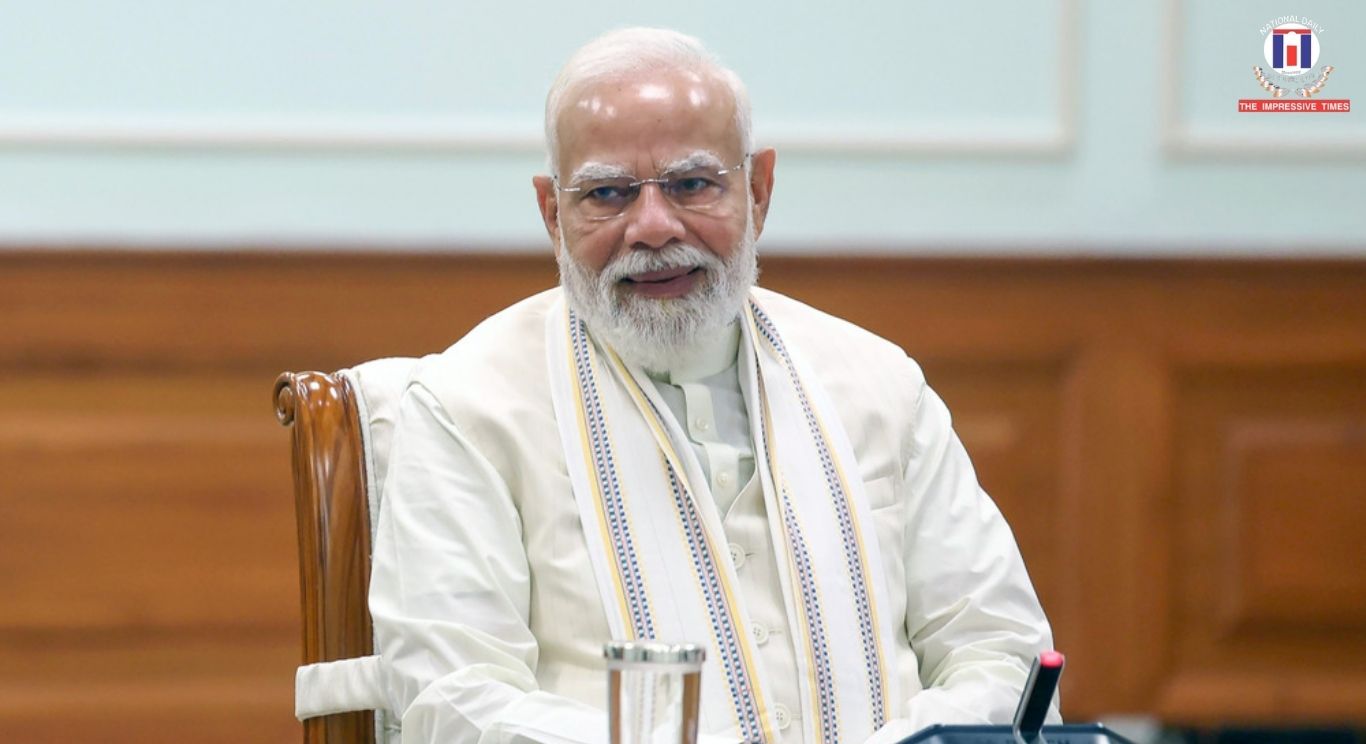
New Delhi/Chandigarh, July 21: Following the NDA Parliamentary Party meeting chaired by Prime Minister Narendra Modi, Rajya Sabha MP Sanjay Bhatia raised an important question on the second day of the Monsoon Session regarding the Ayushman Bharat-Pradhan Mantri Jan Arogya Yojana (AB-PMJAY) and the Ayushman Bharat Digital Mission (ABDM). In its written reply in the Rajya Sabha, the Central Government presented detailed information on the expansion of healthcare services across the country, with a special focus on the progress of the scheme and the digital health infrastructure in Haryana.
The Central Government informed the House that 17.24 lakh families in Haryana are eligible under the Ayushman Bharat-Pradhan Mantri Jan Arogya Yojana. These families are receiving access to quality, cashless healthcare services under the flagship scheme. The Government also placed before Parliament a comprehensive district-wise break-up of eligible families in the State.
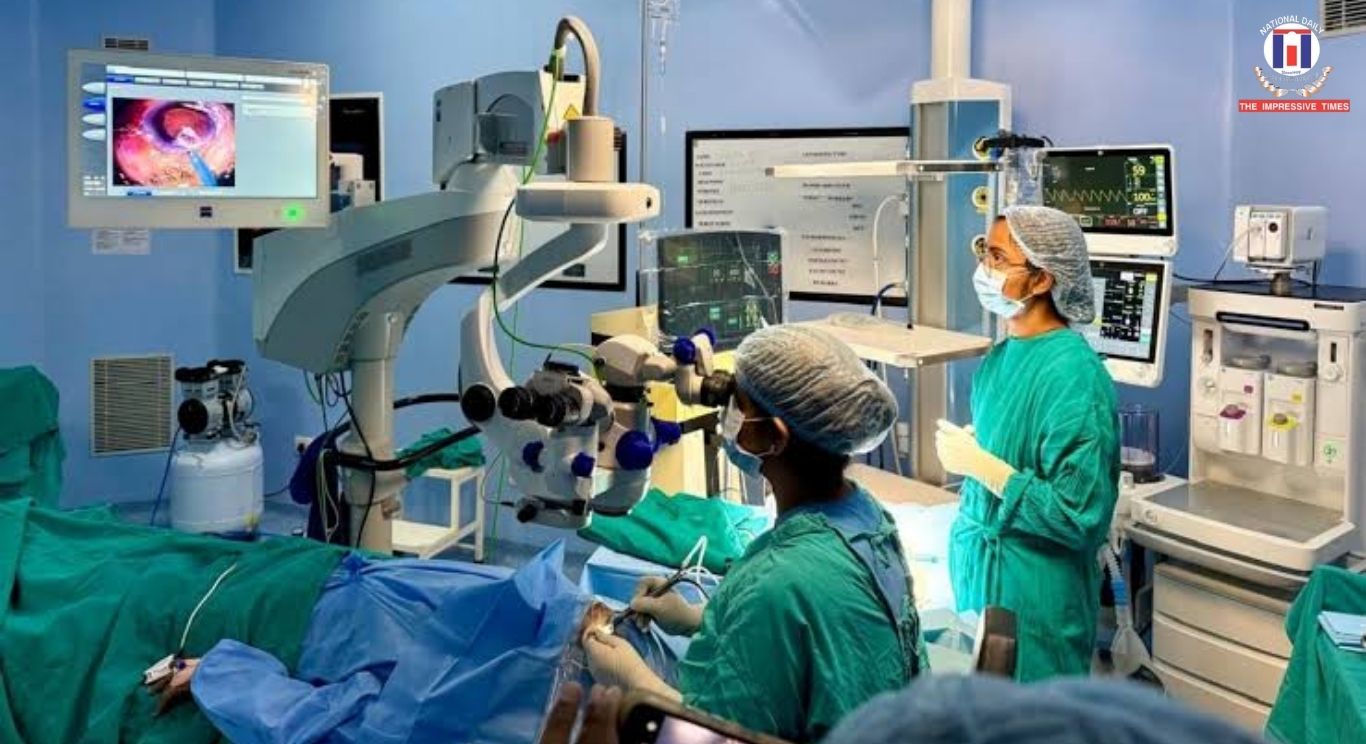
According to the Government, as of 30 June 2026, a total of 1,309 hospitals have been empaneled under AB-PMJAY in Haryana, including 719 private hospitals and 590 government hospitals. In addition, 3,272 Ayushman Arogya Mandirs are operational across the State, playing a crucial role in strengthening primary healthcare services.
Haryana has also recorded significant progress in the field of digital healthcare. The Government stated that as of 16 July 2026, the State had created 1.88 crore Ayushman Bharat Health Accounts (ABHA), while 1.10 crore health records had been linked to these accounts. Furthermore, the Hospital Management Information System (HMIS) has been implemented in 56 major public healthcare facilities and 571 smaller public health centers. The State Government is also actively encouraging private healthcare providers to adopt the ABDM-enabled HMIS through workshops and stakeholder consultations.
Rajya Sabha MP Sanjay Bhatia, who earlier represented Karnal in the Lok Sabha, raised the issue at the national level by seeking details on the actual beneficiaries of the Ayushman Bharat scheme, the expansion of healthcare infrastructure, and the progress of digital health services in Haryana. In response to his question, the Central Government presented a comprehensive picture of the State’s healthcare infrastructure and digital health network before Parliament.
According to the district-wise data tabled in Parliament, Faridabad has the highest number of eligible families under AB-PMJAY with 1,48,909, followed by Karnal (1,27,935), Hisar including Hansi (1,11,866), Yamunanagar (1,04,669), Gurugram (96,456), Jind (91,955), Sirsa (91,873), Sonipat (88,321), Kaithal (87,947), Panipat (83,773), Kurukshetra (77,323), Ambala (73,466), Fatehabad (70,636), Rohtak (69,650), Bhiwani (68,351), Palwal (64,470), Mewat (Nuh) (63,759), Rewari (50,666), Mahendragarh (48,762), Jhajjar (44,931), Panchkula (29,836) and Charkhi Dadri (29,283). Overall, 17.24 lakh families in Haryana fall within the ambit of the Ayushman Bharat-Pradhan Mantri Jan Arogya Yojana.
The issue raised on the second day of the Monsoon Session was not confined to Haryana alone. It also served as a significant parliamentary intervention, enabling the Central Government to place on record its official position on the progress of the Ayushman Bharat Scheme, universal health coverage, and the Ayushman Bharat Digital Mission across the country.






















No Comments: