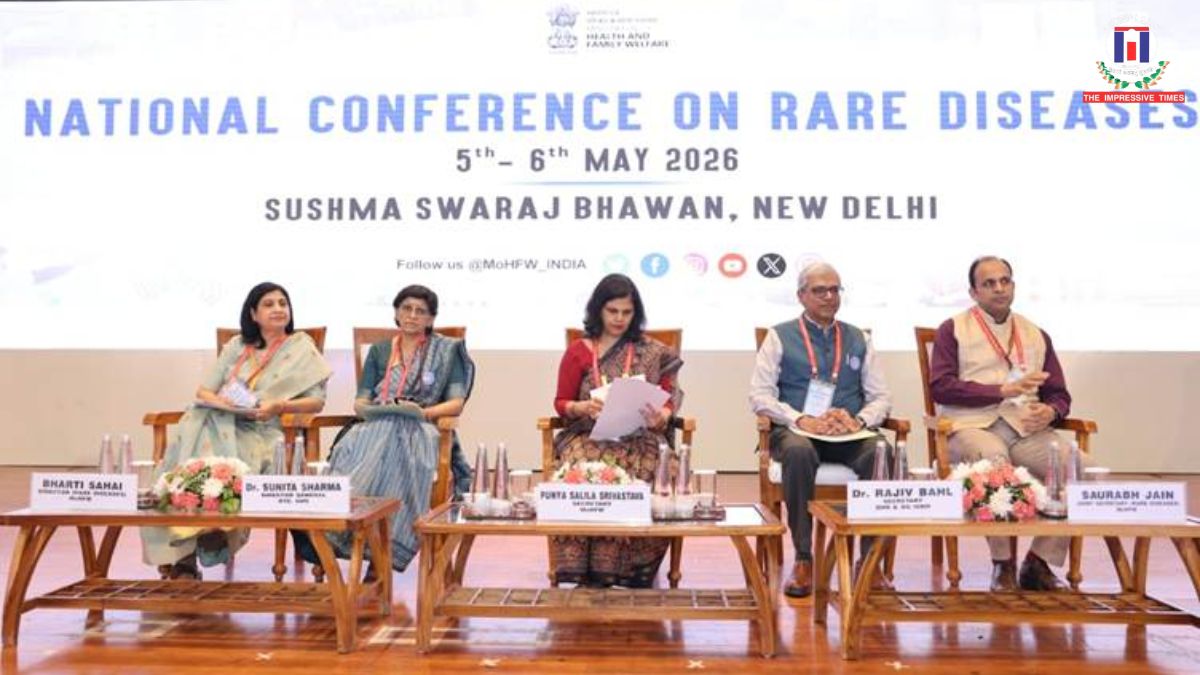
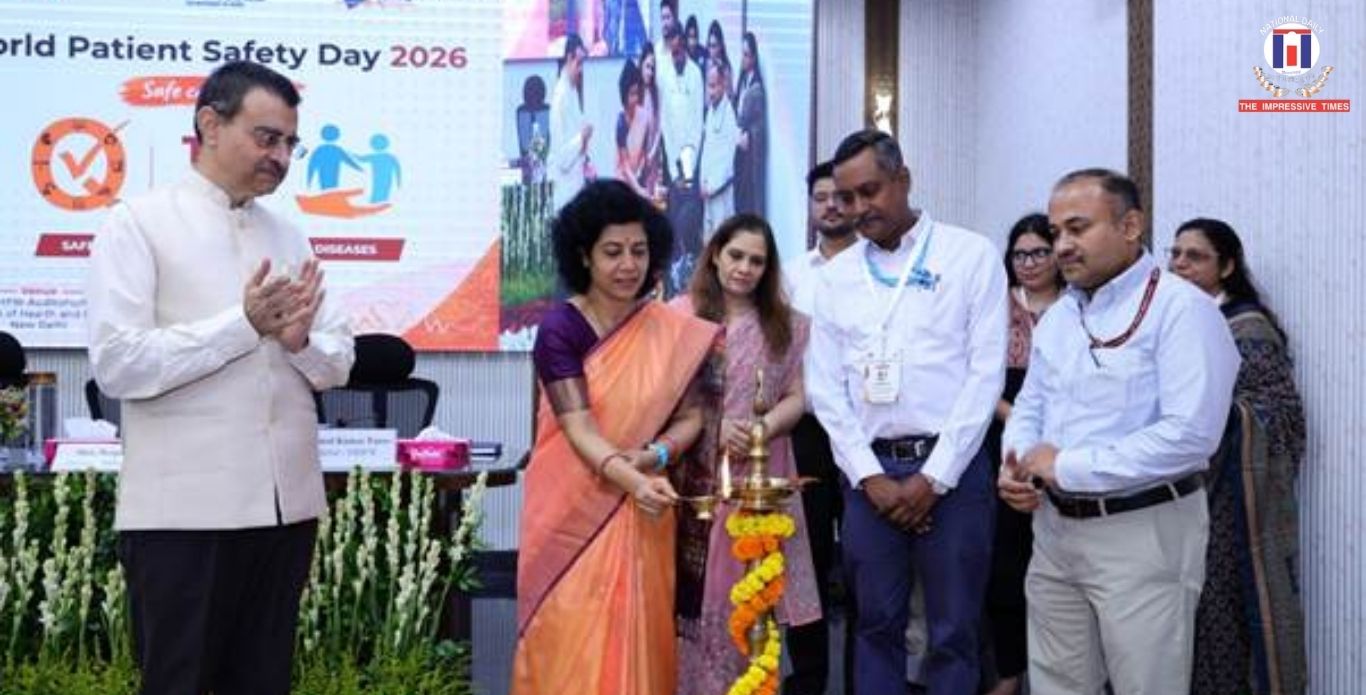
New Delhi, May 5, 2026: The Union Ministry of Health and Family Welfare on Tuesday inaugurated a two day National Conference on Rare Diseases in New Delhi, reinforcing India’s commitment to improving early diagnosis, treatment accessibility, and long term management for patients affected by rare medical conditions.
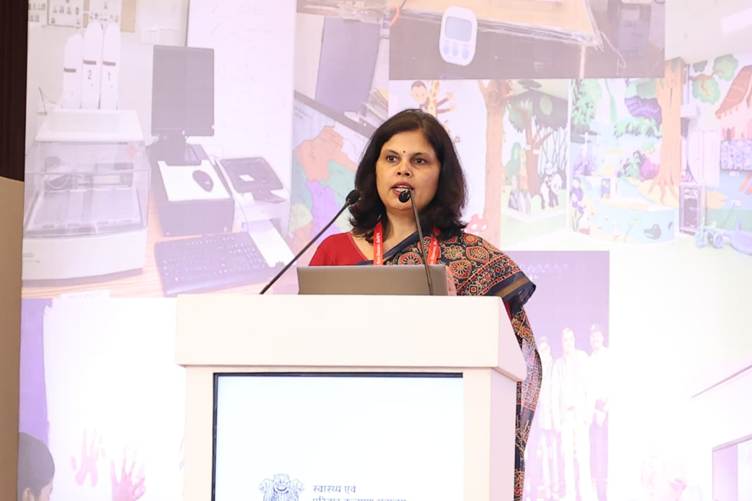
Addressing the conference, Union Health Secretary Punya Salila Srivastava emphasized that the event aims to bring together policymakers, medical experts, researchers, and stakeholders to identify challenges, promote innovation, and develop stronger strategies for rare disease care in India. She highlighted that the National Health Policy 2017 first recognized the urgent need to address rare diseases, leading to the launch of the National Policy for Rare Diseases in 2021.
The Health Secretary noted that India’s rare disease care network has significantly expanded, with Centres of Excellence increasing from eight to fifteen institutions nationwide, including dedicated facilities in the Northeast. Financial support for patients has also been enhanced to ₹50 lakh, providing greater assistance for treatment of identified rare conditions.
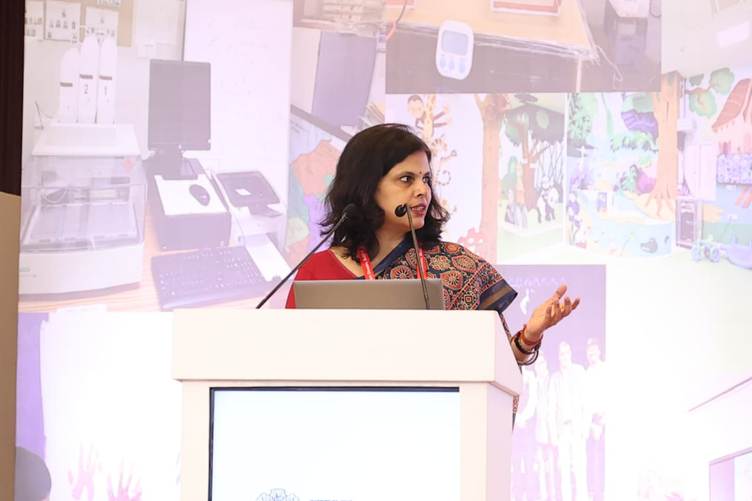
She further pointed out that the government has introduced customs duty exemptions on life saving drugs and therapies, easing financial burdens on families while strengthening treatment accessibility. Awareness campaigns, state level workshops, and district focused capacity building initiatives are also being scaled up to improve diagnosis and prevention.
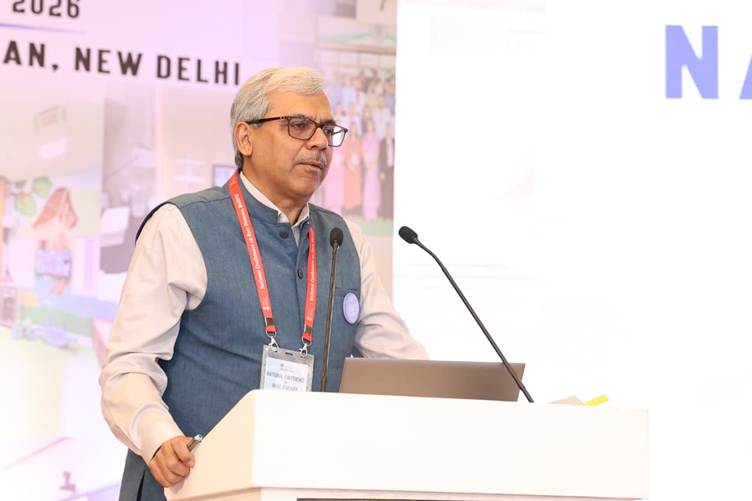
Secretary of the Department of Health Research and Director General of ICMR, Dr. Rajiv Bahl, stressed the need for India to develop a uniquely Indian framework for rare disease diagnosis and care. He advocated for population based preventive strategies, indigenous research, affordable domestic therapies, and expanded use of digital technologies such as artificial intelligence to improve outreach and early detection.
Dr. Bahl also highlighted progress in repurposed drug therapies, indigenous medicine production, and advanced research areas such as gene therapy, noting that India is steadily advancing toward innovative solutions tailored to national healthcare realities.
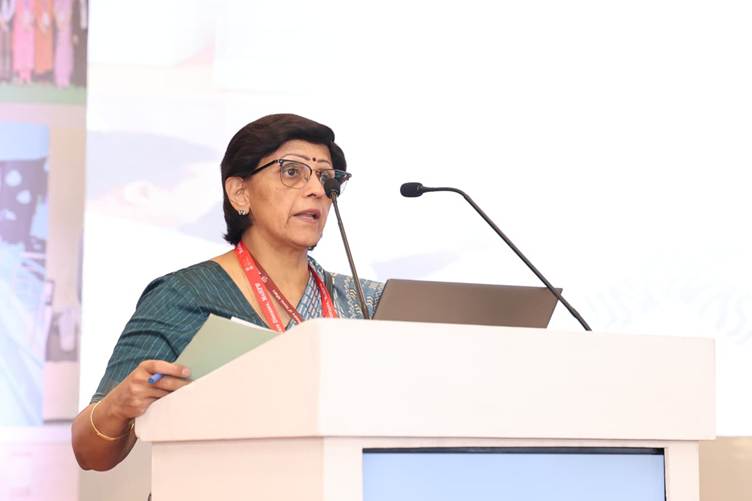
Director General of Health Services Dr. Sunita Sharma underlined the importance of integrating rare disease services across all healthcare levels, improving professional training, and expanding screening networks to ensure comprehensive patient care.
The conference will host technical sessions over two days focusing on genomic medicine, affordable therapies, research collaboration, and patient centric healthcare models. Experts are expected to deliberate on sustainable policy pathways that align with India’s growing healthcare infrastructure.
Rare diseases, though individually uncommon, collectively affect a significant number of patients in India, particularly children, with many cases linked to genetic disorders. Delayed diagnosis, limited awareness, and high treatment costs remain major barriers. Through expanded policy support, financial protection, and innovation driven healthcare strategies, the government aims to build a more equitable and effective rare disease ecosystem.
The Ministry reaffirmed its long term vision of ensuring timely, affordable, and quality healthcare for rare disease patients while fostering collaboration between public institutions, research bodies, and industry to address one of the country’s most complex healthcare challenges.






























No Comments: