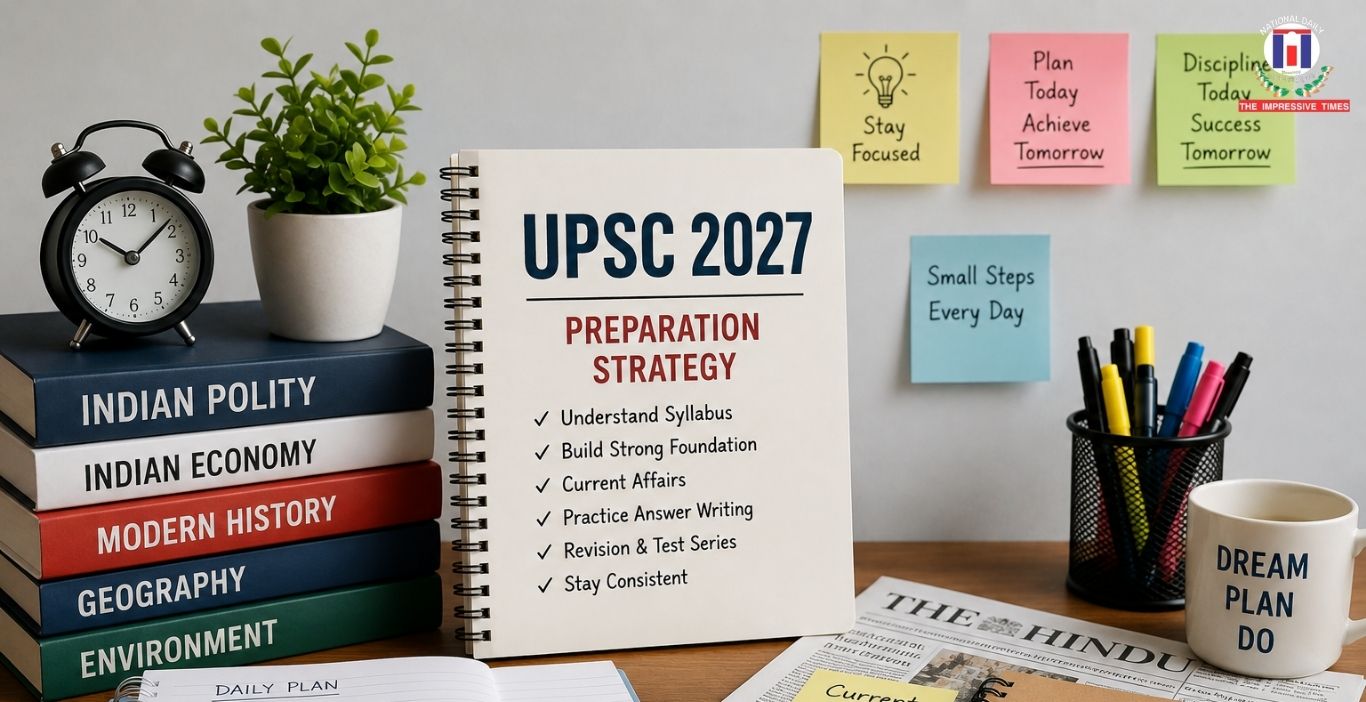
UPSC 2027 Preparation Strategy for Beginners: A Step-by-Step Guide to Crack the Civil Services Exam
From understanding the syllabus to daily study planning, experts share practical tips for aspirants starting their UPSC journey

 The Impressive Times
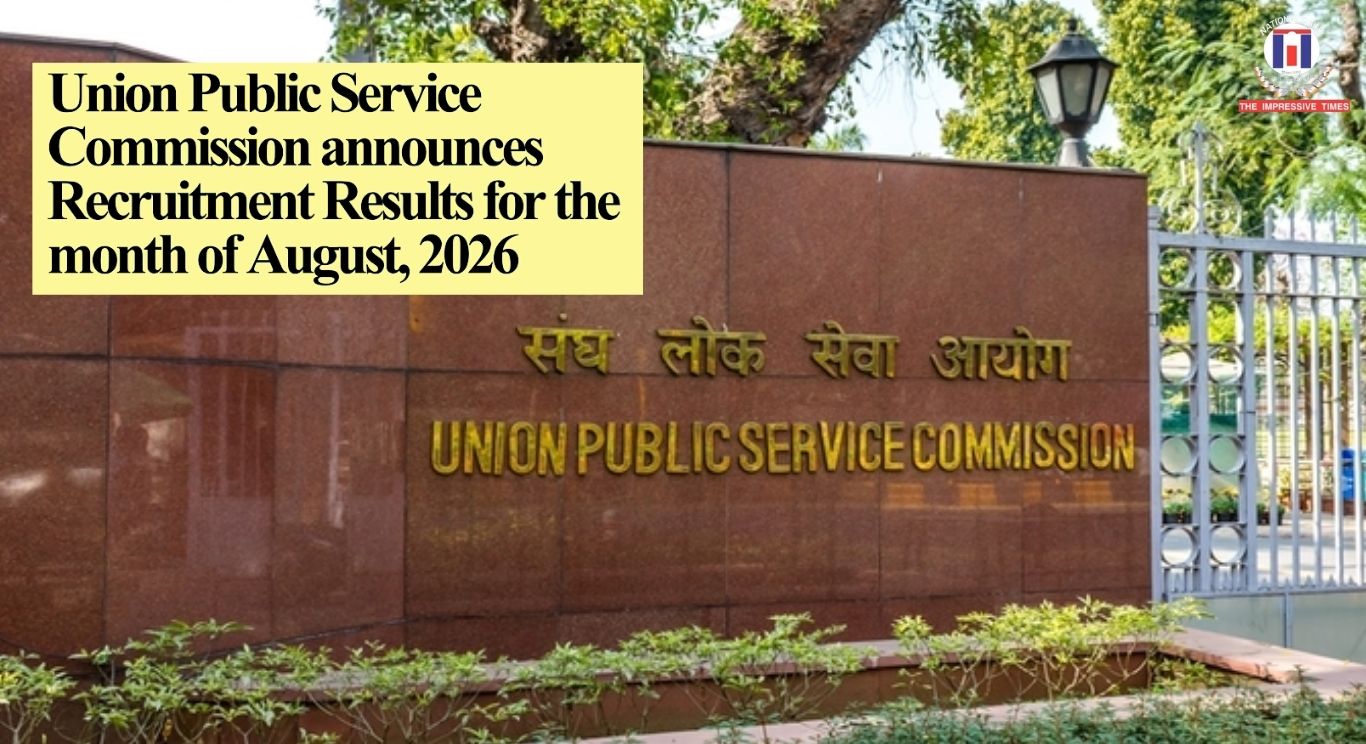
The Union Public Service Commission (UPSC) Civil Services Examination is considered one of India’s most competitive exams, attracting lakhs of aspirants every year. For candidates planning to appear in UPSC CSE 2027, beginning preparation early can provide a significant advantage. A well-structured study plan, consistent revision and disciplined practice are often regarded as the foundation of successful preparation.
Experts suggest that beginners should first understand the exam pattern before purchasing multiple books or joining coaching programmes. The Civil Services Examination consists of three stages—Preliminary Examination, Main Examination and Personality Test (Interview). Each stage requires a different approach and thorough preparation.
The first step is to carefully study the official UPSC syllabus for both the Preliminary and Main examinations. Aspirants should also review previous years’ question papers to understand the nature of questions and identify frequently tested topics.
Subject experts recommend starting with NCERT textbooks from Classes 6 to 12, particularly for History, Geography, Polity, Economics, Science and Environment. These books help develop conceptual clarity before moving to advanced reference materials.
Reading a reputed daily newspaper and following reliable current affairs sources are essential parts of UPSC preparation. Aspirants should focus on national issues, government policies, international developments, economy, science and techngoloy, and environmental topics while avoiding unnecessary political opinions.
A fixed daily timetable helps maintain consistency. Candidates should allocate time for static subjects, current affairs, answer writing and revision. Rather than studying for extremely long hours, experts advise maintaining a sustainable routine that can be followed over several months.
The optional paper in the Main Examination carries significant weight. Aspirants should select a subject based on their interest, educational background, availability of study material and understanding rather than popularity alone.
Mock tests play a crucial role in improving speed, accuracy and time management. Regular practice also helps candidates identify weak areas and become familiar with the examination pattern. Writing descriptive answers is equally important for the Main Examination.
Revision should remain a continuous process throughout preparation. Short notes, mind maps and regular self-assessment can help retain important concepts and improve recall during the examination.
Preparing for UPSC is a long-term journey that demands patience and discipline. Experts recommend maintaining physical fitness, getting adequate sleep and taking short breaks to avoid burnout. Staying focused on long-term goals while following a structured plan can significantly improve an aspirant’s chances of success.
While every candidate’s preparation strategy may differ, consistency, conceptual understanding and regular practice remain the key pillars of effective UPSC preparation. Starting early gives aspirants sufficient time to strengthen their fundamentals and confidently approach all stages of the Civil Services Examination.


































No Comments: