Redevelopment of 1,337 Railway Stations Gains Momentum Under Amrit Bharat Station Scheme
Railway Minister Ashwini Vaishnaw says massive station upgrades are progressing without disrupting train services; 15 stations identified for PPP development


 The Impressive Times
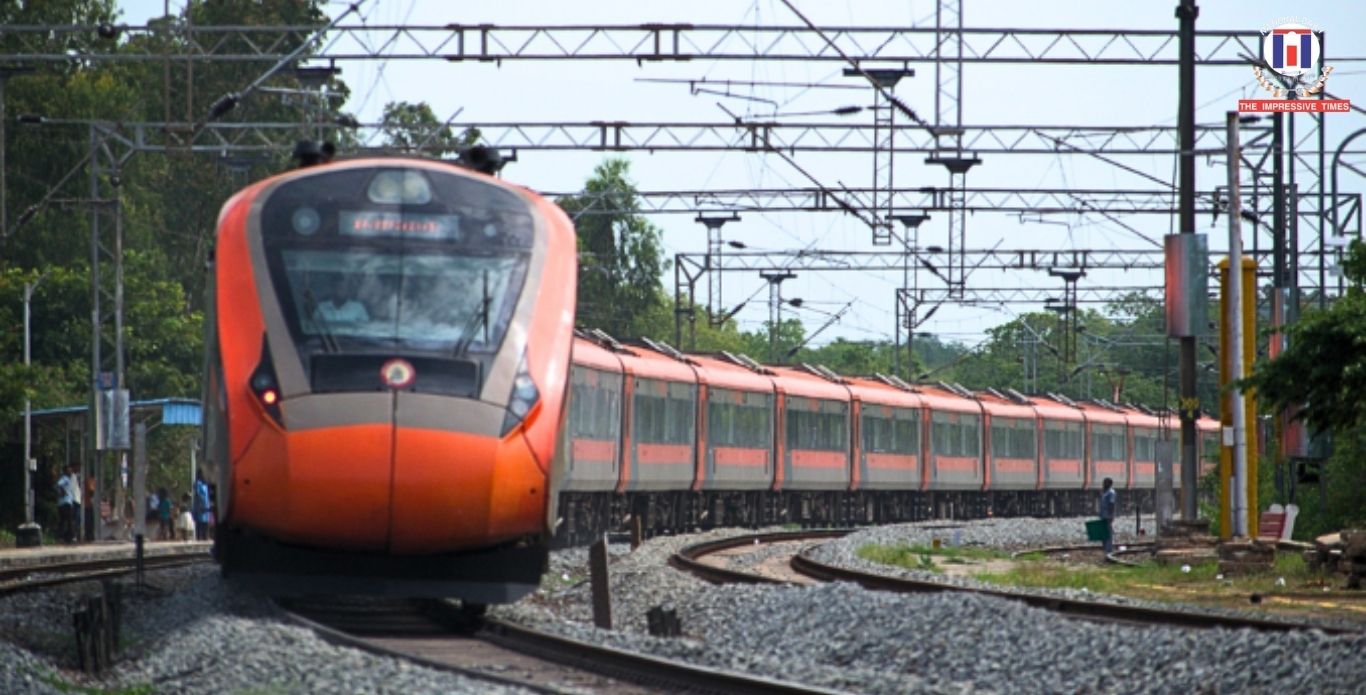
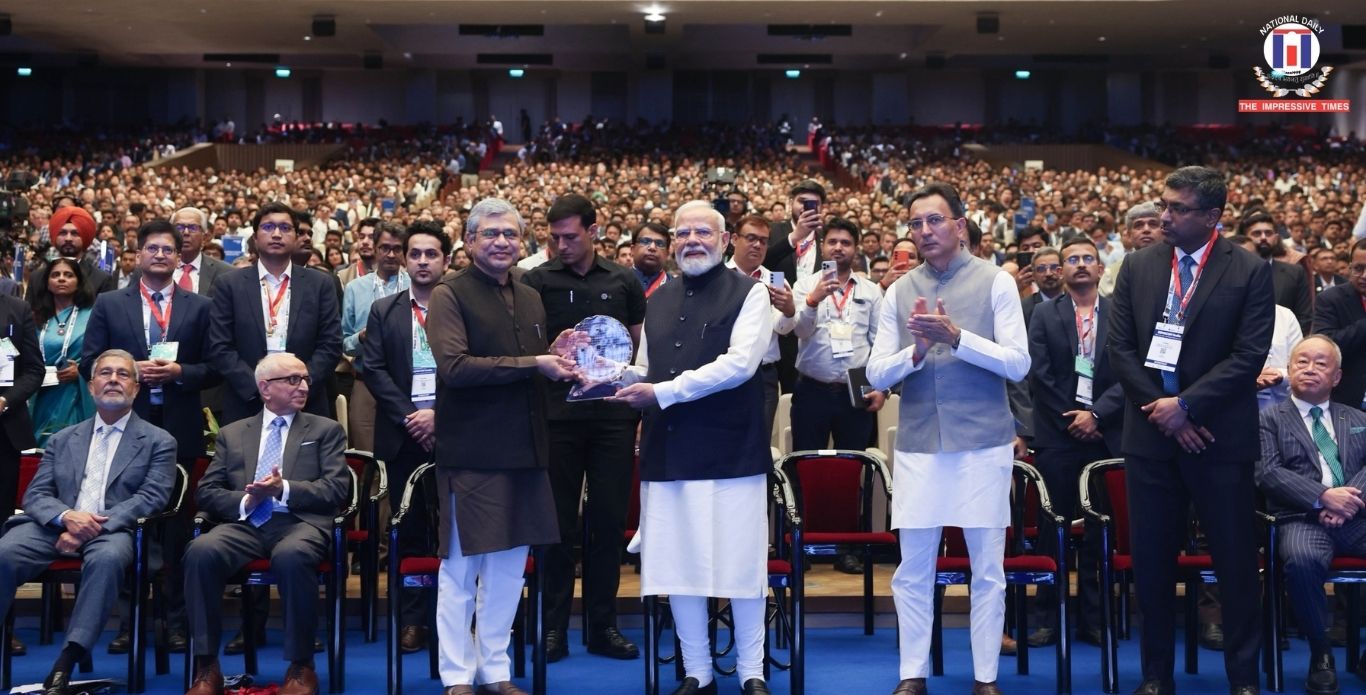
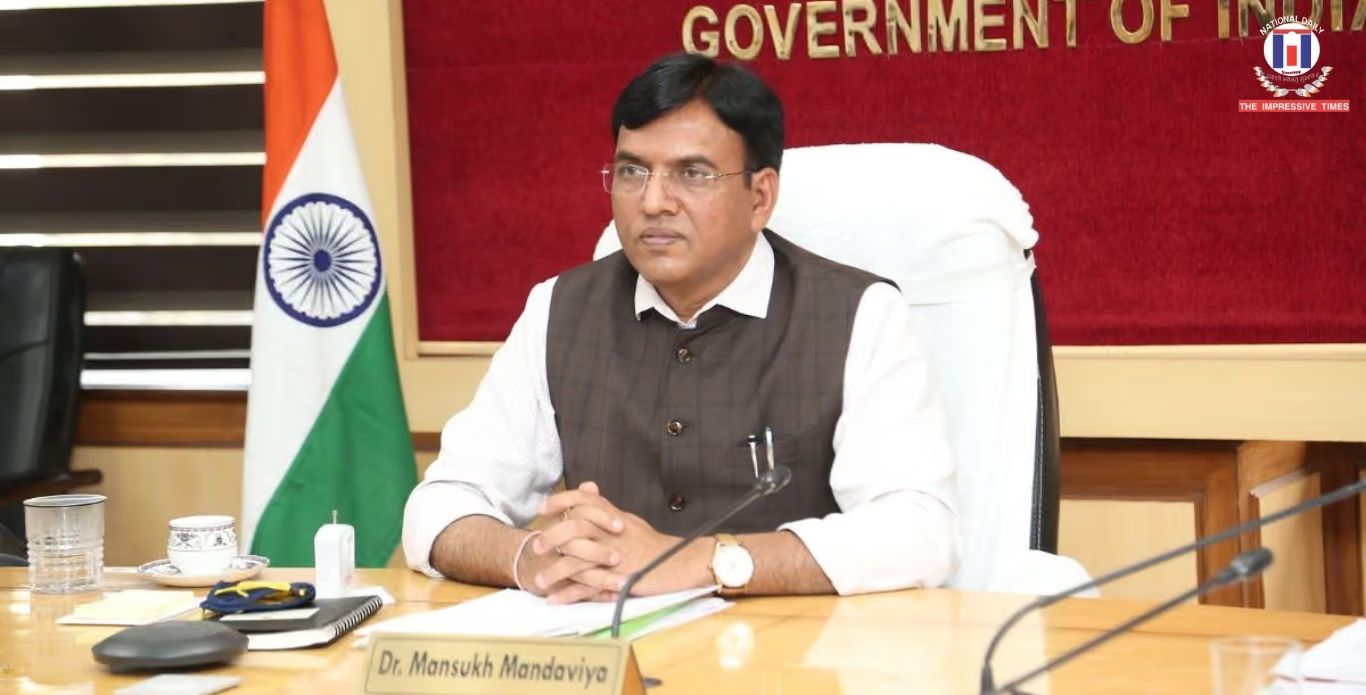
The Government of India’s ambitious plan to modernize the nation’s railway infrastructure received a major boost as redevelopment works under the Amrit Bharat Station Scheme continue to progress at an unprecedented pace. Union Minister for Railways, Information & Broadcasting, and Electronics & Information Technology, Ashwini Vaishnaw, informed the Lok Sabha that 1,337 stations have been identified for development, with work on 155 stations already completed.
Designed with a long-term vision, the Amrit Bharat Station Scheme aims to transform railway stations into modern, commuter-friendly, and future-ready transit hubs. The scheme involves comprehensive master planning and phased execution covering a wide range of upgrades, including improved access, better circulating areas, modernized station buildings, multimodal connectivity, and enhanced passenger amenities.
The redevelopment blueprint includes improved waiting halls, upgraded toilets, expanded seating arrangements, water booths, wider foot overbridges or air concourses, lifts, escalators, and improved platform surfaces. Provisions have also been made for One Station One Product kiosks, better parking facilities, amenities for Divyangjans, executive lounges, dedicated business meeting spaces, and advanced passenger information systems. The scheme also promotes environmentally sustainable solutions and ballastless track systems where feasible.
Minister Vaishnaw emphasized that massive redevelopment activity continues without halting train services, despite significant challenges posed by the brownfield nature of the project. Station areas require careful handling of utilities such as water pipelines, optical fibre cables, gas lines, and high-voltage power infrastructure—all while ensuring the safety of passengers and uninterrupted train movement. Statutory clearances related to fire safety, heritage preservation, tree cutting, and airport zone restrictions further influence timelines.
The stations identified for redevelopment span major cities, key economic centres, and important tourist and pilgrimage destinations. The projects are primarily funded through the Plan Head–53 ‘Customer Amenities’, under which ₹12,118 crore has been allocated for FY 2025–26. An expenditure of ₹7,253 crore has been incurred up to October 2025.
While most projects are supported through budgetary allocations, 15 stations have been identified for exploration under the Public Private Partnership (PPP) model. Experiences gained through these pilot projects will help refine and evolve the scheme further.
Reaffirming the ministry’s commitment, Vaishnaw stated that India’s railway modernization is a continuous process aimed at democratizing technology, overcoming region-specific challenges, and boosting both economic growth and employment opportunities. The redevelopment of stations is prioritized based on category, passenger footfall, and regional requirements.
The Minister reiterated that due to the complexity and scale of the works, no specific completion timeframe can be committed at this stage. However, progress remains robust, with the government determined to preserve heritage assets while building world-class station infrastructure across the country.


































No Comments: