Public Examinations Amendment Bill 2026 Set for Lok Sabha Introduction Today to Tighten Anti-Paper Leak Law

Government proposes fast-track trials, time-bound investigations, stricter penalties and a Special Task Force to strengthen the examination system.
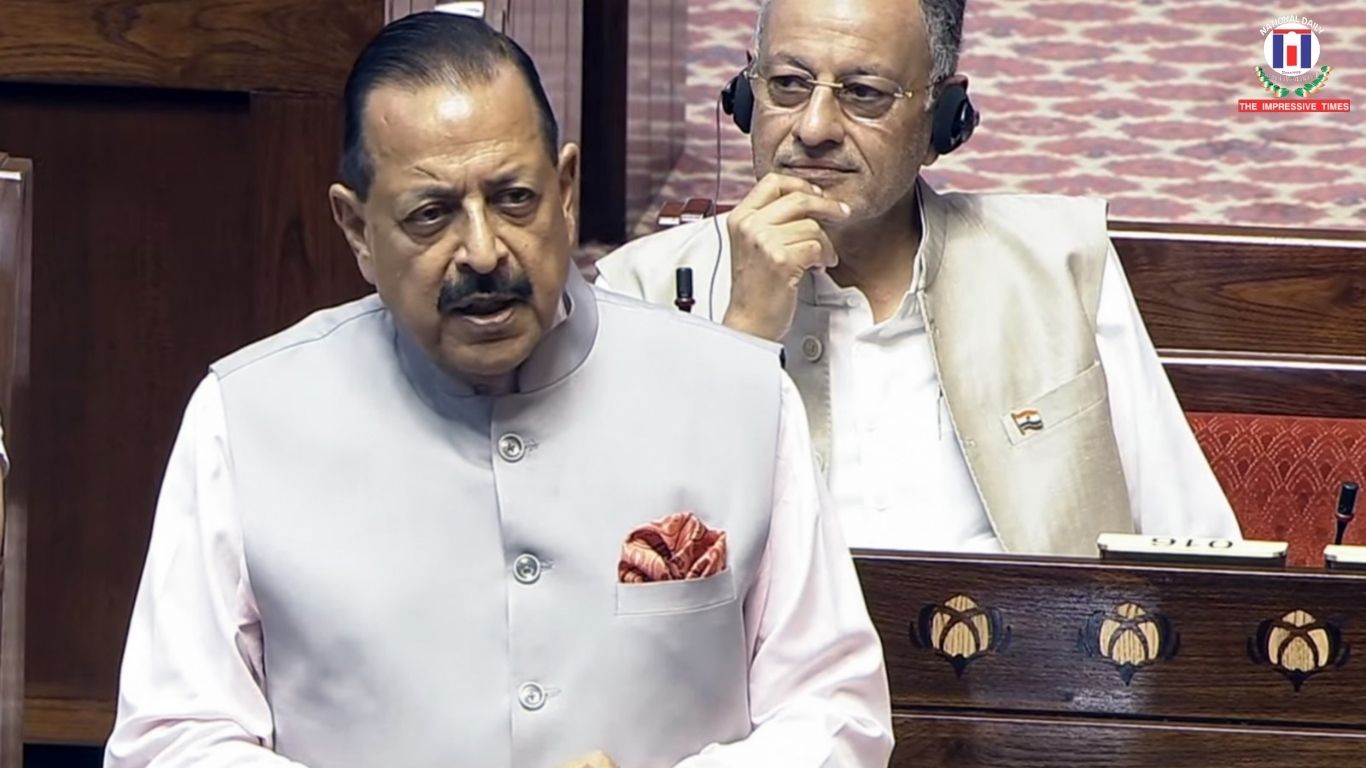
Paper Leak Bill introduced in Lok Sabha

New Delhi, July 27, 2026:

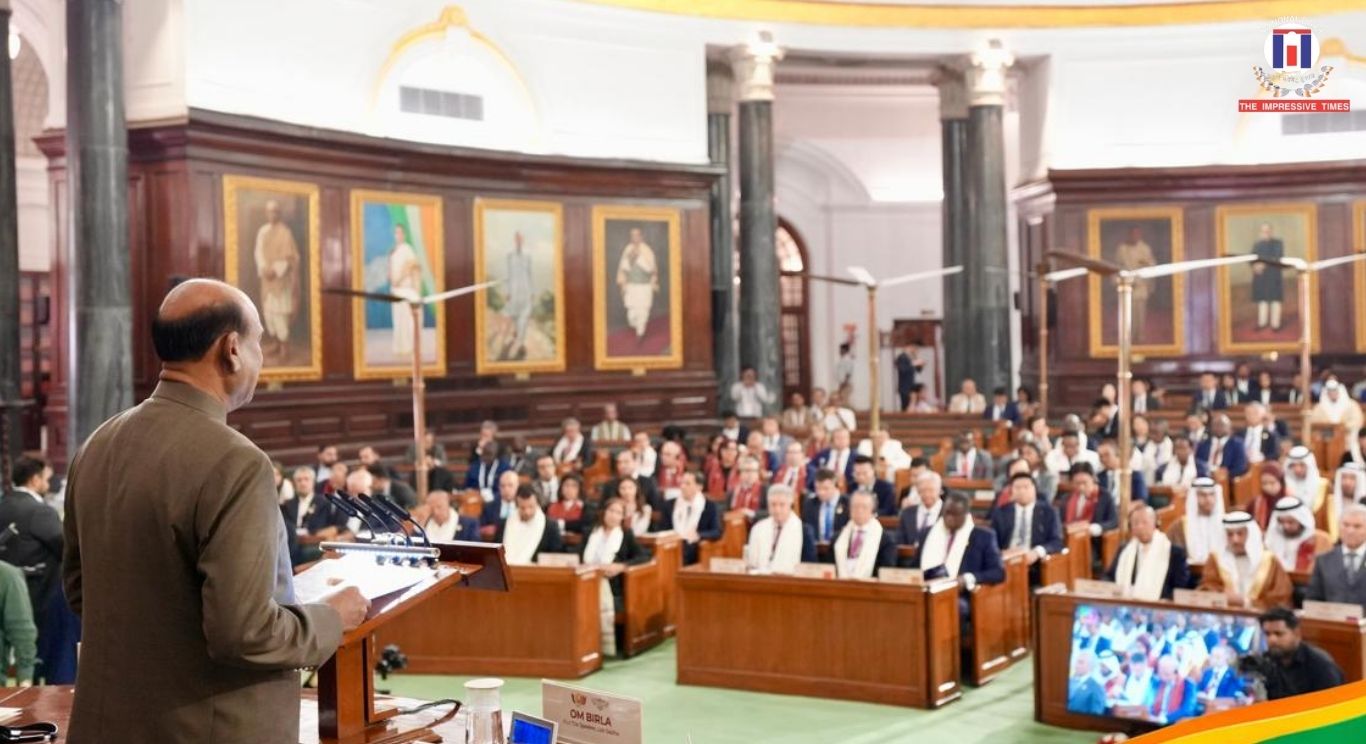
The Paper Leak Bill was introduced in the Lok Sabha on Monday to strengthen India’s legal framework against examination fraud through faster investigations, stricter punishments and special fast-track courts.

Minister of State for Personnel, Public Grievances and Pensions, Dr. Jitendra Singh, will introduce the legislation in the Lower House. The Business Advisory Committee has reportedly allocated around four hours for discussion on the proposed amendments.

The ruling National Democratic Alliance (NDA) has entrusted several young parliamentarians with presenting its views during the debate. BJP MPs Bansuri Swaraj and Tejasvi Surya are expected to participate, along with leaders from alliance partners, including JDU’s Alok Kumar Suman, TDP’s Lavu Sri Krishna Devarayalu, Shiv Sena’s Shrikant Shinde, NCP’s Sunil Tatkare, Apna Dal’s Anupriya Patel, LJP (Ram Vilas)’ Arun Bharti, besides Sharmila Sarkar and Mitali Bagh.

The amendment Bill seeks to make the existing anti-paper leak law more effective by introducing a stricter enforcement mechanism and ensuring quicker disposal of examination malpractice cases. One of its key provisions allows state governments and Union Territory administrations to designate Courts of Session as Special Fast Track Courts for offences under the Act.

The proposed law also lays down fixed timelines for handling such cases. Investigating agencies would be required to complete probes within two months, while Special Fast Track Courts would be expected to conclude trials within three months of the filing of the chargesheet through day-to-day hearings.

To improve coordination in complex cases, the Centre has proposed the creation of a Special Task Force that can investigate serious or multi-state examination fraud whenever necessary. States and Union Territories would also be empowered to appoint Special Public Prosecutors for handling cases under the legislation.

The amendment further proposes stronger punishments by increasing both imprisonment terms and monetary fines for those involved in organised paper leaks, including individuals, institutions, coaching centres and service providers found guilty of facilitating such offences.

An appellate mechanism has also been included, allowing appeals against judgments or sentences to be heard by a Division Bench of the respective High Court, with an objective of disposing of such appeals within three months of their admission.

The legislative move follows widespread concern over alleged examination irregularities, including the NEET-UG controversy, which triggered demands for stronger safeguards and greater accountability in public examinations across the country.

The Union Cabinet had recently approved the proposed amendments, paving the way for their introduction in Parliament. Prime Minister Narendra Modi has also announced the formation of a high-powered task force to recommend long-term reforms aimed at making India’s examination system more transparent, technology-driven and trustworthy.

If enacted, the Public Examinations Amendment Bill, 2026, is expected to significantly strengthen the country’s anti-paper leak framework while improving the speed of investigations, prosecution and judicial proceedings related to examination fraud.

No Comments:

Leave a Reply

Your email address will not be published. Required fields are marked *

National News

Education

More News