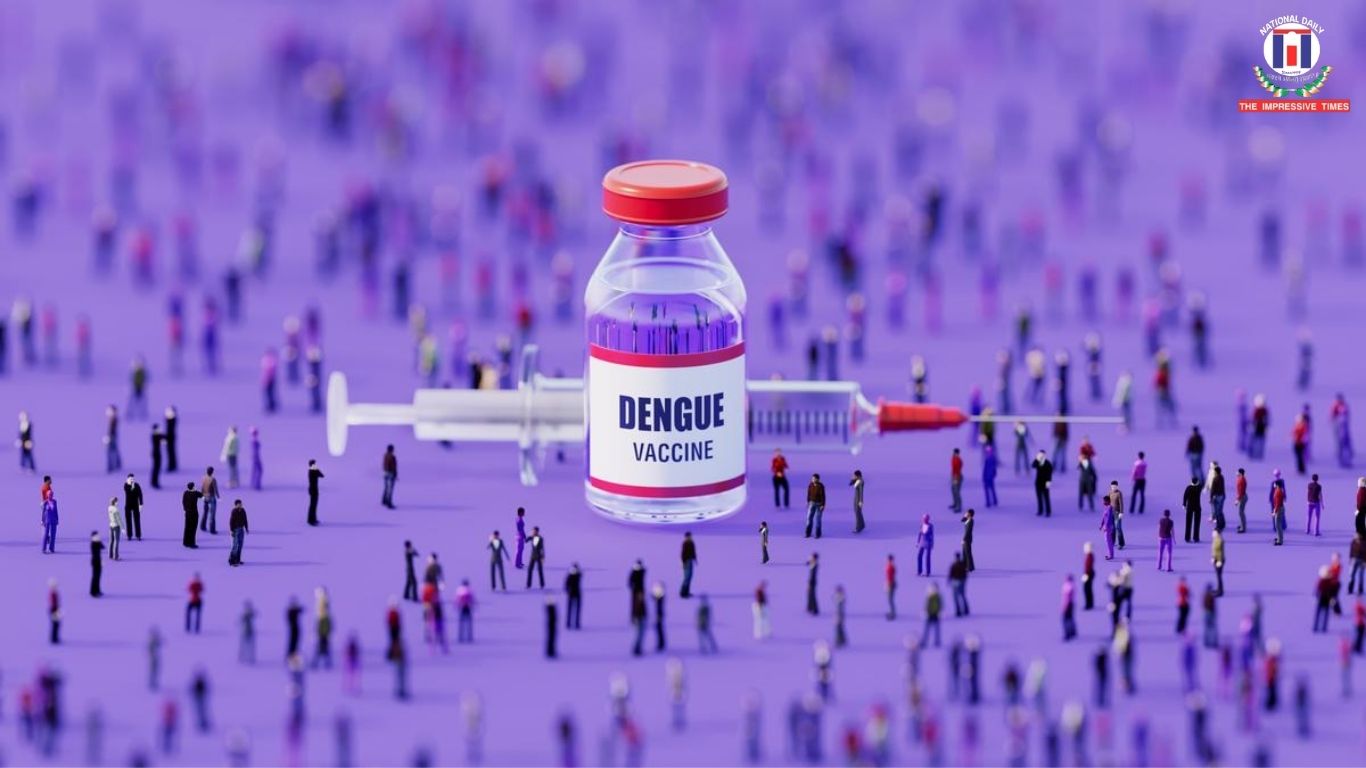
India has introduced its first dengue vaccine, Qdenga, marking an important step in the country’s efforts to reduce the burden of one of the most widespread mosquito-borne diseases. While the vaccine is expected to strengthen dengue prevention, medical experts have cautioned that its use should be guided by careful clinical evaluation.
According to specialists, the vaccine may not provide the same level of protection for every individual. Particular concern has been raised for children and others who have never been infected with the dengue virus, as vaccination in such cases may influence the body’s immune response differently than in those with prior exposure.
Researchers explain that in people without a previous dengue infection, the vaccine can trigger an immune reaction similar to an initial natural infection. This may offer protection against certain dengue virus strains, including DENV-1 and DENV-2, but may not provide adequate immunity against DENV-3, potentially increasing the risk of severe illness if that strain is encountered later.
Health experts have therefore emphasized that vaccination strategies should consider an individual’s infection history and follow recommendations issued by public health authorities. They also noted that continued mosquito control measures, early diagnosis and timely medical treatment remain essential components of dengue prevention.
The introduction of Qdenga is viewed as a significant milestone in India’s public health landscape, but experts stress that its rollout should be supported by scientific evidence, proper monitoring and clear vaccination guidelines to ensure maximum safety and effectiveness.
No Comments: