Dr. Jitendra Singh Inaugurates 3-Day Medical Workshop on AI-Driven Multi-Omics Data Analysis
India Develops First Indigenous Antibiotic ‘Nafithromycin’; Highlights Innovation Ecosystem and AI in Healthcare


 The Impressive Times
New Delhi , 18 October 2025- India has achieved a major milestone in pharmaceutical research with the development of its first indigenously discovered antibiotic, Nafithromycin, designed to combat resistant respiratory infections. The antibiotic, particularly beneficial for cancer patients and those with poorly controlled diabetes, has been conceptualized, developed, and clinically validated entirely within India.
The breakthrough is the result of collaboration between the Department of Biotechnology (DBT), Government of India, and private pharmaceutical company Wockhardt. Union Minister of State for Science & Technology, Dr. Jitendra Singh, described the development as a prime example of successful industry-academia partnership, emphasizing the importance of building a self-sustainable innovation ecosystem that reduces dependence on government funding and encourages private sector participation and philanthropic support.
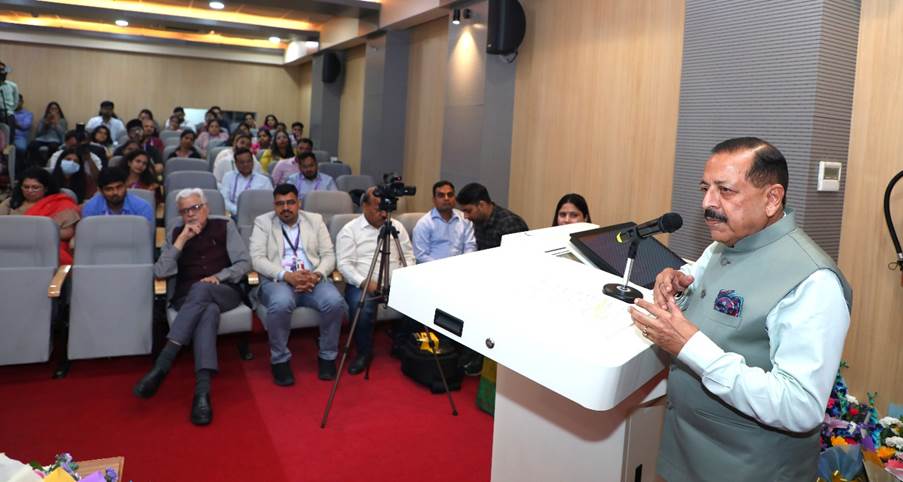
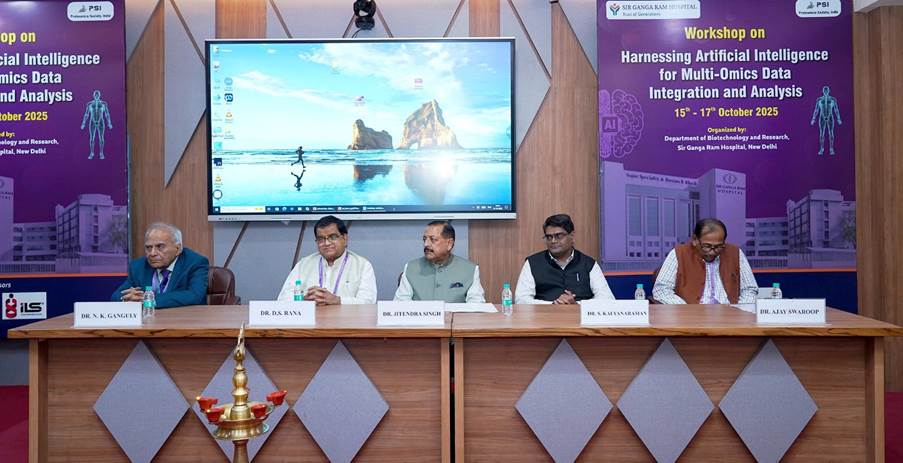
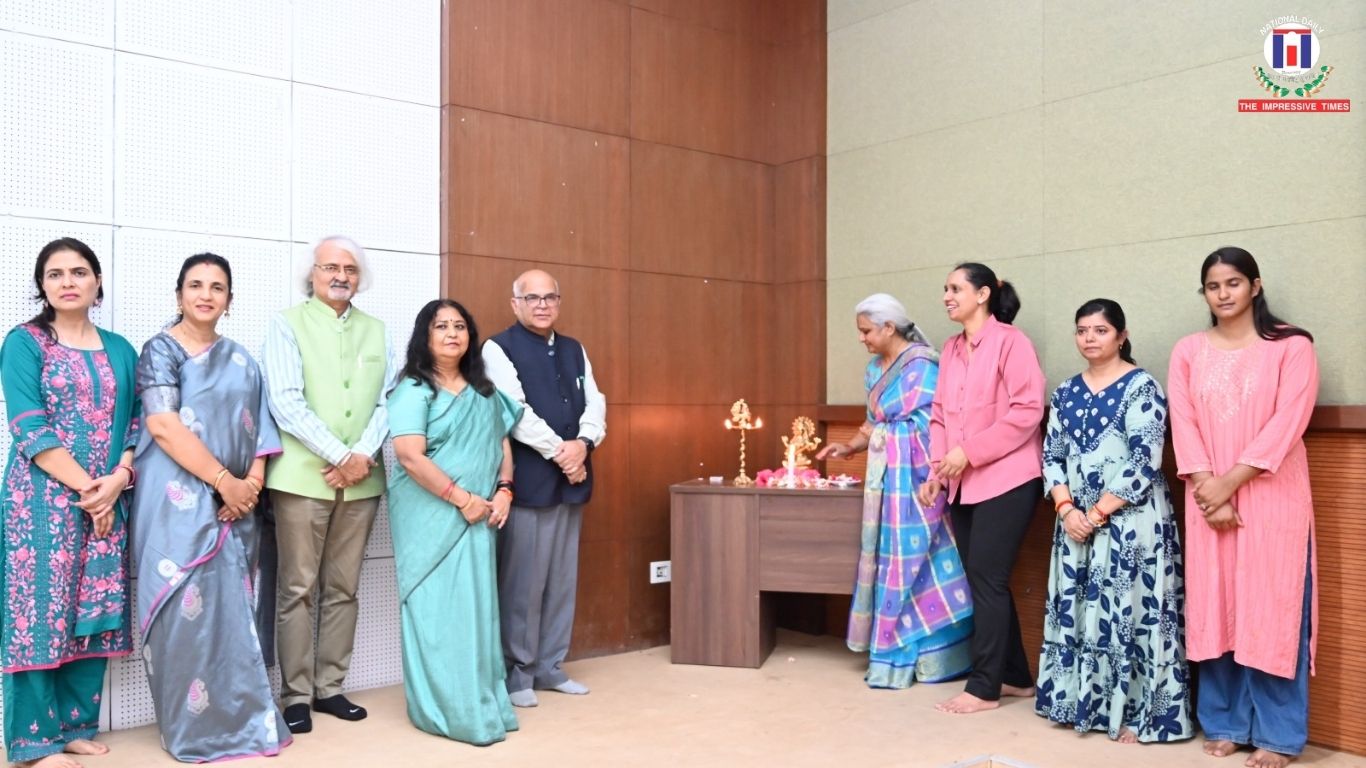
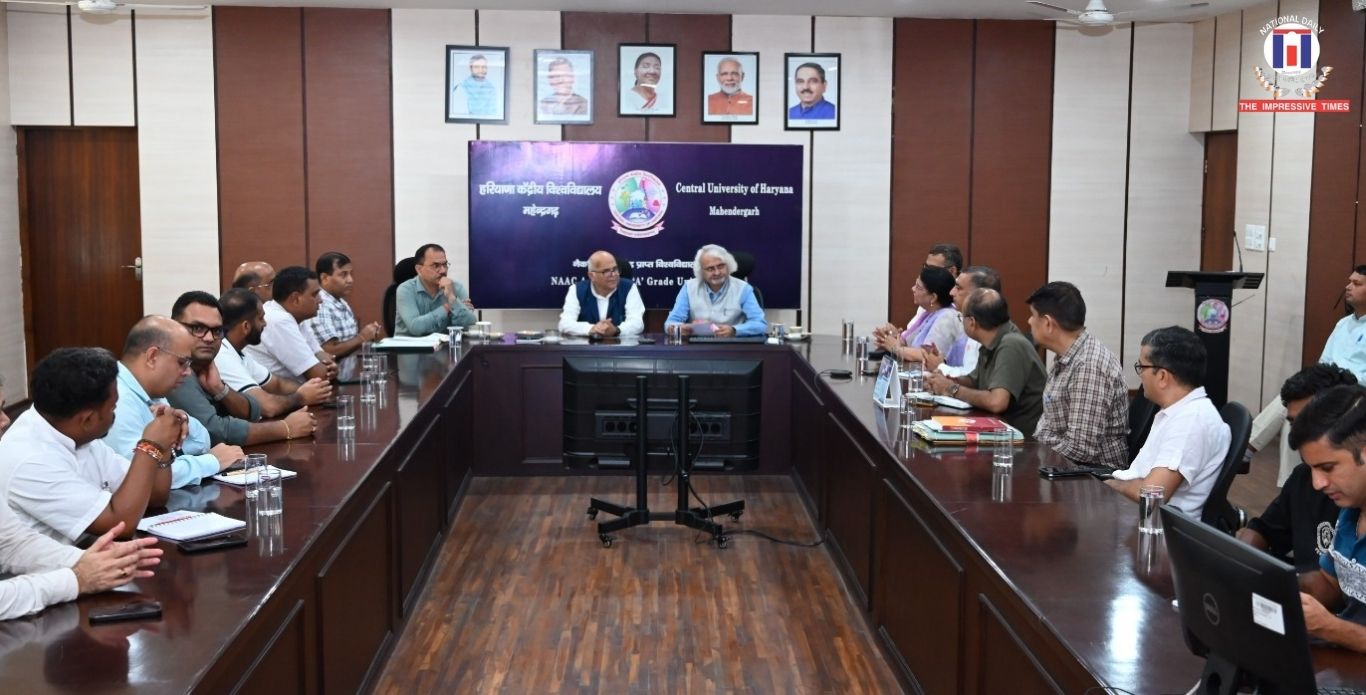
Dr. Singh inaugurated a three-day Medical Workshop on “Harnessing Artificial Intelligence for Multi-Omics Data Integration and Analysis”, highlighting the transformative potential of AI in healthcare and governance. He underscored the need for India to adopt a self-sustaining model for research and innovation, citing that nations recognized globally for scientific excellence thrive through extensive engagement of the private sector alongside government initiatives.
Another major achievement announced at the workshop is India’s first indigenous clinical trial for Hemophilia treatment, conducted at Christian Medical College, Vellore in collaboration with DBT. The trial achieved a 60–70% correction rate with zero bleeding episodes, marking a significant milestone in gene therapy research. These findings have been published in the New England Journal of Medicine, underlining India’s growing leadership in advanced biomedical innovation.
Dr. Singh also noted India’s progress in genomic research, with over 10,000 human genomes sequenced and plans to scale up to one million. He highlighted the Anusandhan National Research Foundation (ANRF), which aims to invest ₹50,000 crore over five years—₹36,000 crore from non-government sources—signaling a paradigm shift toward a globally aligned, innovation-driven research ecosystem.
The Minister stressed the role of Artificial Intelligence in transforming healthcare delivery, governance, and decision-making. AI-based hybrid mobile clinics are serving rural regions, and AI-driven grievance redressal systems have achieved a weekly disposal rate of 97–98%, improving citizen services significantly.
Dr. Singh lauded interdisciplinary approaches at institutions like Sir Ganga Ram Hospital, integrating AI, biotechnology, and genomics to enhance patient outcomes. He encouraged increased collaboration between government departments, private hospitals, and research institutes to achieve the vision of Viksit Bharat @2047.
The event was attended by prominent figures including Dr. Shiv Kumar Kalyanaraman, CEO of ANRF; Dr. N.K. Ganguly; Dr. D.S. Rana; and Dr. Ajay Swaroop, reflecting a strong commitment to advancing India’s leadership in biotechnology, AI, and genomic medicine.



























No Comments: