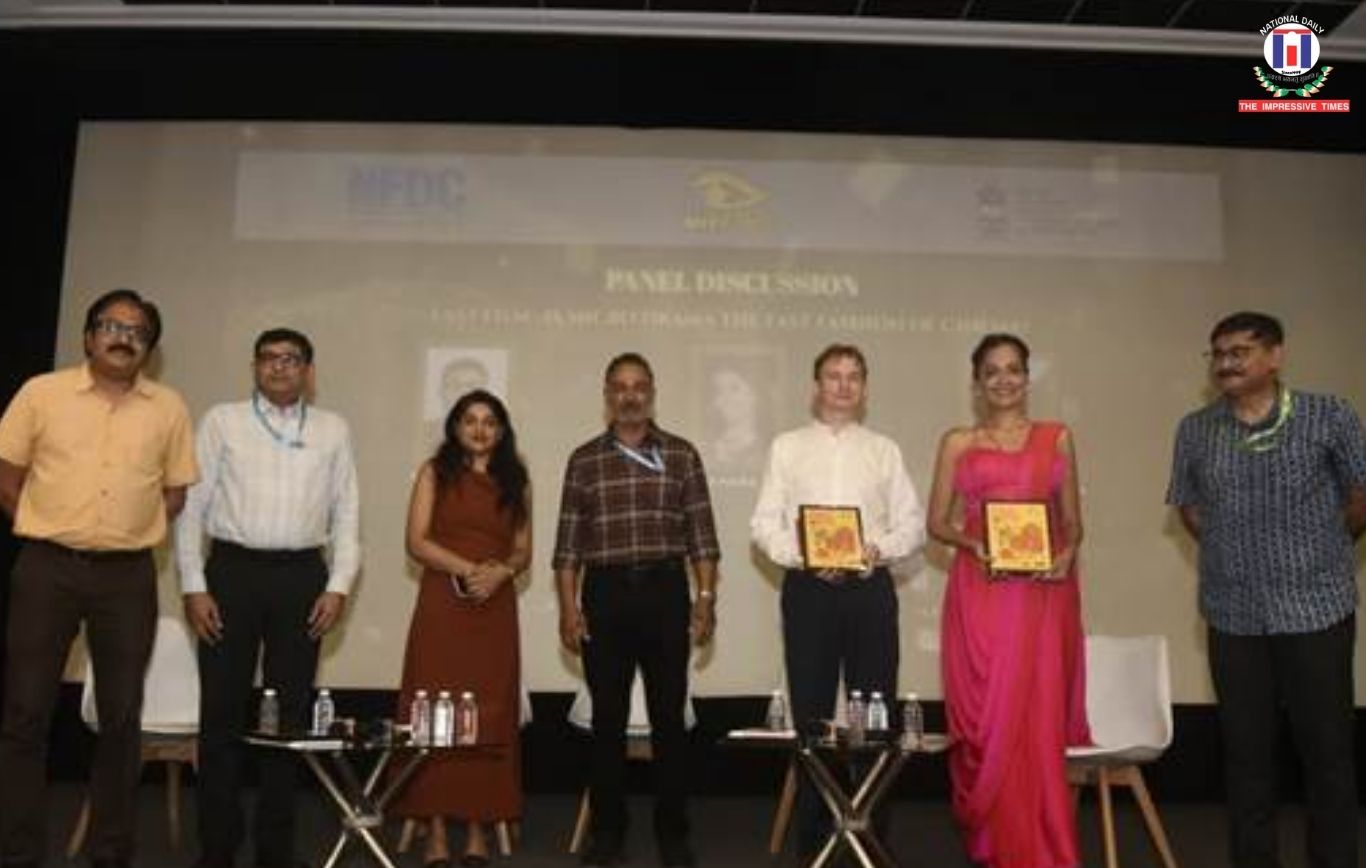
Mumbai, June 16: Micro drama is not the “fast fashion” of cinema but an evolving form of storytelling shaped by changing audience behaviour, digital platforms and technological transformation, industry experts said during a panel discussion at the 19th Mumbai International Film Festival (MIFF).
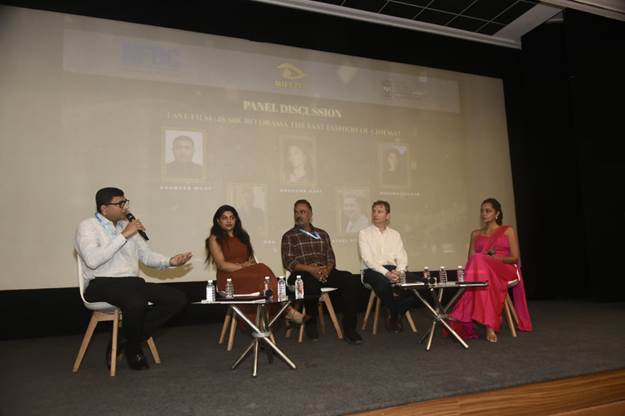
The session titled “Fast Film: Is Micro Drama the Fast Fashion of Cinema?” brought together filmmakers, producers and actors to examine the growing influence of short-format narratives and their place in the future of entertainment. The discussion was moderated by actor Sheena Chauhan and featured filmmaker-producer Sameer Mody, actor Archana Kavi, actor Ujjawal Kumar and filmmaker Rafael Stemplewski.
MIFF Festival Director Prakash Magdum welcomed the speakers and highlighted the importance of understanding new storytelling formats emerging in response to rapid changes in the media and entertainment landscape.
The panellists observed that micro drama has developed as a natural progression of storytelling rather than a replacement for traditional cinema. With audiences increasingly consuming content through mobile phones and digital platforms, creators are exploring shorter formats while continuing to focus on strong narratives, emotional depth and meaningful performances.
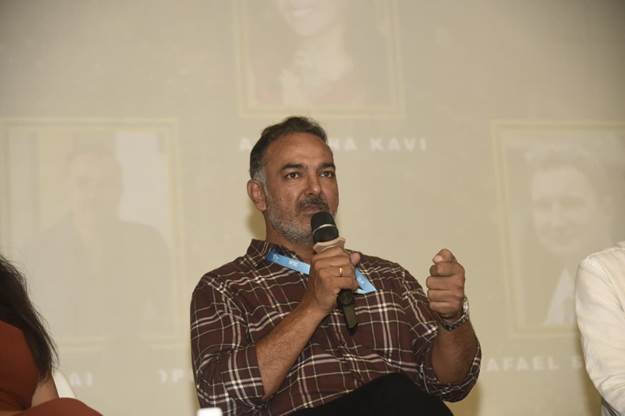
Sameer Mody explained that the popularity of micro drama increased significantly during the COVID-19 period when viewing habits shifted towards mobile-based entertainment. According to him, the format requires a different approach where writers, actors and editors must create impact within a limited timeframe.
He stressed that shorter duration does not mean reduced creativity or quality. Instead, micro drama demands greater precision, as every scene, dialogue and performance must contribute effectively to the story. He said the format should be recognised as an independent storytelling medium rather than being dismissed as temporary digital content.
Actor Archana Kavi said that every major technological change has historically influenced the way stories are created and consumed. From the rise of television to digital streaming platforms, each era has introduced new opportunities for creators.
She pointed out that one of the biggest challenges in micro drama is capturing audience attention immediately. The format requires creators to establish characters, emotions and conflicts quickly while maintaining authenticity and engagement.
Actor Ujjawal Kumar highlighted that emotions remain the heart of every story, regardless of the length or platform. He said performers must adapt to new formats by developing the ability to communicate powerful emotions in a shorter span of time.
He added that the widespread availability of smartphones has opened new possibilities for actors, writers and filmmakers by allowing stories to reach audiences beyond traditional cinema halls.
Filmmaker Rafael Stemplewski described micro drama as both a challenge and an opportunity for the creative community. He said that while the format changes the way stories are presented, the foundation of cinema remains unchanged — strong characters, human emotions and compelling narratives.
He emphasised that micro drama represents another stage in the evolution of cinematic language, where creators experiment with structure and presentation while continuing to focus on meaningful storytelling.
The discussion concluded with a shared view that micro drama should not be seen as a threat to traditional filmmaking. Instead, it complements existing formats and reflects the changing relationship between audiences and stories.
The speakers agreed that the future of entertainment will likely include multiple formats, with long-form films, series and short digital narratives existing together. The success of any format, they noted, will ultimately depend on creativity, originality and the ability to connect with viewers.
The panel was followed by an interactive question-and-answer session, where participants discussed the opportunities and challenges created by emerging digital storytelling trends.
The 19th MIFF continues to showcase the changing landscape of cinema through documentaries, short fiction films, animation and industry-focused programmes. The festival has received 1,459 entries from 47 countries for its competitive section and features films across more than 42 Indian languages and over 30 international languages.
Alongside screenings, the festival includes the second edition of Doc Bazaar, masterclasses and creative forums aimed at encouraging dialogue among filmmakers, students and cinema enthusiasts.
With evolving technology and shifting audience preferences, MIFF 2026 highlighted one clear message — storytelling continues to change, but the power of a good story remains timeless.
























No Comments: