Delhi Palam Vihar Fire Probe Exposes Emergency Response Gaps and Safety Failures
Investigation highlights delayed rescue operations, lack of contingency planning and infrastructure shortcomings that hampered firefighting efforts during the deadly blaze.
New Delhi, July 31, 2026;
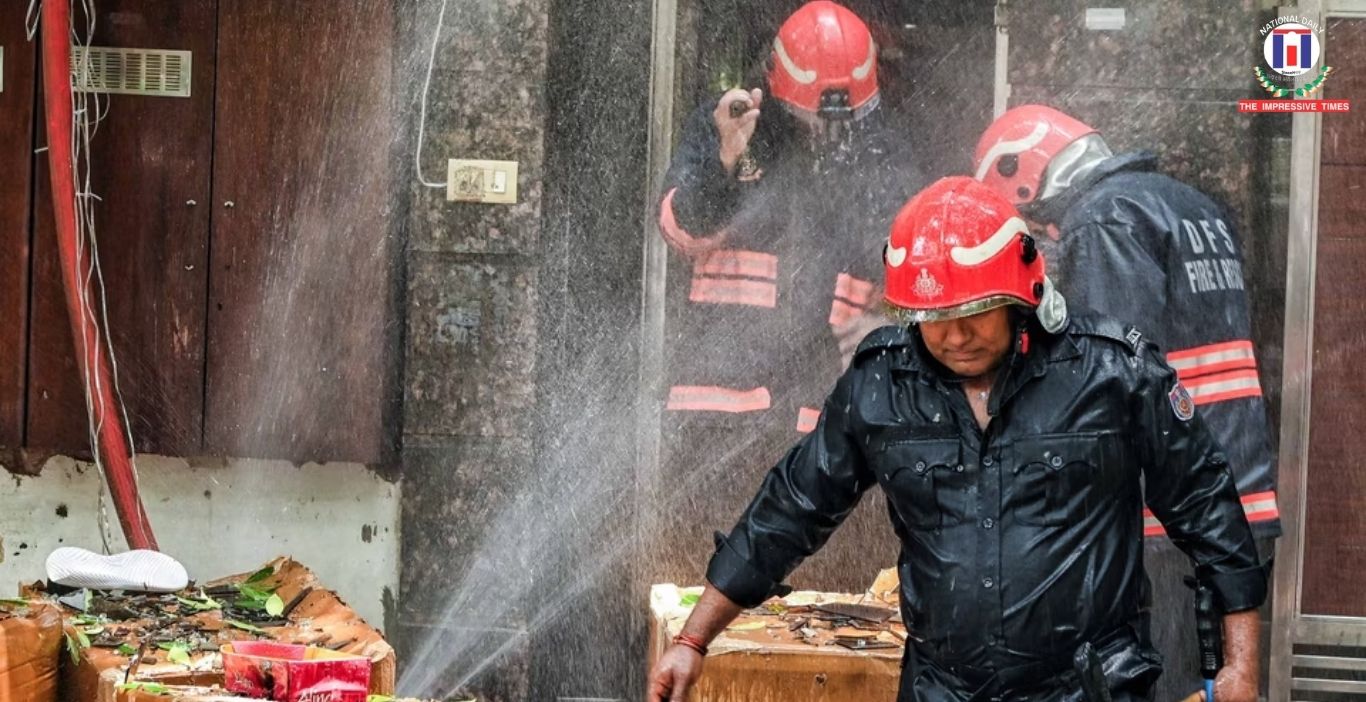
A detailed investigation into the devastating fire that claimed nine lives in Delhi’s Palam Vihar has highlighted significant shortcomings in emergency preparedness, firefighting operations and urban safety management. The findings have raised fresh concerns over the city’s ability to respond effectively to large-scale fire incidents.
According to the inquiry, rescue efforts encountered major obstacles after firefighting equipment faced operational delays due to a network of illegally installed overhead utility cables. The obstruction reportedly slowed the deployment of essential rescue machinery, allowing the fire to intensify during the critical initial stages.
The report further observed that emergency responders lacked an effective contingency strategy when the primary rescue equipment became unusable. The absence of an immediate alternative delayed firefighting operations until additional equipment reached the scene, by which time the flames had spread extensively.
Investigators also pointed to broader issues beyond the incident itself, including inadequate coordination among civic agencies, weak enforcement of safety regulations and poor urban infrastructure planning. These systemic shortcomings, the report noted, reduced the effectiveness of the emergency response.
The findings have renewed calls for stricter implementation of fire safety norms, removal of unauthorized overhead installations, regular emergency preparedness drills and better coordination among government departments responsible for public safety.
The Palam Vihar tragedy remains one of Delhi’s most serious fire incidents in recent months, with the investigation emphasizing that stronger preventive measures and faster emergency response systems are essential to avoid similar disasters in the future.








































No Comments: