Merit Must Decide Success, Says Ujjwal Nikam While Backing Anti-Paper Leak Amendment Bill in Rajya Sabha

Senior Advocate and Rajya Sabha MP says strict timelines, fast-track courts and stronger enforcement will help restore confidence in India's public examination system.
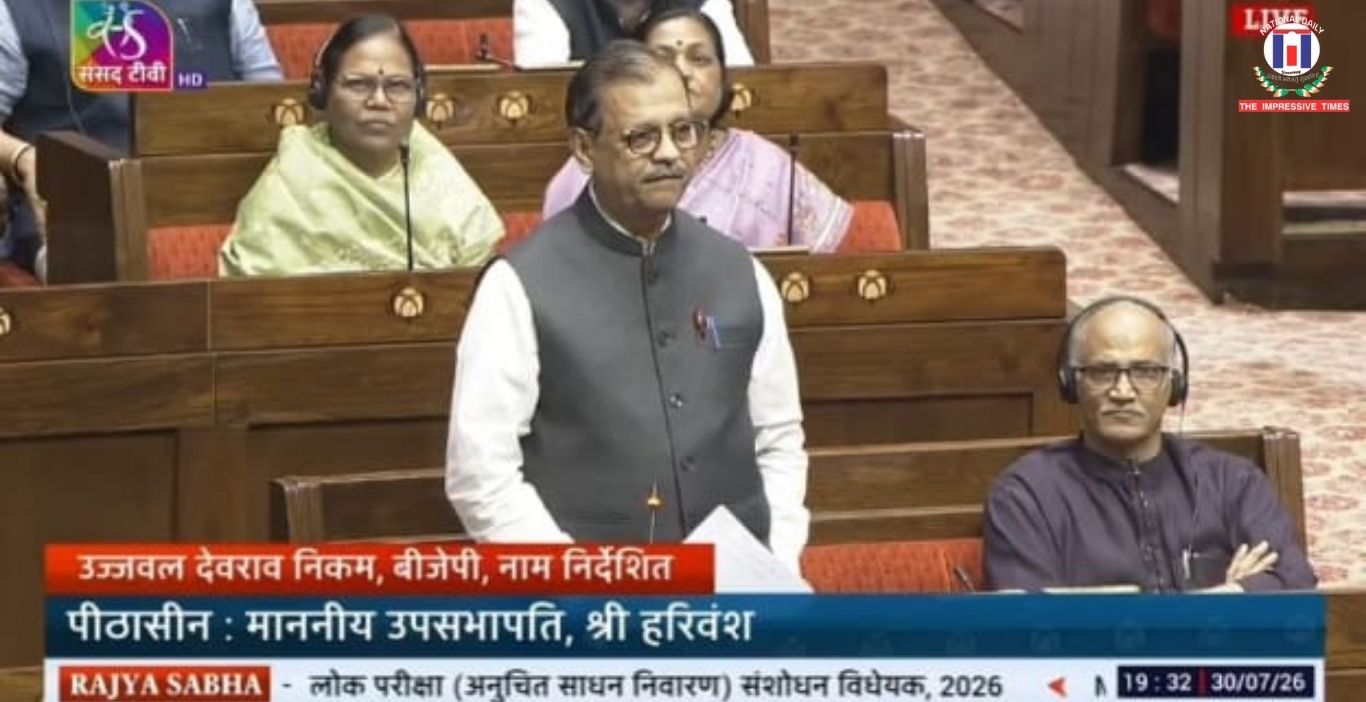
Paper Leak Bill discussed by Ujjwal Nikam in Rajya Sabha

New Delhi, July 29, 2026;

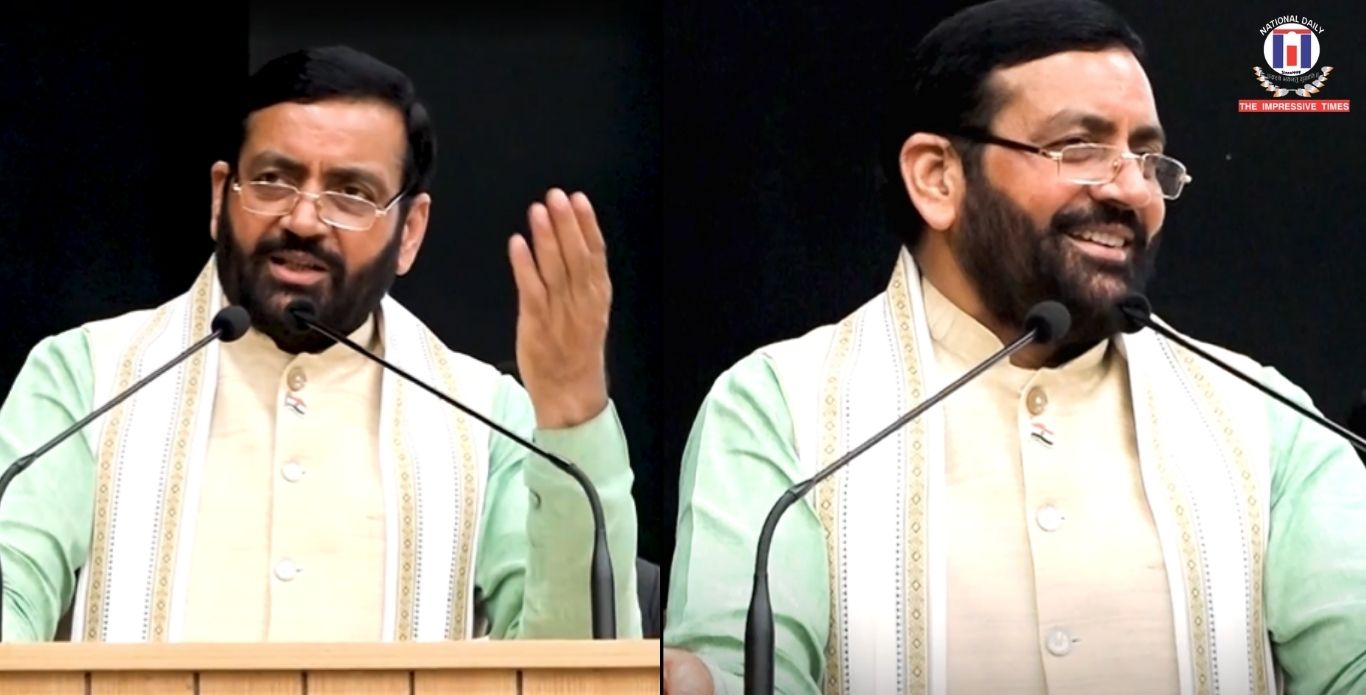
Calling examination fraud a direct attack on the aspirations of millions of young Indians, Rajya Sabha Member of Parliament and Senior Advocate Ujjwal Nikam strongly supported the Public Examinations (Prevention of Unfair Means) Amendment Bill, 2026 during a debate in the Upper House. He said the proposed law is designed to protect deserving candidates and reinforce the credibility of recruitment and entrance examinations across the country.
Nikam observed that recurring paper leak incidents have damaged public trust and unfairly affected hardworking students. He said the amendment seeks to create a stronger legal framework to curb organised examination fraud by ensuring strict accountability and faster prosecution of offenders.

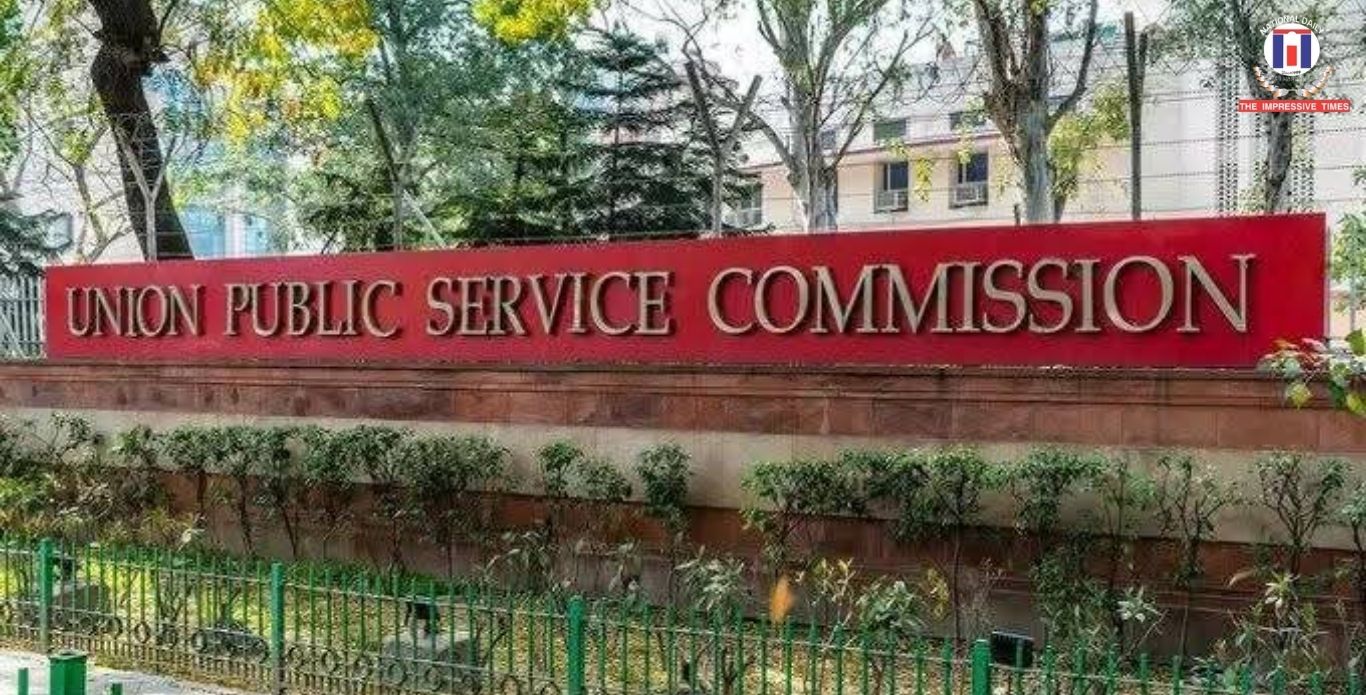
Highlighting the key features of the Bill, he said it broadens the protection offered under the existing law by covering major public examinations conducted by agencies such as the Union Public Service Commission (UPSC), Staff Selection Commission (SSC), Railway recruitment bodies, banking recruitment agencies and the National Testing Agency (NTA).

He noted that the legislation proposes dedicated fast-track courts and special public prosecutors to ensure cases are handled without unnecessary delays. According to him, investigations should be completed within two months, while trials should be concluded within three months after the filing of the chargesheet, making the justice delivery process more effective.

Drawing from his extensive legal experience, Nikam said the effectiveness of criminal law depends not only on strict punishment but also on timely enforcement. He added that prolonged legal proceedings often weaken deterrence, whereas swift justice sends a strong message against organised cheating syndicates.

He also suggested that, wherever legally permissible, evidence from formal witnesses could be submitted through affidavits to reduce procedural delays and enable quicker disposal of cases without compromising the judicial process.

During his speech, Nikam remarked that while popular culture may portray disorder as a path to success, India’s constitutional framework places merit, fairness and equal opportunity above all else. He said the legislation aims to ensure that genuine talent is never overshadowed by criminal manipulation.

Appealing for unanimous support in the House, Nikam urged Members of Parliament to view the Bill as a national commitment to protecting students rather than as a partisan initiative. He said safeguarding the integrity of public examinations is essential for preserving faith in the country’s recruitment and education systems.

Next Post

No Comments:

Leave a Reply

Your email address will not be published. Required fields are marked *

National News

Education

More News