Public Examinations Amendment Bill 2026 Introduced in Lok Sabha to Curb Exam Malpractices
Bill proposes stricter penalties, fast-track investigations and special courts to ensure speedy justice in examination-related offences.

 The Impressive Times
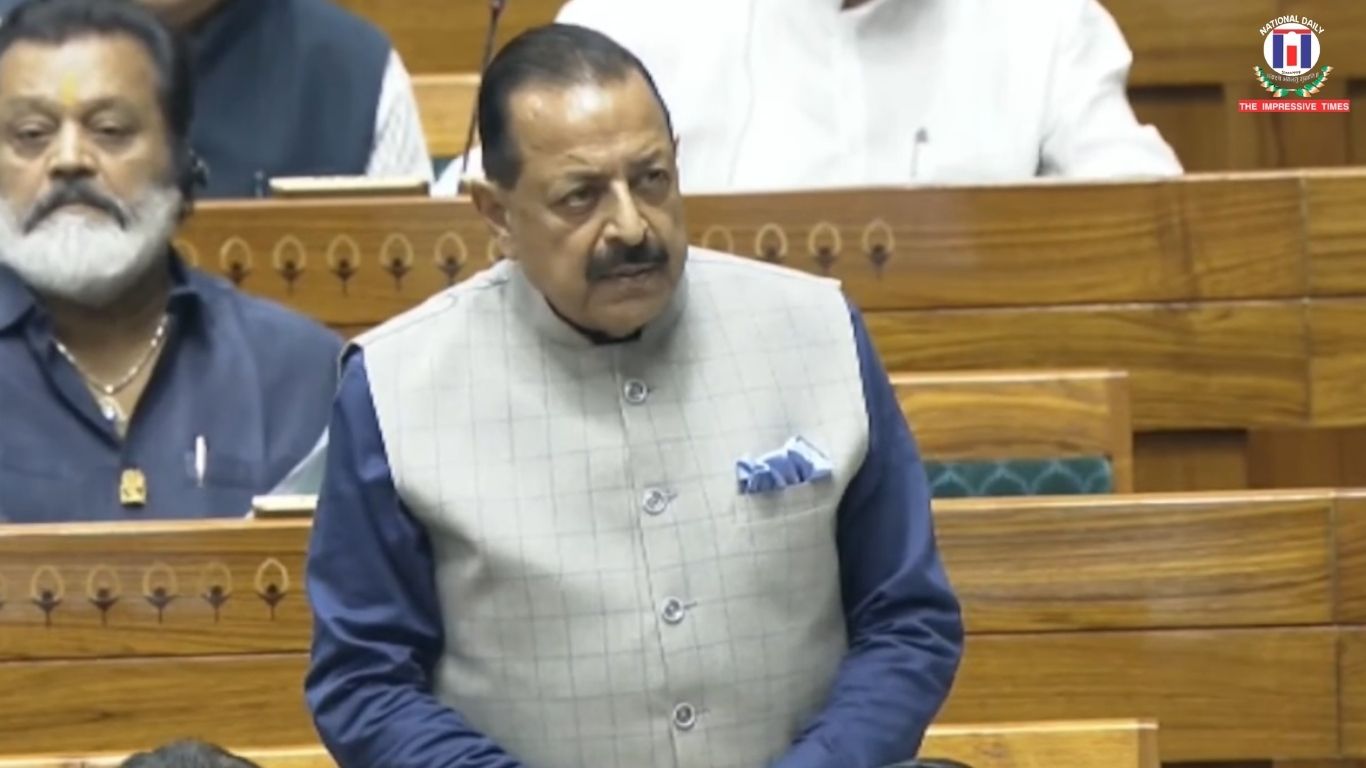
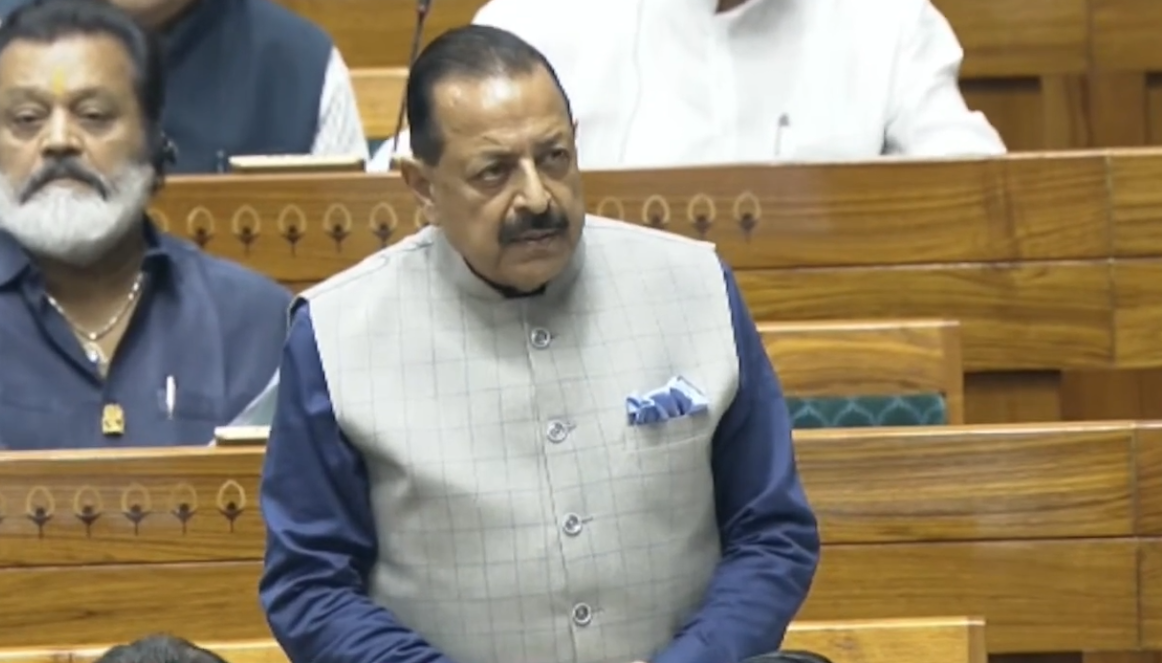
New Delhi, July 27, 2026:Union Minister Dr. Jitendra Singh on Monday introduced the Public Examinations (Prevention of Unfair Means) Amendment Bill, 2026 in the Lok Sabha to strengthen the legal framework against examination malpractices, including question paper leaks, impersonation and organised cheating.
The Bill seeks to amend the Public Examinations (Prevention of Unfair Means) Act, 2024 by introducing fast-tracked investigations, Special Fast Track Courts, Special Public Prosecutors, time-bound disposal of appeals and stricter punishments to deter offences.
Under the proposed amendments, individuals found guilty of using unfair means may face imprisonment ranging from five to ten years, compared to the current three to five years. The maximum fine has also been proposed to increase from ₹10 lakh to ₹50 lakh.
For service providers involved in examination-related offences, the maximum fine may rise from ₹1 crore to ₹5 crore, while the period of debarment from conducting public examinations could be extended from four years to eight years. Managerial personnel of such service providers may also face imprisonment between five and ten years, along with fines of up to ₹5 crore.
To tackle organised examination crimes, the Bill proposes increasing the minimum imprisonment from five to seven years, extendable up to ten years, and raising the maximum fine from ₹1 crore to ₹10 crore.
The amendments also empower the Central Government to refer cases to a Special Task Force for investigation. Investigations are proposed to be completed within two months, while Special Fast Track Courts will conduct day-to-day trials and aim to conclude cases within three months of filing the charge sheet. Appeals before High Courts are proposed to be filed within 30 days and disposed of, as far as possible, within three months.
The government said the amendments aim to strengthen deterrence against examination-related crimes, ensure speedy justice and safeguard the integrity, fairness and transparency of public examinations while protecting the interests of deserving candidates.
































No Comments: