Amit Shah Calls for 25-Year Roadmap for NCDC, Highlights ₹4.14 Lakh Crore in Financial Assistance to Cooperatives
At the 93rd NCDC General Council meeting, the Union Cooperation Minister reviews institutional growth, sets ambitious disbursement targets and calls for stronger financing models to empower farmers, women, fishermen and rural communities
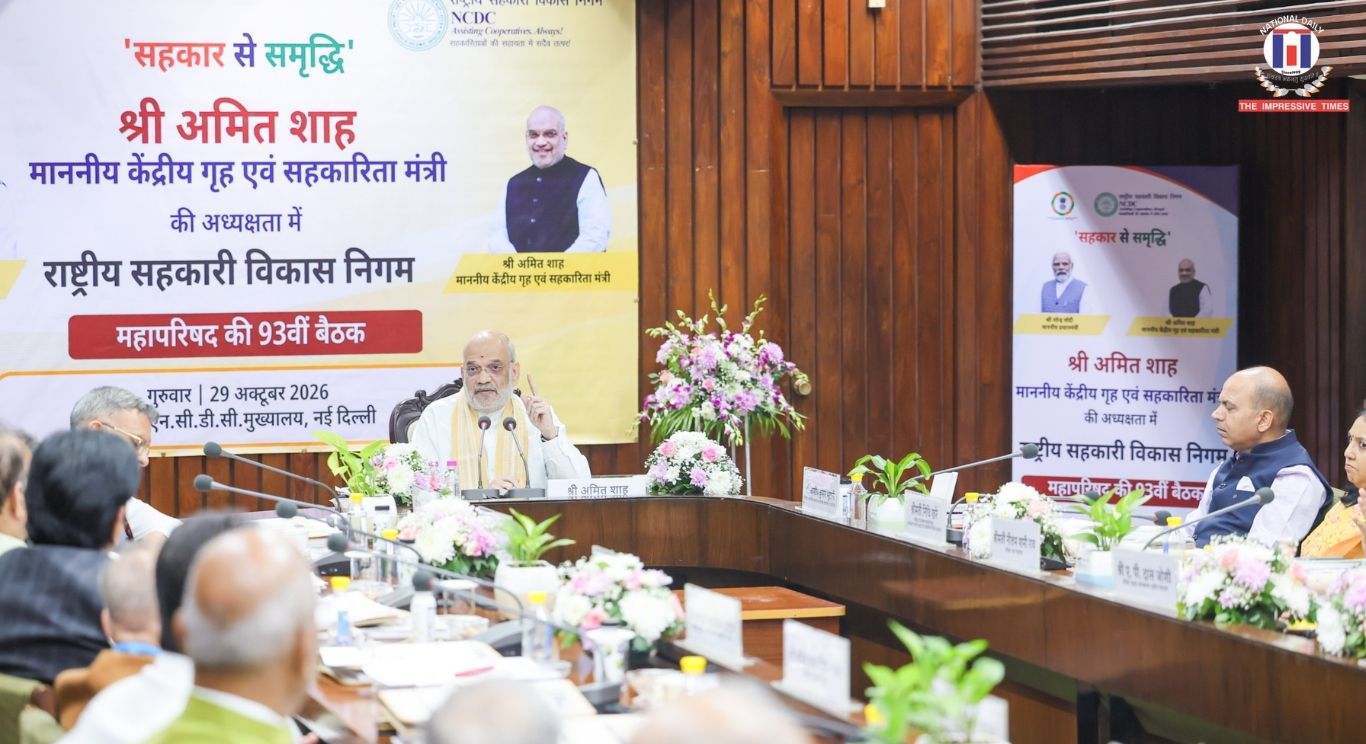
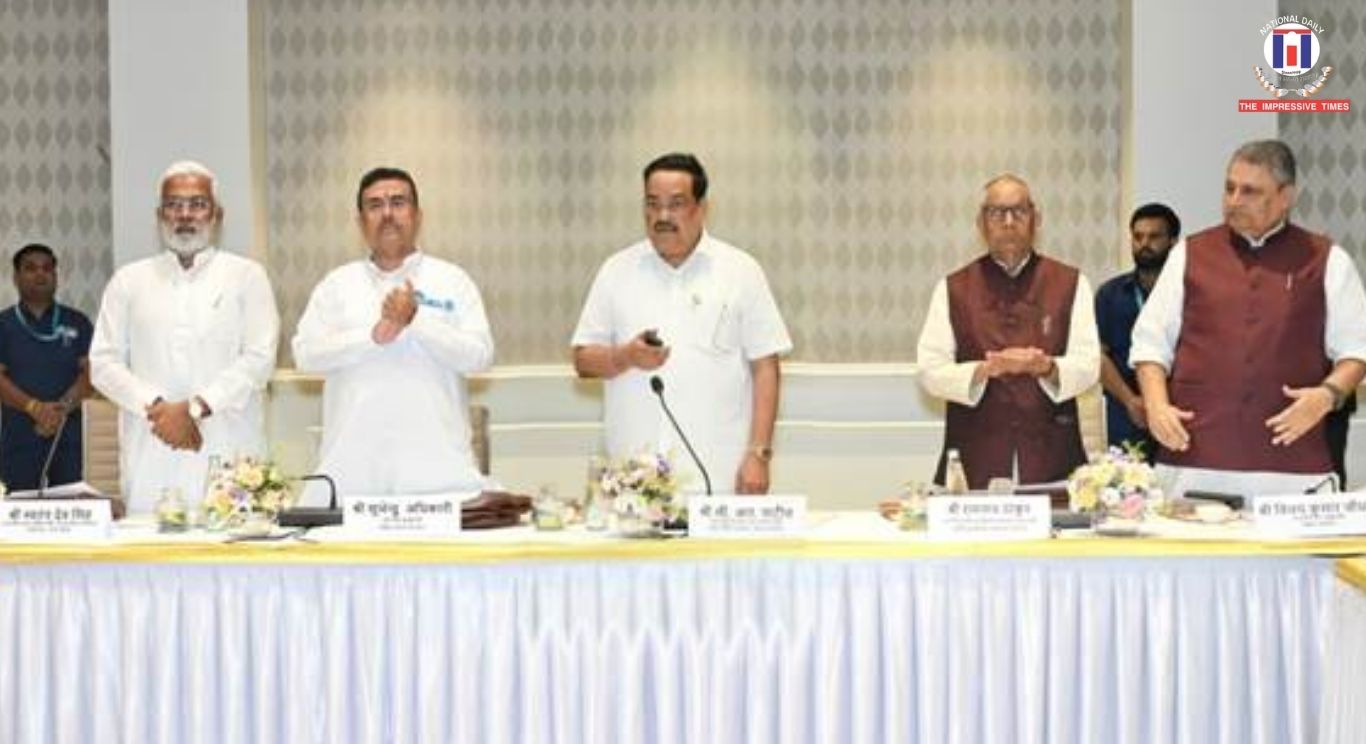
New Delhi : Union Home and Cooperation Minister Amit Shah chaired the 93rd General Council meeting of the National Cooperative Development Corporation (NCDC) in New Delhi on October 29, 2026, reviewing the organisation’s financial performance, institutional achievements and future strategy. He called for a comprehensive 25-year roadmap to strengthen NCDC’s institutional structure, expand its financial resources and improve its professional functioning in line with Prime Minister Narendra Modi’s vision of “Sahkar Se Samriddhi” (Prosperity through Cooperation).
Shah praised NCDC’s performance over the past five years, describing the period as a golden era for the organisation. He highlighted its expansion across all states and Union Territories, growth in loan approvals and disbursements, improved profitability and maintenance of zero net non-performing assets (NPAs). He urged the corporation to build on these achievements and extend the benefits of cooperative development to small farmers, livestock rearers, fishermen, rural women and economically disadvantaged communities.
Emphasising the role of cooperatives in inclusive national development, Shah said economic progress should not be measured solely through GDP, per capita income or industrial investment. Instead, development must ensure that every citizen has opportunities to participate in economic growth and live with dignity. He cited successful cooperative organisations such as Amul, IFFCO and Lijjat Papad as examples of how professional management combined with cooperative principles can create competitive institutions.
The minister directed NCDC to prepare a long-term roadmap covering institutional reforms, alternative sources of capital, financial autonomy, organisational restructuring and emerging business opportunities. He proposed forming a group of experienced cooperative-sector representatives and professionals to examine these issues, followed by a workshop and a special meeting after March 31, 2027. The aim is to advance decisions on the corporation’s future direction by December 2027.
Shah stressed that cooperative institutions must adopt professional administrative practices while remaining firmly rooted in cooperative values. He also called for stronger partnerships with NABARD, state cooperative banks and commercial banks through consortium financing and co-financing models. Such arrangements, he said, could help meet the growing financial needs of dairy cooperatives, fisheries, agricultural enterprises and other rural industries.
Highlighting the need to expand financial support, Shah outlined ambitious disbursement targets of ₹1.70 lakh crore for 2026–27, ₹2.10 lakh crore for 2027–28 and ₹2.50 lakh crore for 2028–29. He also called for working towards approximately ₹3.50 lakh crore in annual disbursements in both 2029–30 and 2030–31.
The minister emphasised the importance of ensuring that large-scale financial assistance translates into tangible improvements in rural livelihoods. Citing support for approximately 100 deep-sea fishing trawlers, he noted that such projects could improve fishermen’s incomes and create better opportunities for their families. He also called for developing circular-economy-based business models for cooperative sugar mills, including shared processing facilities to help smaller mills produce value-added products.
Shah highlighted NCDC’s role in supporting national-level cooperative institutions, including the National Cooperative Exports Limited (NCEL), Bharatiya Beej Sahakari Samiti Limited (BBSSL), National Cooperative Organics Limited (NCOL), Bharat Taxi, Sahakar Sarathi and NUCFDC, the umbrella organisation for urban cooperative banks. He also encouraged the integration of eligible young people trained under the Sahakar Mitra programme into new multi-state cooperative institutions to strengthen professional management and leadership.
Giving special attention to the Northeast, Shah called for targeted cooperative projects to make the region self-reliant in animal husbandry, dairy and fisheries by 2030. He said these initiatives could increase the region’s income by approximately ₹32,800 crore and generate around eight lakh employment opportunities. NCDC’s regional offices were asked to prepare practical projects in coordination with state governments and ensure appropriate financing.
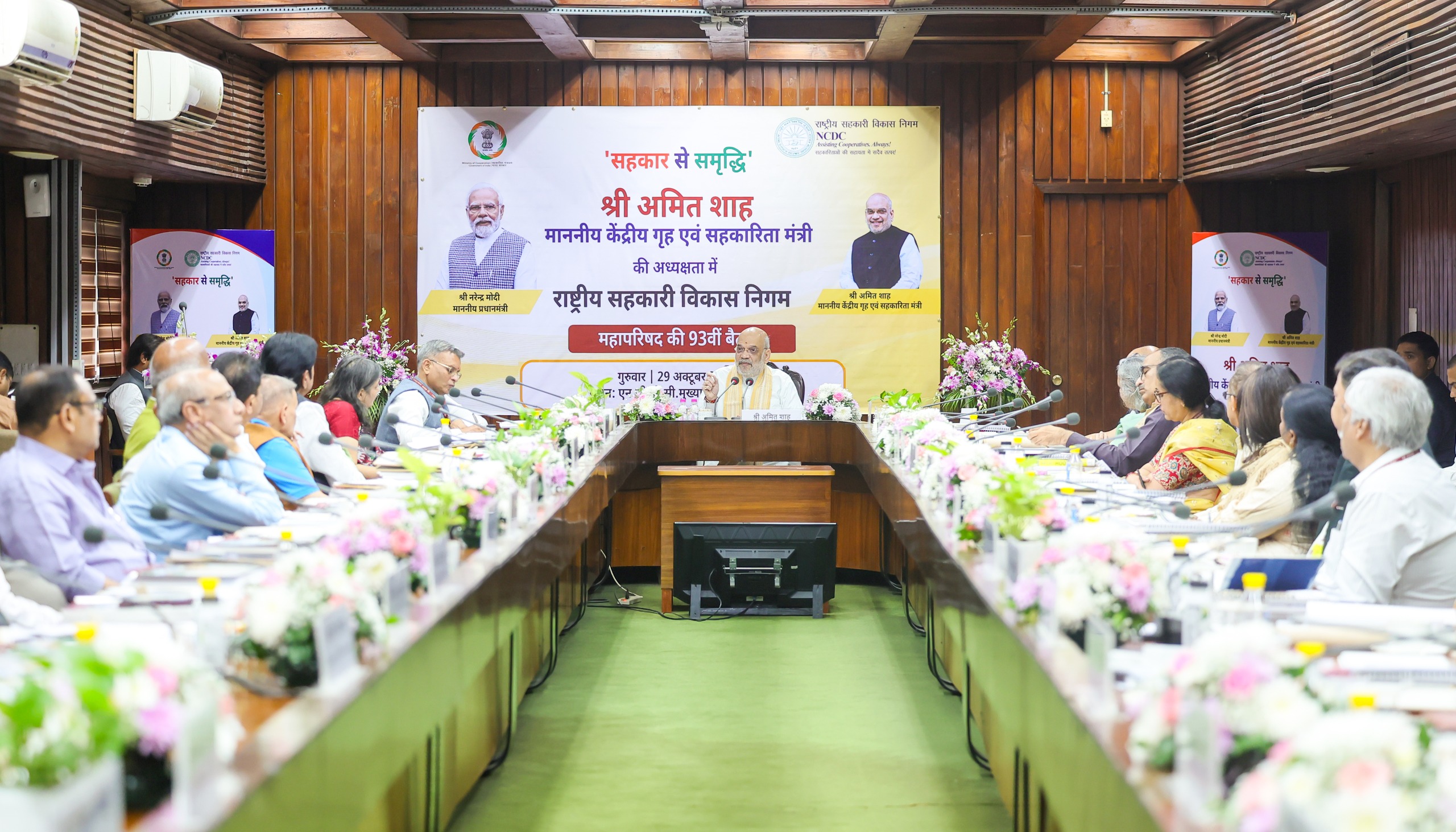
According to the financial figures presented at the meeting, NCDC had disbursed a cumulative ₹4,14,586 crore in financial assistance to cooperative institutions since the formation of the Ministry of Cooperation, up to October 25, 2026. During the financial year 2025–26, it sanctioned projects worth ₹1,55,408 crore and disbursed ₹1,27,596 crore. The corporation recorded a net profit of ₹1,475 crore, a loan recovery rate of 99.84 per cent and zero net NPAs during the year. Its annual disbursement rose from ₹24,733 crore in 2020–21 to ₹1,27,596 crore in 2025–26, an increase of approximately five times.
The meeting also reviewed the significance of the National Cooperative Development Corporation (Amendment) Act, 2026, which expands avenues for financing cooperative development, institutional participation and investment through equity and share capital. The government has approved a ₹2,000 crore grant for NCDC, enabling it to mobilise ₹20,000 crore from the market over four years. Under this initiative, the corporation disbursed ₹9,380 crore in 2025–26 and ₹6,172 crore up to October 25, 2026, in the current financial year.
NCDC’s other initiatives include the Sahakar Innovation Scheme, which provides eligible cooperative institutions with grants of up to ₹25 lakh, and support for farmer producer organisations (FPOs). The corporation has registered 1,863 FPOs in the cooperative sector, including 1,117 formed through primary agricultural credit societies (PACS). By October 2026, ₹356.90 crore had been disbursed to FPOs and associated institutions under the initiative.
The meeting also highlighted efforts to strengthen professional skills and institutional capacity. During 2025–26, NCDC’s Laxmanrao Inamdar National Cooperative Research and Development Academy (LINAC) and its regional training centres conducted 227 training programmes, with 21,688 participants. These initiatives aim to improve financial management, digital accounting, branding, marketing and professional leadership across the cooperative sector.
Concluding the meeting, Shah congratulated NCDC’s officials, employees and General Council members on the corporation’s financial performance and institutional expansion. He expressed confidence that continued reforms, stronger financing partnerships and greater outreach would help establish cooperatives as a powerful instrument for rural prosperity, employment generation, economic self-reliance and inclusive national development.



































No Comments: