
 The Impressive Times
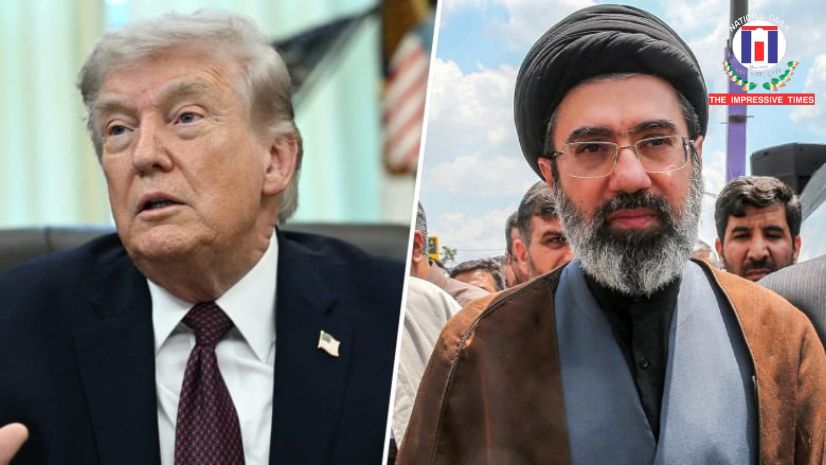
Washington: Efforts to bring an end to the ongoing conflict in West Asia have gained significant momentum, with reports suggesting that the United States and Iran have agreed on the wording of a proposed peace deal. Pakistan Prime Minister Shehbaz Sharif, whose government has been actively involved in mediation efforts, said both sides had reached an understanding on the draft agreement and discussions are now focused on the next steps.
The reported breakthrough comes after several days of diplomatic exchanges involving Iran, the United States and Israel, which had heightened concerns about a broader regional conflict. Officials familiar with the negotiations indicated that the proposed agreement could pave the way for de-escalation and restore stability in a region affected by months of tensions.
According to regional officials, the agreement is expected to include a phased easing of economic sanctions imposed on Iran, along with the release of billions of dollars in frozen Iranian assets. The move is aimed at rebuilding trust and creating conditions for a longer-term settlement between the two countries.
A formal signing ceremony could take place within days, subject to final approval from authorities in Washington and Tehran. Earlier, US President Donald Trump had indicated that an agreement could be signed as soon as this weekend, describing recent negotiations as productive and encouraging.
Financial markets responded positively to reports of progress. Oil prices fell sharply as investors anticipated reduced geopolitical risks and improved stability in global energy supplies. Brent crude futures dropped 3.4 percent to settle at $87.33 per barrel, while US West Texas Intermediate crude declined 3.2 percent to close at $84.88 per barrel. European natural gas prices also recorded significant declines amid growing optimism over a potential peace agreement.
Analysts noted that the decline in oil prices was driven not only by hopes for peace but also by markets adapting to disruptions caused by restrictions around the Strait of Hormuz. Increased shipping activity and alternative supply arrangements have helped ease concerns about energy shortages.
Reports suggest that under the proposed agreement, the United States would begin releasing frozen Iranian assets and gradually ease sanctions on Iranian oil exports. In return, Iran would facilitate the reopening of the Strait of Hormuz, a critical global shipping route through which a significant portion of the world’s oil supply passes.
One of the most sensitive aspects of the negotiations remains Iran’s nuclear programme. Sources indicated that both countries have agreed to hold detailed discussions on the issue during a proposed 60-day negotiation period. A US official stated that the long-term objective would be to ensure that Iran’s nuclear programme remains peaceful and transparent through a robust monitoring and inspection framework.
However, differences remain regarding the future of Iran’s enriched uranium stockpile. Iranian Foreign Minister Abbas Araghchi said Tehran does not support dismantling its nuclear programme and instead prefers to dilute highly enriched uranium into forms suitable for peaceful purposes. He reiterated that Iran’s nuclear activities are intended for civilian and energy-related needs.
Reports have also suggested that discussions may include issues such as potential war-related compensation and broader regional security arrangements. However, US officials have denied claims that negotiations involve changes to longstanding American positions regarding Iran’s missile programme.
Despite the remaining challenges, the latest developments have raised hopes for a diplomatic breakthrough that could reduce tensions across West Asia. Observers believe a successful agreement would not only improve relations between Washington and Tehran but also contribute to greater regional stability, economic recovery and energy market confidence.
As negotiations enter their final phase, the international community is closely watching for confirmation of what could become one of the most significant diplomatic agreements in the region in recent years.





































No Comments: