India Strengthens Hepatitis Elimination Drive with Free Screening, Vaccination and Treatment
Government expands free screening, vaccination and treatment services under the National Viral Hepatitis Control Programme to achieve the 2030 hepatitis elimination target.
New Delhi, July 27, 2026;
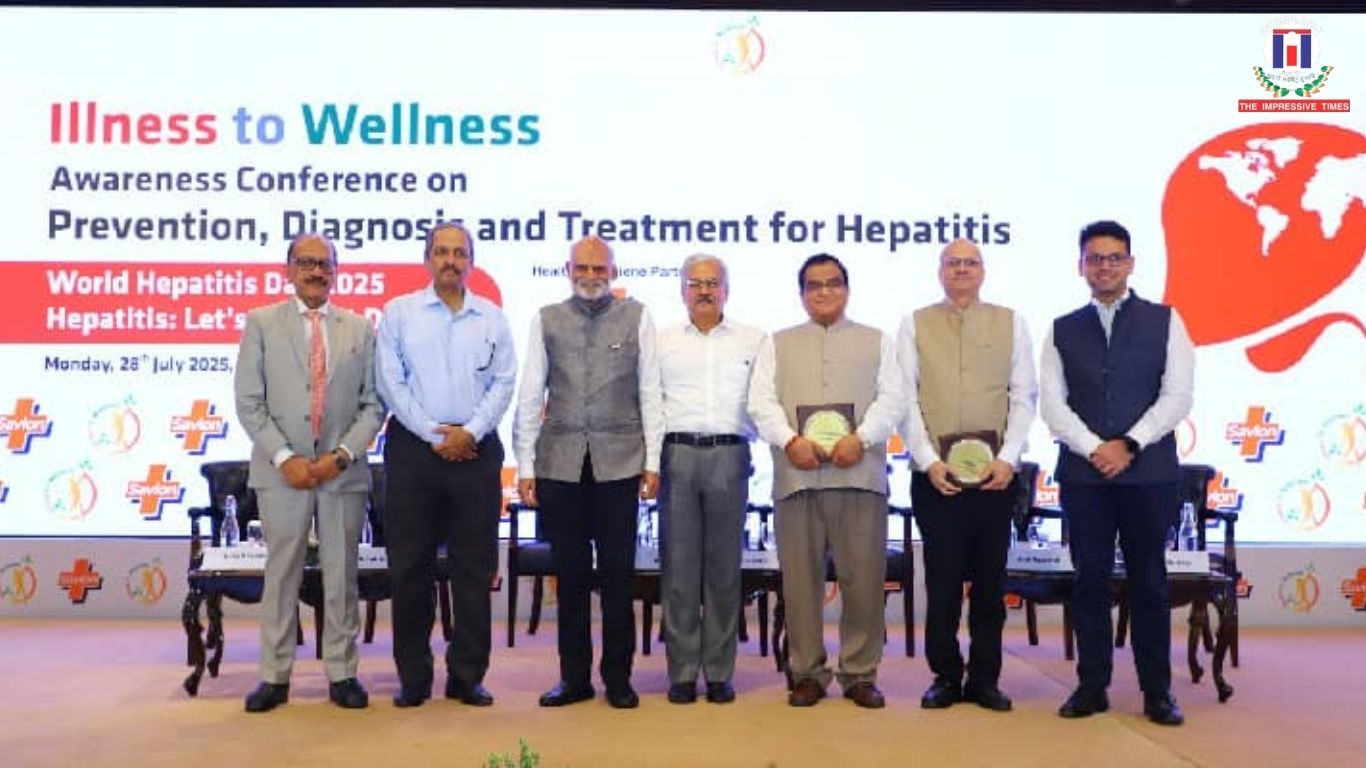
India Hepatitis Elimination efforts have received a major boost as the Government of India expands free screening, vaccination and treatment services under the National Viral Hepatitis Control Programme (NVHCP) to achieve the 2030 elimination target.
Viral hepatitis is an infection that affects the liver and can lead to serious complications if left untreated. Among the five major hepatitis viruses—A, B, C, D and E—Hepatitis B and C are the leading causes of chronic liver disease, cirrhosis and liver cancer. While Hepatitis A and E are generally spread through contaminated food and water, Hepatitis B, C and D are primarily transmitted through infected blood and body fluids.
Launched in 2018, the National Viral Hepatitis Control Programme provides free testing, medicines and monitoring for Hepatitis B and C patients. The programme also promotes awareness campaigns, digital patient tracking and integration with existing public health initiatives to improve access to healthcare services.
The government has intensified preventive efforts by strengthening vaccination under the Universal Immunisation Programme. Newborns receive the Hepatitis B birth dose within 24 hours of delivery, followed by scheduled doses during infancy. Pregnant women are routinely screened to reduce mother-to-child transmission, while healthcare workers and other high-risk groups are also covered through vaccination and screening initiatives.
Health authorities continue to encourage safe injection practices, proper sanitation, access to clean drinking water and improved hygiene to reduce the spread of hepatitis. While Hepatitis C currently has no vaccine, it can now be effectively cured in most patients through modern antiviral medicines provided under the national programme.
The programme works in coordination with several national health missions, including the National AIDS Control Programme, National Tuberculosis Elimination Programme, blood transfusion services and maternal and child health programmes. Existing laboratory infrastructure has also been leveraged to improve molecular testing and diagnosis.
According to findings from India’s 2021 HIV Sentinel Surveillance, approximately 0.85 percent of individuals tested positive for Hepatitis B, while 0.29 percent tested positive for Hepatitis C, highlighting the continued need for widespread screening and timely treatment.
To improve accessibility, hepatitis services are being expanded beyond district hospitals to community-level health facilities, allowing patients to receive diagnosis and treatment closer to their homes. A dedicated toll-free helpline (1800-11-6666) also provides information on prevention, transmission, treatment and the availability of healthcare services across the country.
Officials said the strengthened public health strategy aims to reduce new infections, ensure early diagnosis and provide affordable treatment, supporting India’s broader objective of achieving hepatitis elimination by the end of this decade.



































No Comments: