Delhi Government and World Bank Join Hands for ‘Clean Air, Healthy Delhi’, Chief Minister Rekha Gupta Inaugurates Orientation Workshop
Ambitious seven-year project worth ₹8,300 crore to be implemented with World Bank support

 The Impressive Times
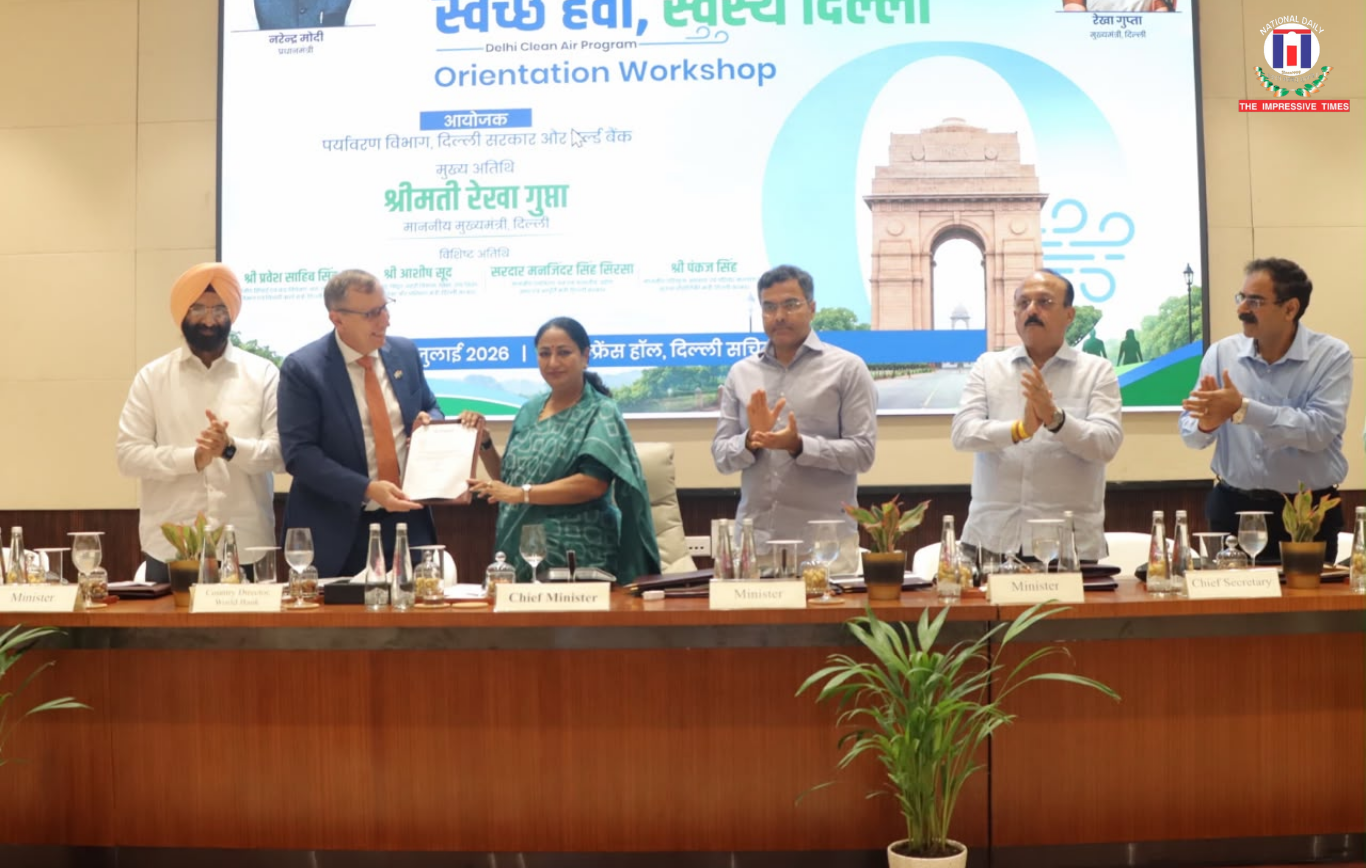
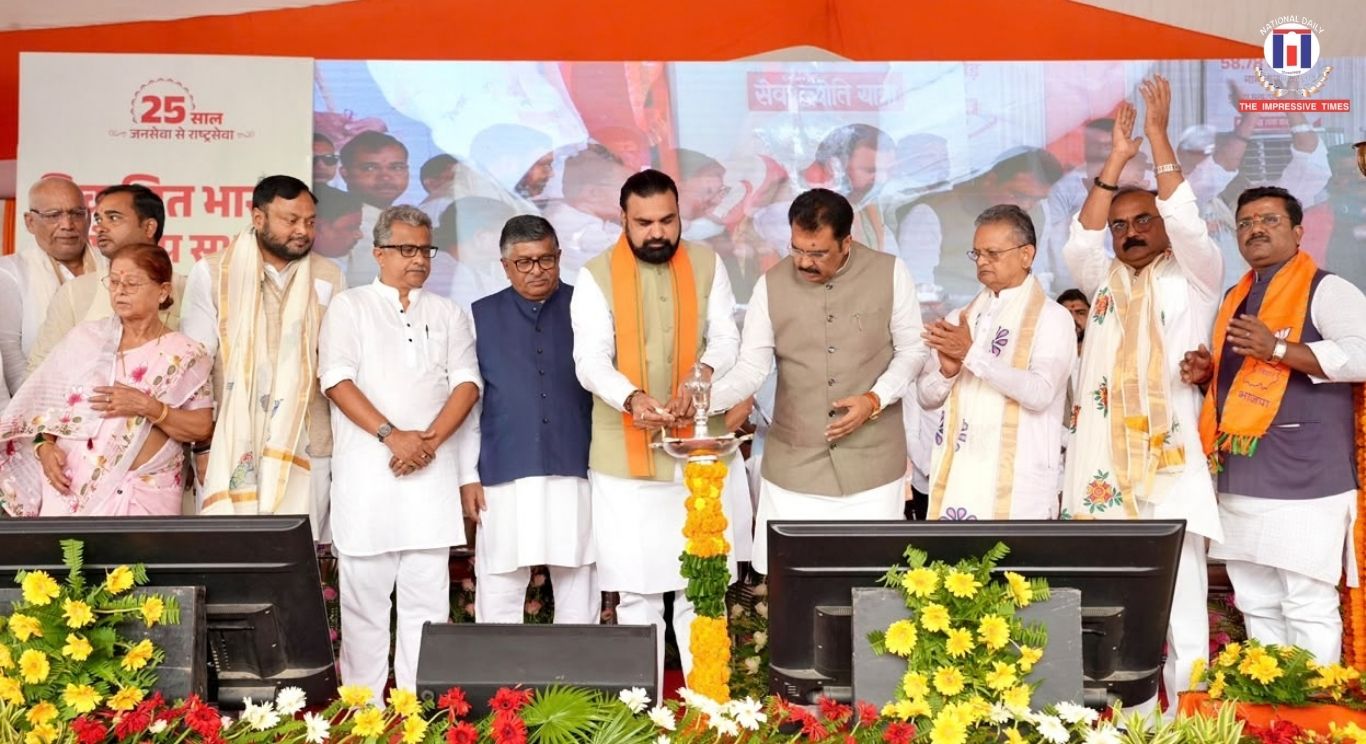
New Delhi, 10 July 2026: Delhi Chief Minister Rekha Gupta on Friday inaugurated the Orientation Workshop organised under ‘Clean Air, Healthy Delhi’ (Delhi Clean Air Programme) as the chief guest. On the occasion, the World Bank formally handed over the confirmation of the Project Preparation Grant Facility to the Delhi Government. The ambitious seven-year project of the Environment Department, to be implemented from September 2026 to August 2033, will be carried out with support from the World Bank and other multilateral institutions. The programme aims to accelerate the objectives of the National Clean Air Programme (NCAP). Addressing the workshop, the Chief Minister said the Delhi Government is working on a comprehensive, scientific and long-term strategy to tackle the complex challenge of air pollution. She said improving air quality is not the responsibility of any one department alone but a collective responsibility shared by all departments.
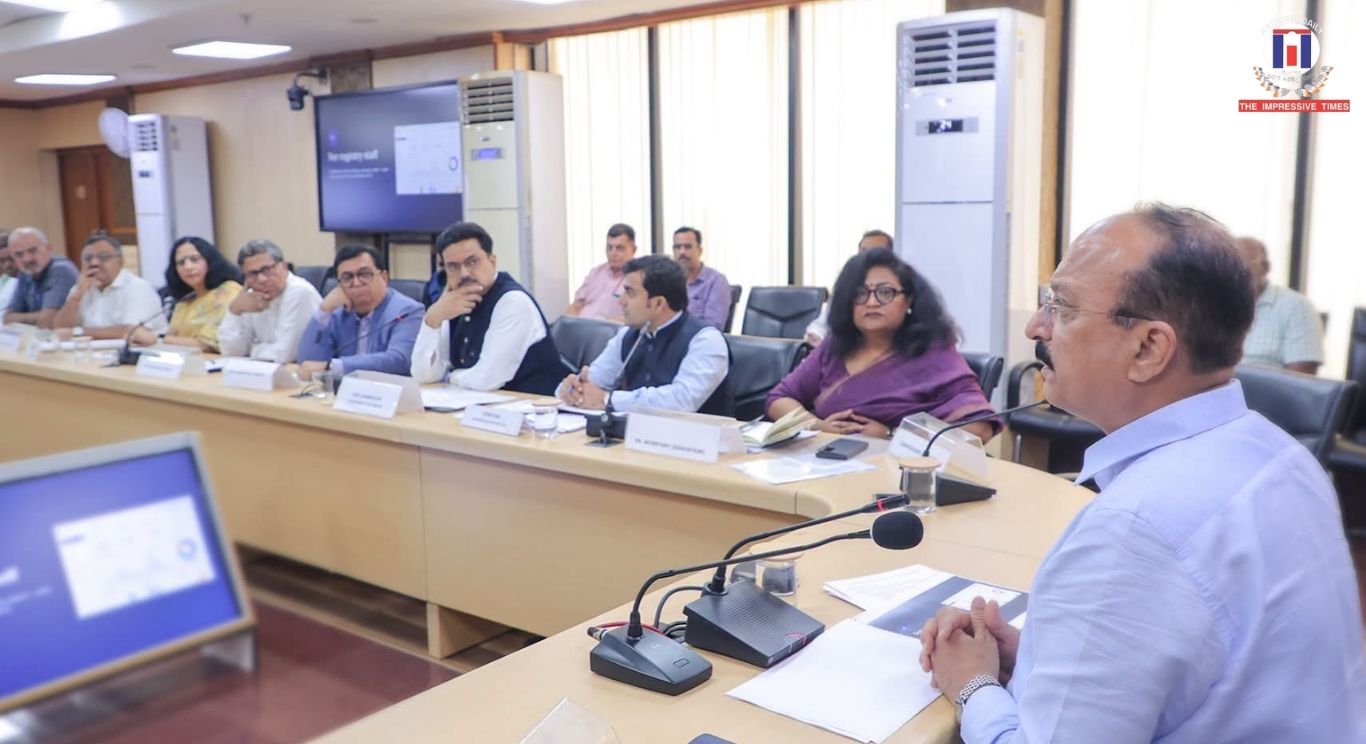
The workshop was attended by Delhi Cabinet Ministers Parvesh Sahib Singh, Ashish Sood and Sardar Manjinder Singh Sirsa, representatives of the Government of India’s Department of Economic Affairs, World Bank Country Head Mr Paul Procee other World Bank representatives and senior officials from all concerned departments. During the workshop, World Bank experts made presentations on financial management, procurement procedures, environmental and social safeguard standards and institutional preparedness under the Programme for Results (PforR) framework. The objective was to familiarise departments and agencies associated with the project with World Bank procedures and international standards.
Technical assessments and a panel discussion were also held during the workshop, focusing on key interventions to improve air quality. Discussions covered strategies related to improving the transport system, controlling road dust and strengthening solid waste management. Senior officials from the Delhi Pollution Control Committee (DPCC), Transport Department, Municipal Corporation of Delhi (MCD), Public Works Department (PWD), New Delhi Municipal Council (NDMC) and Delhi Transco Limited (DTL) participated in the discussion.
The Chief Minister said a strong institutional coordination mechanism has been established among the Environment Department, Transport Department, PWD, Municipal Corporation, DPCC, DTL, Delhi Jal Board and other agencies to improve air quality. She said the ‘Clean Air, Healthy Delhi’ programme reflects the Delhi Government’s vision of giving equal importance to development and environmental protection. As the capital continues to grow rapidly, it is essential to bring together developments in transport, energy, construction, waste management and civic services under a common objective. The Delhi Clean Air Programme has been conceived with this vision.
The Chief Minister said the Delhi Government’s strategy is clear, address pollution at its source, strengthen data-driven monitoring, ensure effective enforcement through technology and encourage active public participation. She said the government’s objective is not only to improve the Air Quality Index (AQI) but also to make the overall governance system more effective and accountable.
Expressing her gratitude to the World Bank, the Government of India’s Department of Economic Affairs and all associated agencies, she said the partnership between the Central Government, the World Bank and the Delhi Government would play a significant role in securing a cleaner and healthier future for the capital. She expressed confidence that the Delhi Clean Air Programme would emerge as an ideal model for other cities across the country in the years ahead.
‘Clean Air, Healthy Delhi’ – Delhi Clean Air Programme
The project will be implemented across all districts of Delhi from September 2026 to August 2033. It has an estimated outlay of ₹8,300 crore, of which 65 per cent will be financed through a World Bank loan, while the remaining 35 per cent will be borne by the Delhi Government. The programme is built around two key pillars. The first focuses on strengthening the air quality management system. Under this component, a dedicated Project Management Unit (PMU) will be established, along with a modern air quality monitoring network, data analytics systems and an Integrated Command and Control Centre-based monitoring system. It also aims to strengthen coordination among various departments while promoting public awareness, training, technological innovation and cooperation with the Indo-Gangetic Plain states.
The second pillar focuses on reducing emissions from major sources of pollution. Measures under this component include the phased removal of old and highly polluting vehicles, promotion of electric vehicles, strengthening public transport, development of advanced pollution testing systems, control of dust from roads and construction sites and improvements in waste collection.
On the occasion, Delhi Environment Minister Sardar Manjinder Singh Sirsa said the Delhi Government, under the visionary leadership of Chief Minister Smt. Rekha Gupta, has placed environmental protection among its highest priorities. Under the Green Budget for 2026-27, nearly 21 percent of the total budget of over ₹1 lakh crore has been earmarked for clean air, a greener Delhi and a cleaner Yamuna. He said this is not merely a financial allocation but a reflection of the government’s firm commitment to providing every resident of the capital with a healthier and better quality of life.
The Environment Minister said addressing a challenge as complex as air pollution requires scientific thinking, technological innovation and long-term planning. Every policy and initiative of the government is aimed at bringing about measurable improvements in air quality while promoting sustainable urban development. He said the partnership between the Delhi Government and the World Bank marks the beginning of a new and transformative chapter in the capital’s environmental journey. The World Bank’s global expertise, technical guidance and institutional support will help Delhi develop innovative and long-term solutions for clean air and climate adaptation. This collaboration will also enable Delhi to adopt international best practices and pave the way for a cleaner, greener and more liveable city for future generations.

















No Comments: