Trump-Netanyahu Rift Deepens as West Asia Faces New Diplomatic Crossroads
The dispute emerged as Washington and Tehran moved closer to a possible agreement aimed at ending months of hostilities

 The Impressive Times
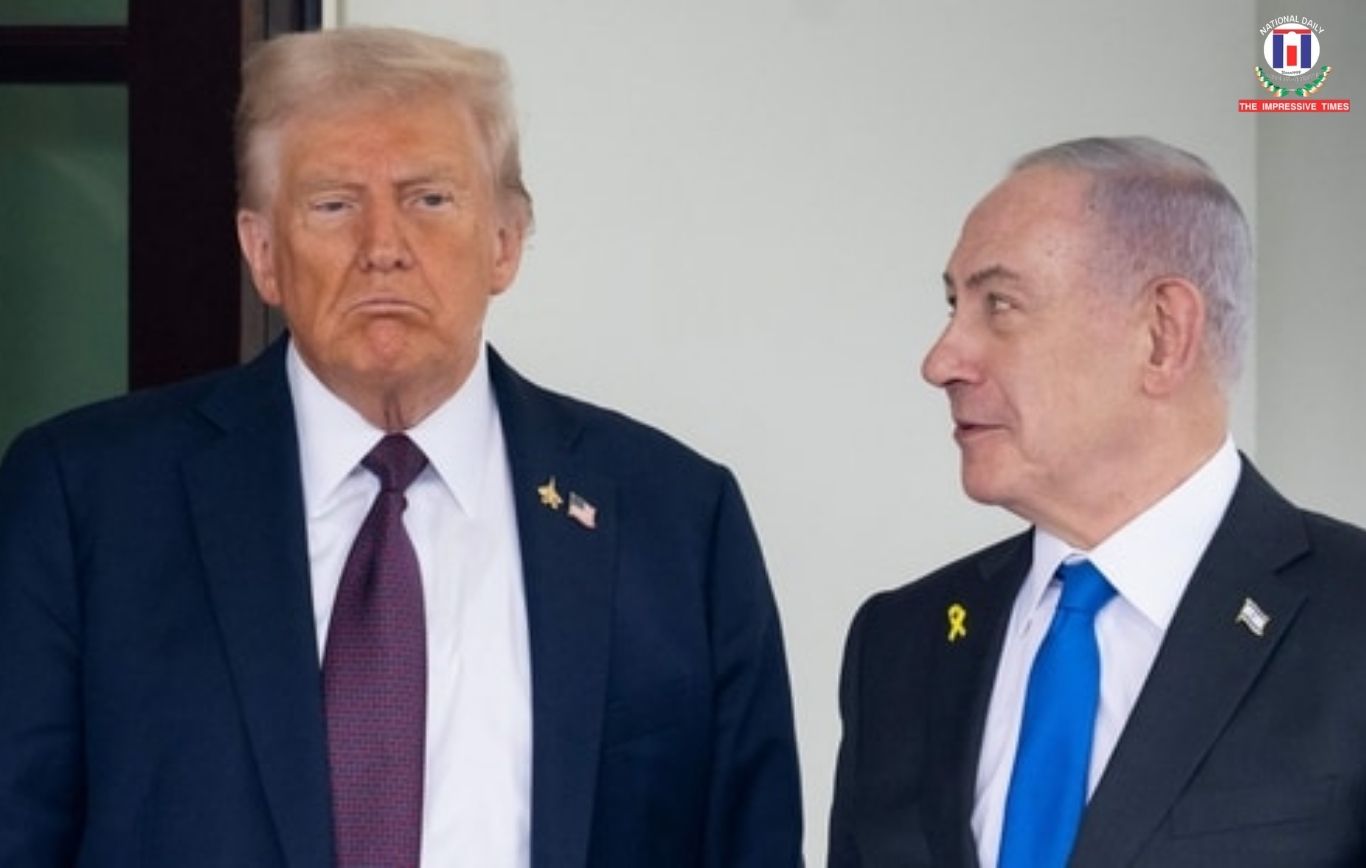
Washington :The growing tensions between the United States and Israel have added a new layer of uncertainty to the already fragile security situation in West Asia, with US President Donald Trump openly expressing frustration over Israeli Prime Minister Benjamin Netanyahu’s decisions amid the ongoing regional crisis. The remarks have highlighted increasing differences between the two allies over the path toward ending the conflict and restoring stability in the region.
The dispute emerged as Washington and Tehran moved closer to a possible agreement aimed at ending months of hostilities, while Israel continued military actions that complicated diplomatic efforts. Trump criticised Netanyahu’s approach, describing him as a difficult partner to deal with and questioning the timing of Israeli operations that he believed risked disrupting broader negotiations.
The developments reflect a deeper challenge in international diplomacy — managing the competing interests of allies during periods of crisis. For years, the US-Israel relationship has been considered one of the strongest strategic partnerships in global politics. However, recent disagreements show that even close alliances face pressure when military objectives and diplomatic priorities move in different directions.
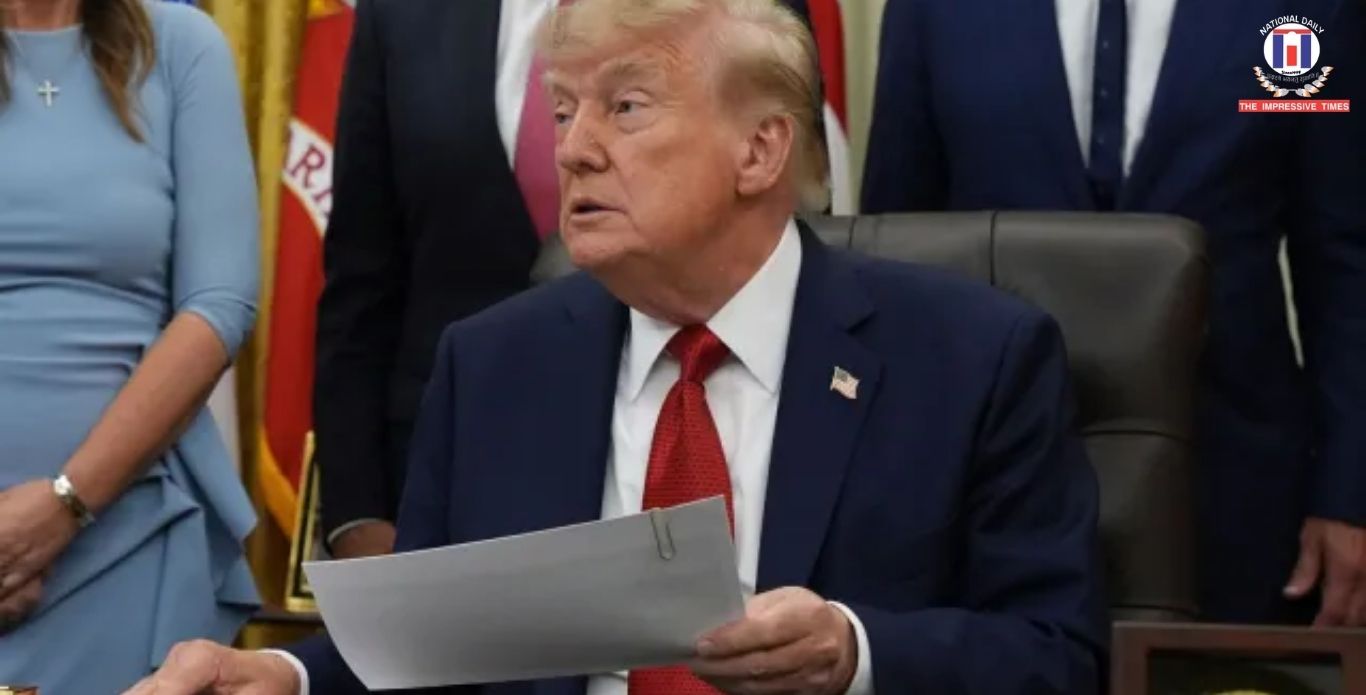
Trump’s comments that Israel’s survival depends on preventing Iran from acquiring nuclear capability underline the security concerns driving the confrontation. At the same time, his criticism of Israeli actions suggests a growing preference for negotiations and regional stability over continued escalation.
The West Asian conflict has already produced consequences beyond the immediate battlefield. Rising tensions have affected energy markets, increased fears of wider regional involvement, and created humanitarian challenges. The involvement of groups aligned with Iran has further complicated efforts to establish lasting peace, as conflicts in one area quickly spread into neighbouring regions.
Lebanon has emerged as one of the most vulnerable fronts in the crisis. Continued clashes and military operations have threatened fragile ceasefire arrangements and increased pressure on civilians. Any future agreement between Washington and Tehran will therefore depend not only on bilateral understanding but also on addressing the concerns of regional actors.
The disagreement between Trump and Netanyahu also reflects a broader question about the future of US foreign policy in West Asia. While Washington has historically supported Israel’s security priorities, American administrations have also faced pressure to prevent prolonged conflicts that destabilise global economic and political systems.
A sustainable solution will require more than temporary ceasefires or limited agreements. It will demand serious discussions on regional security, nuclear concerns, humanitarian protection, and long-term political stability. Without addressing these underlying issues, any peace arrangement may remain fragile.
The latest episode also demonstrates the difficulty of balancing strength with diplomacy. Military action may achieve short-term objectives, but lasting security usually depends on political agreements and trust-building efforts. The challenge before world leaders is to prevent a regional crisis from turning into a wider confrontation.
As Washington and Tehran continue negotiations, the future of West Asia remains uncertain. Whether the current tensions lead to a diplomatic breakthrough or another phase of escalation will depend on the willingness of all sides to compromise and prioritise stability over confrontation.
The differences between Trump and Netanyahu may represent more than a personal disagreement; they reflect a larger debate over how global powers should respond to complex conflicts. In a region where every decision carries international consequences, diplomacy remains the only path capable of delivering lasting peace.




































No Comments: