Women’s Political Representation Key to Developed India, Says Lok Sabha Speaker Om Birla
Lok Sabha Speaker Om Birla highlights 33% women’s reservation and calls for stronger women’s political leadership at an NCW workshop in Faridabad.

 The Impressive Times
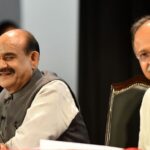
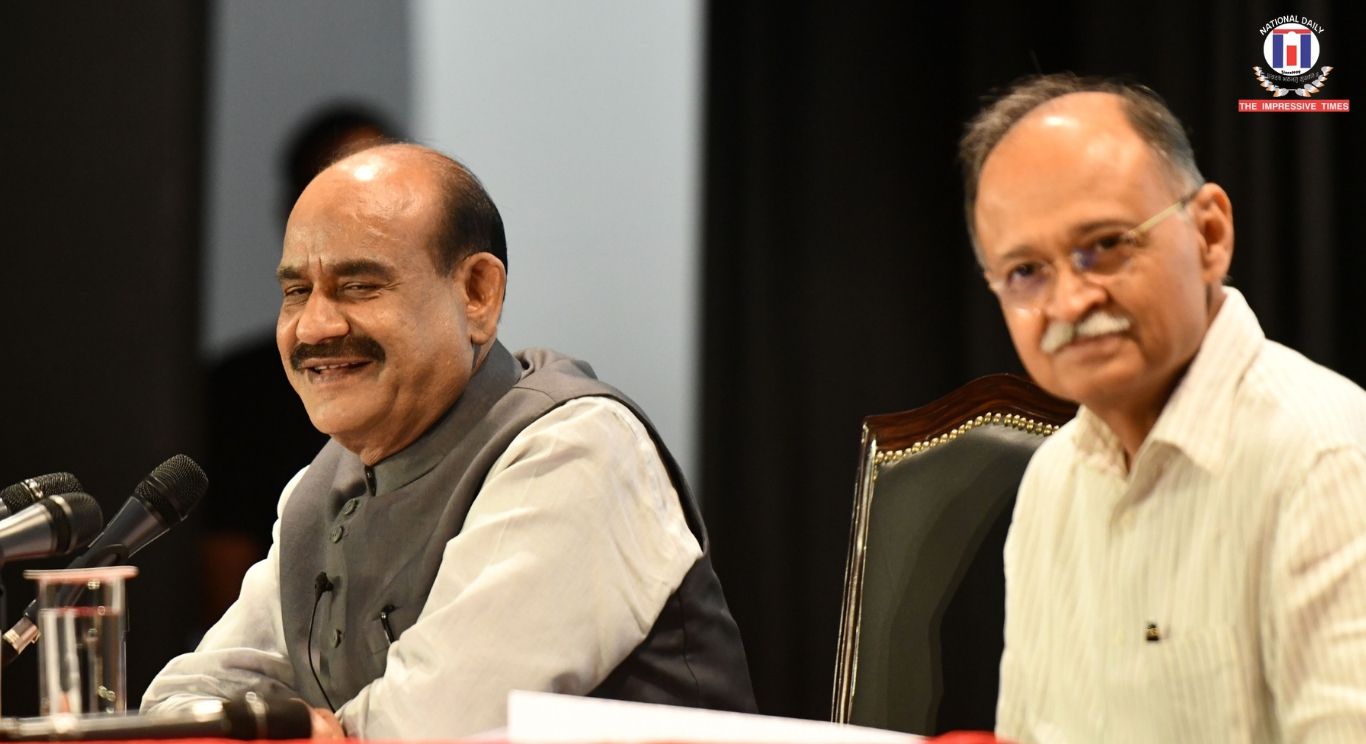
New Delhi- Lok Sabha Speaker Om Birla today highlighted the significance of greater representation of women in democratic institutions, referring to the provision of 33 per cent reservation for women in the Lok Sabha and State Legislative Assemblies as a historic need. Observing the growing presence of women across various public services and professions, Birla said that the coming years would witness a new generation of women leaders emerging across political, administrative, and social spheres. He added that the day is not far when women will account for over 50 percent of public services.
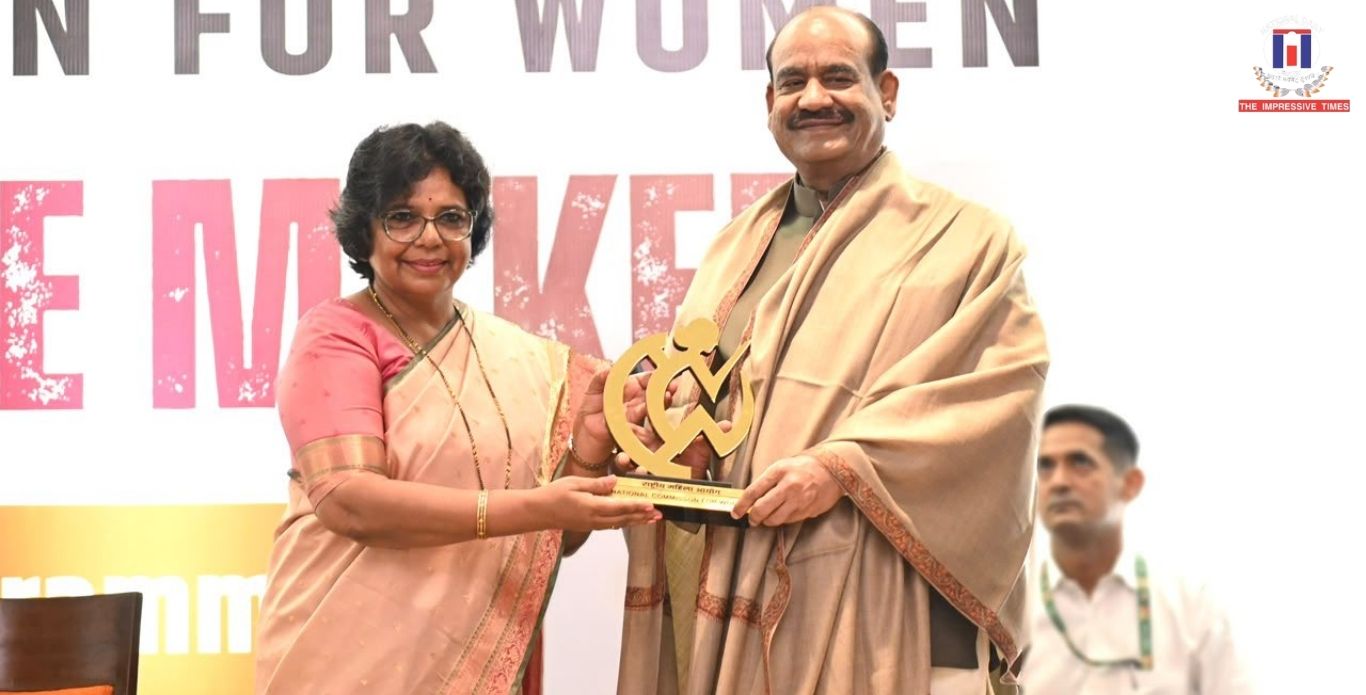
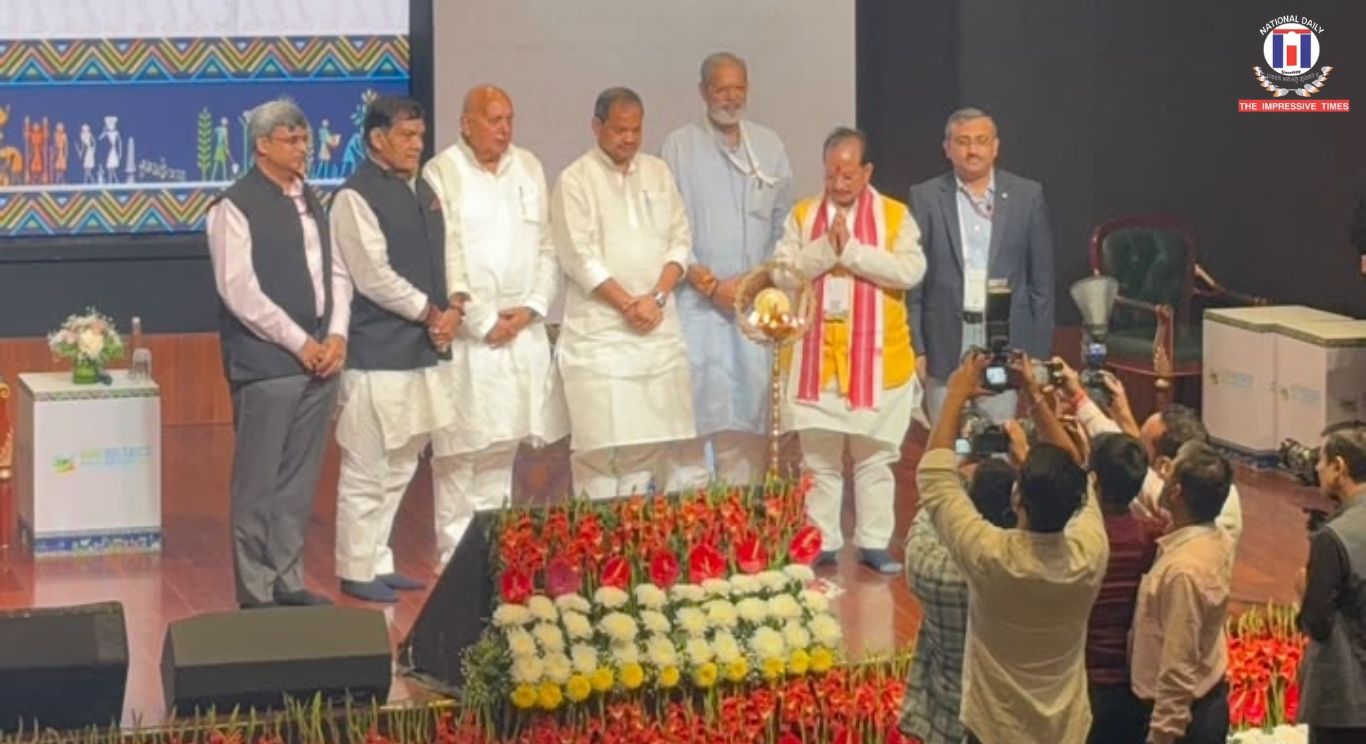
Birla made these observations while inaugurating a two-day All-India Capacity Building Workshop on the theme “Gender-Responsive Governance,” organized by the National Commission for Women (NCW) in Faridabad today.
https://x.com/ombirlakota/status/2096881186425680157
Mentioning that the focus must now shift from merely providing support and opportunities to women towards enabling them to actively shape policies, programmes, and laws, Birla stressed that women should themselves participate in determining the legislation required to address their concerns and aspirations. Referring to the constitutional commitment to equality and various legislative measures undertaken for women’s safety, empowerment, and self-reliance, he highlighted that institutions such as the NCW have an important role in identifying emerging challenges and facilitating solutions. He emphasized that women legislators—through the Lok Sabha, State Legislative Assemblies, Panchayats, and Municipalities—can play a decisive role in bringing women’s concerns before appropriate fora and ensuring that laws respond to ground-level realities.
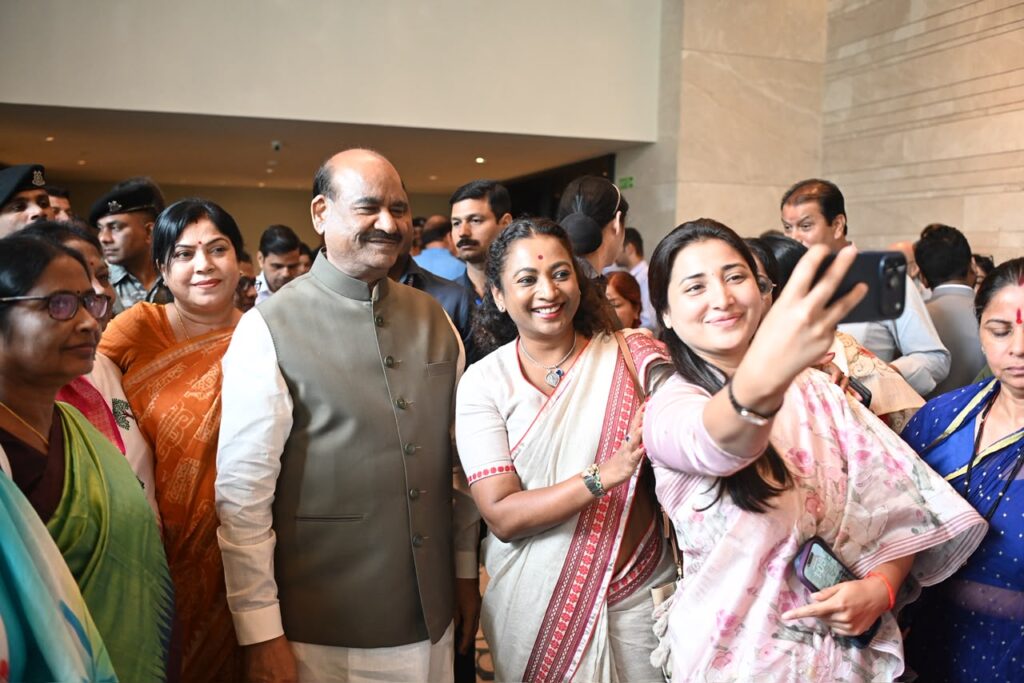
Birla also stressed that India cannot progress toward the goal of a developed nation without the economic and social empowerment of its women, who constitute nearly half of the country’s population. Every woman, he said, should have opportunities for employment, economic independence, and social empowerment. He called upon women legislators to deliberate on effective policies, schemes, and legislative measures that can strengthen women economically and socially, particularly those facing deprivation and hardship. The experiences and successful initiatives of different legislatures, he suggested, should be shared so that best practices can be replicated nationwide. Furthermore, he underlined the need to enhance awareness among women about the laws and institutional mechanisms available to address their concerns, particularly in vulnerable areas.
Noting that women have always been at the forefront of India’s transformation—from the freedom movement and nation-building to strengthening democratic institutions— Birla emphasized that the programme provides an essential platform for women legislators to exchange experiences, ideas, and perspectives, thereby strengthening their leadership capabilities. The participation of women legislators from various States and Union Territories, he noted, demonstrates the significant role they play in giving voice to women’s aspirations through legislative forums, and he urged participants to sharpen their skills to fulfill this mandate.
Emphasizing the importance of dialogue in a vibrant democracy, Birla said that the challenges and aspirations of the people are best addressed through continuous discussion and consultation. He underlined that sensitivity is a core strength of women’s leadership, fostering a deeper understanding of people’s concerns and a greater capacity to find effective solutions. A sensitive and responsive work culture, he added, can contribute significantly to addressing social challenges and strengthening democratic institutions. Advancing women’s leadership, he concluded, must remain a collective resolve, expressing hope that sustained efforts will lead to women increasingly occupying leadership positions across every sphere of national life.





















No Comments: