Trump-Xi Talks Focus on Strait of Hormuz as Iran Conflict Raises Global Energy Concerns
US and China push for stability in key oil shipping route; both leaders oppose nuclear-armed Iran

 The Impressive Times
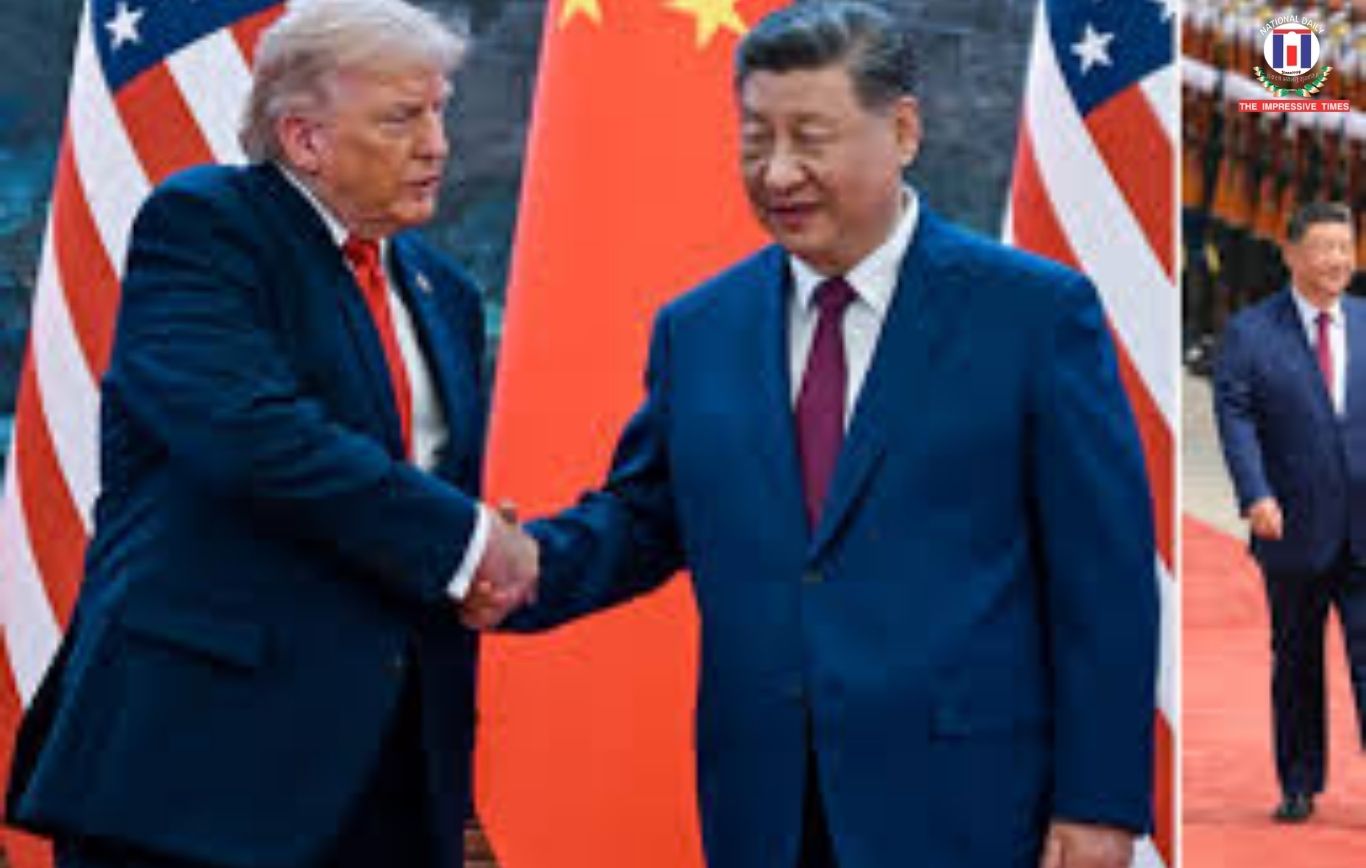
Amid rising tensions linked to the Iran conflict, US President Donald Trump and Chinese President Xi Jinping held high-level discussions in Beijing on Thursday, with the Strait of Hormuz emerging as one of the central issues during the meeting.
According to a statement released by the White House after the bilateral talks, Washington and Beijing agreed that the Strait of Hormuz must remain accessible to ensure uninterrupted global energy supplies. The strategic waterway is considered one of the world’s most important oil transit routes, and any disruption there could severely impact international markets.
The meeting took place during President Trump’s two-day visit to China and covered a wide range of topics including trade, energy cooperation, regional security, and the ongoing tensions involving Iran.
In its official statement, the White House said both nations emphasized the importance of keeping international shipping lanes free from military pressure and instability. China also reportedly opposed any move aimed at turning the Strait of Hormuz into a zone of confrontation or imposing additional costs on vessels using the route.
The statement further noted that President Xi expressed interest in expanding Chinese purchases of American crude oil in the future. Analysts believe such a move could help China diversify its energy imports and reduce risks linked to instability in the Gulf region.
Apart from geopolitical concerns, the Trump-Xi meeting also focused heavily on economic cooperation between the two countries. Senior executives from several major American companies participated in parts of the discussions.
The two sides explored ways to improve market access for US businesses in China and discussed increasing Chinese investments in American industries. Agricultural trade was another major subject, with talks reportedly touching upon higher Chinese imports of US farm products.
The White House added that both leaders reviewed ongoing efforts to curb the supply of fentanyl-related chemicals entering the United States. The issue has remained a major point of concern in US-China relations over the past few years.
During the discussions, both Washington and Beijing also reportedly agreed that Iran should never be allowed to obtain nuclear weapons. The statement signals a rare point of convergence between the two global powers despite broader strategic competition.
Experts say the joint emphasis on securing the Strait of Hormuz reflects growing fears that escalating tensions in the Middle East could trigger volatility in global oil prices and disrupt energy markets worldwide.














































No Comments: