Turmeric Purity Test: Simple Home Tricks to Check if Your Haldi is Pure or Adulterated
Turmeric Purity Test: Simple Home Tricks to Check if Your Haldi is Pure or Adulterated

 The Impressive Times
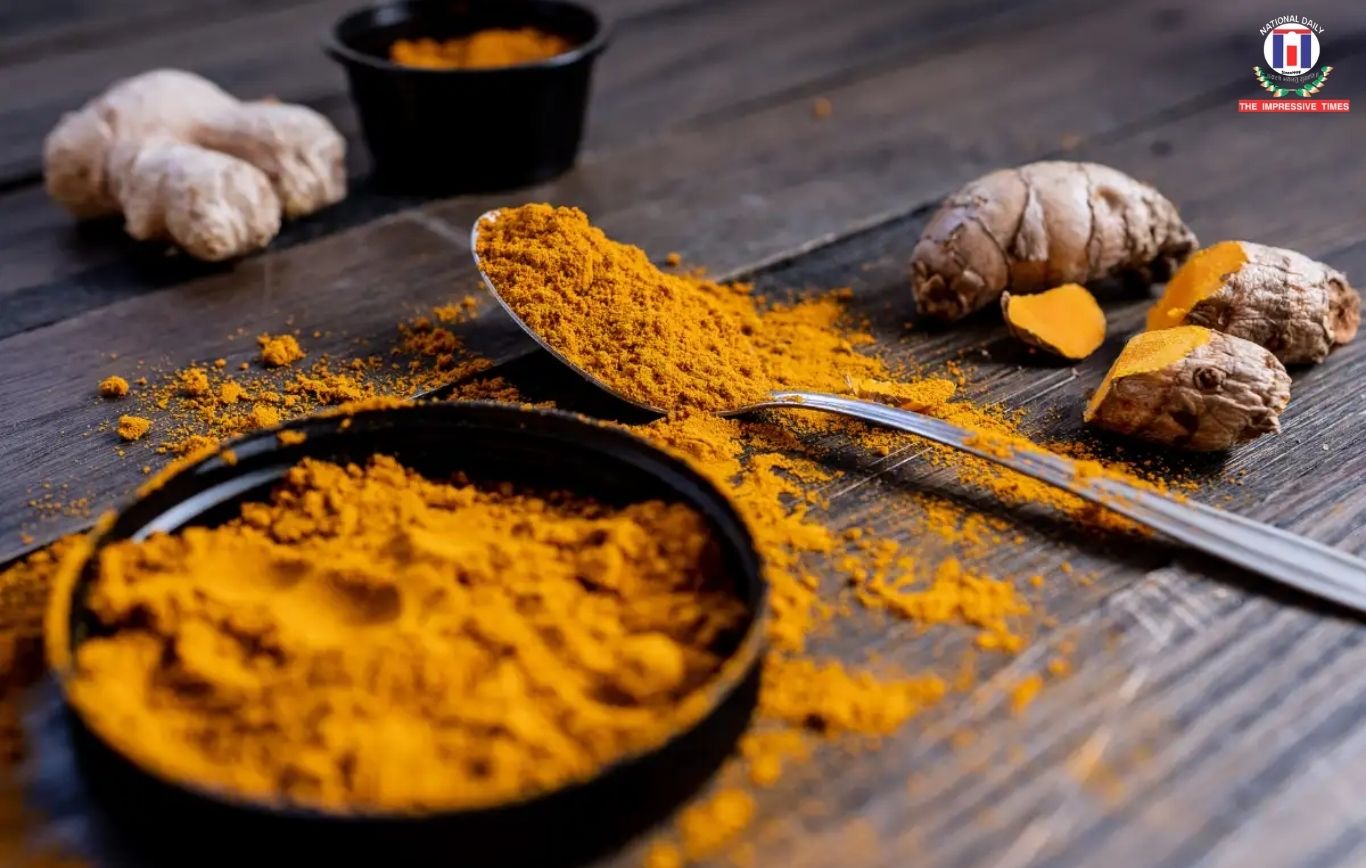
Turmeric is one of the most commonly used spices in Indian kitchens. From curries and dals to traditional remedies, haldi is valued for its flavor, bright color, and medicinal benefits. However, rising cases of food adulteration have raised serious concerns over the quality of turmeric being sold in markets.
Recently, reports from parts of Madhya Pradesh claimed that some people fell ill after using turmeric during wedding rituals, bringing the issue of chemical adulteration back into focus. Experts say many turmeric powders available in the market may contain artificial colors and harmful substances that can pose health risks if consumed regularly.
To make turmeric look more vibrant and appealing, some manufacturers allegedly mix synthetic dyes and chemicals such as Metanil Yellow and Lead Chromate. Low-grade starch, chalk powder, and inferior turmeric varieties are also sometimes blended to increase quantity and reduce production costs.
These substances may negatively impact health over time and can lead to digestive problems, food poisoning, nausea, and stomach discomfort.
One of the simplest methods to identify adulterated turmeric can be done at home using lukewarm water.
Another quick household trick involves rubbing turmeric on your palm.
Food experts warn that chemicals like Metanil Yellow are unsafe for consumption. In laboratory-style testing, turmeric mixed with hydrochloric acid may turn pink if such adulterants are present.
Similarly, the presence of chalk powder can sometimes be identified if bubbles form after mixing turmeric with acid and water.
Health experts advise consumers to remain cautious while buying spices, especially products that appear excessively bright in color.
Experts believe that although turmeric is consumed in small quantities daily, long-term intake of adulterated spices can affect overall health. Simple home tests can help consumers stay alert and avoid unsafe products.
















































No Comments: