Lumbini Emerges as Soft Power Bridge Strengthening India Nepal Ties in Changing Geopolitics
Shared Buddhist heritage offers New Delhi and Kathmandu a strategic opportunity to deepen cooperation amid regional competition and shifting political landscape.Shared Buddhist heritage offers New Delhi and Kathmandu a strategic opportunity to deepen cooperation amid regional competition and shifting political landscape.Shared Buddhist heritage offers New Delhi and Kathmandu a strategic opportunity to deepen cooperation amid regional competition and shifting political landscape.Shared Buddhist heritage offers New Delhi and Kathmandu a strategic opportunity to deepen cooperation amid regional competition and shifting political landscape.Shared Buddhist heritage offers New Delhi and Kathmandu a strategic opportunity to deepen cooperation amid regional competition and shifting political landscape.Shared Buddhist heritage offers New Delhi and Kathmandu a strategic opportunity to deepen cooperation amid regional competition and shifting political landscape.Shared Buddhist heritage offers New Delhi and Kathmandu a strategic opportunity to deepen cooperation amid regional competition and shifting political landscape.Shared Buddhist heritage offers New Delhi and Kathmandu a strategic opportunity to deepen cooperation amid regional competition and shifting political landscape.Shared Buddhist heritage offers New Delhi and Kathmandu a strategic opportunity to deepen cooperation amid regional competition and shifting political landscape.
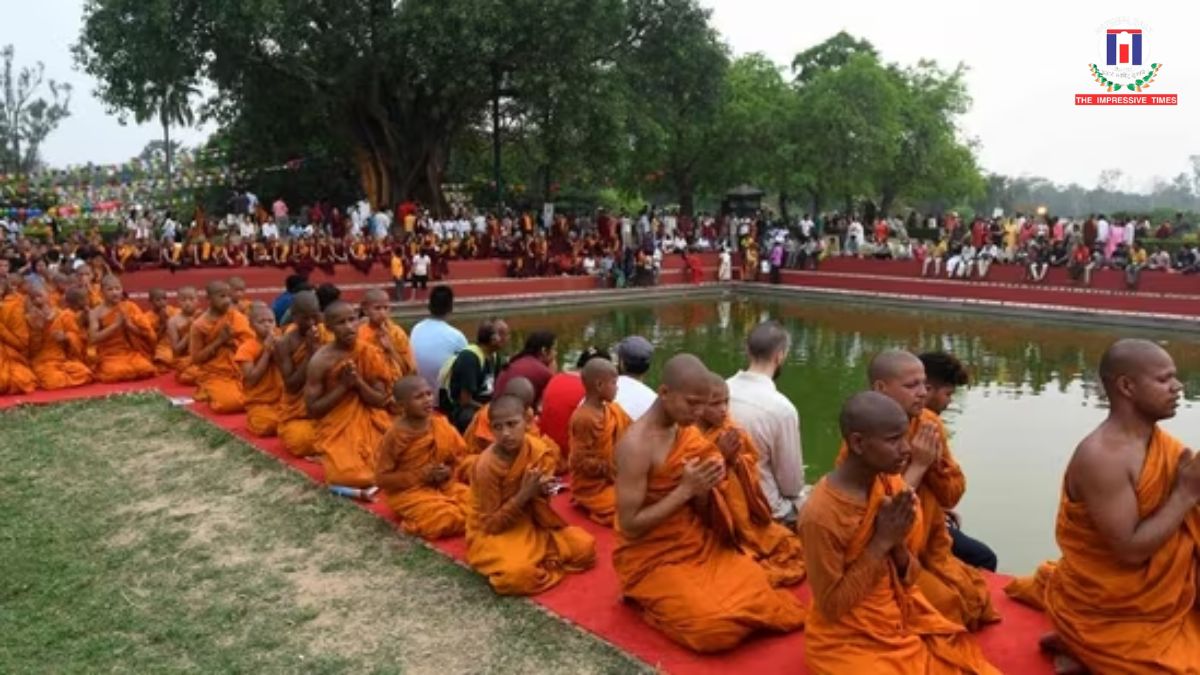
New Delhi- In an era where global influence is increasingly shaped by cultural and ideological appeal, the development of Lumbini is being seen as a key opportunity to strengthen ties between India and Nepal. The birthplace of Gautama Buddha holds immense religious and diplomatic significance, positioning it as a central pillar of soft power collaboration in South Asia.
Located in Nepal’s Terai region, Lumbini is one of the holiest pilgrimage sites in Buddhism, alongside Indian locations such as Bodh Gaya, Sarnath, and Kushinagar. The ongoing development of the International Centre for Buddhist Culture and Heritage, jointly supported by both nations, reflects a broader effort to translate shared civilisational links into strategic cooperation.
Experts note that such initiatives align with India’s “Neighbourhood First” policy, leveraging cultural diplomacy to build stronger regional partnerships. The project is also expected to boost religious tourism, create economic opportunities, and enhance people-to-people connections between the two countries.
The initiative gains further importance amid growing regional competition, particularly with China’s increasing engagement in Nepal through infrastructure and cultural projects linked to its Belt and Road Initiative. While Beijing has attempted to expand its footprint in Lumbini through proposed large-scale developments and forums, India’s approach has focused on heritage-driven collaboration rooted in shared history and faith.
Recent political developments in Nepal, including the emergence of a new leadership under Prime Minister Balendra Shah, have opened fresh avenues for engagement. Observers believe this presents an opportunity for both countries to deepen cooperation in areas such as tourism infrastructure, cultural exchange, and cross-border connectivity.
At the same time, analysts suggest that addressing gaps such as local community involvement, sustainable infrastructure, and easier cross-border travel could further enhance the impact of the Lumbini project. Strengthening these aspects would not only improve the pilgrimage experience but also ensure that the benefits of development reach grassroots levels.
As South Asia navigates a complex geopolitical environment, Lumbini stands out as a symbol of shared heritage and peaceful cooperation, offering India and Nepal a platform to reinforce their long-standing relationship through cultural diplomacy rather than competition.


























No Comments: