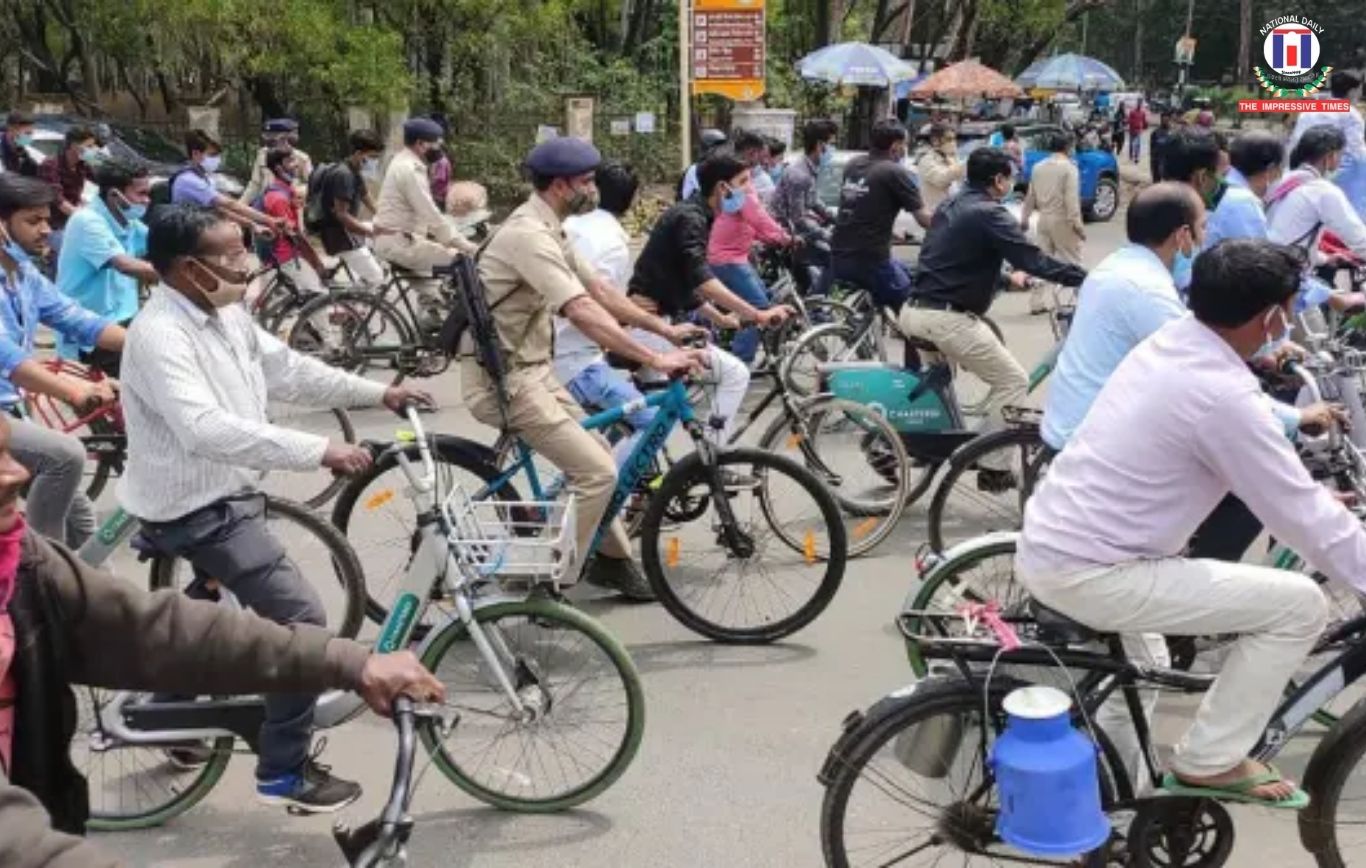
New Delhi May 15 2026: Every day, lakhs of working class commuters in Delhi depend on bicycles to travel from the city’s outer regions to major industrial and commercial hubs, navigating some of the capital’s busiest and most dangerous roads in the absence of dedicated cycling infrastructure.
A closer look at Delhi’s primary cycling corridors reveals that cyclists often share congested roads with high speed vehicles, exposing them to constant risks from aggressive motorists and unsafe traffic conditions. Women cyclists, in particular, face heightened vulnerability as dangerous driving frequently forces them toward the edge of the road, increasing safety concerns.
Despite the critical role bicycles play in supporting affordable mobility for thousands of low income workers, the city currently lacks a large scale cycle lane development strategy capable of providing secure and accessible commuting routes.
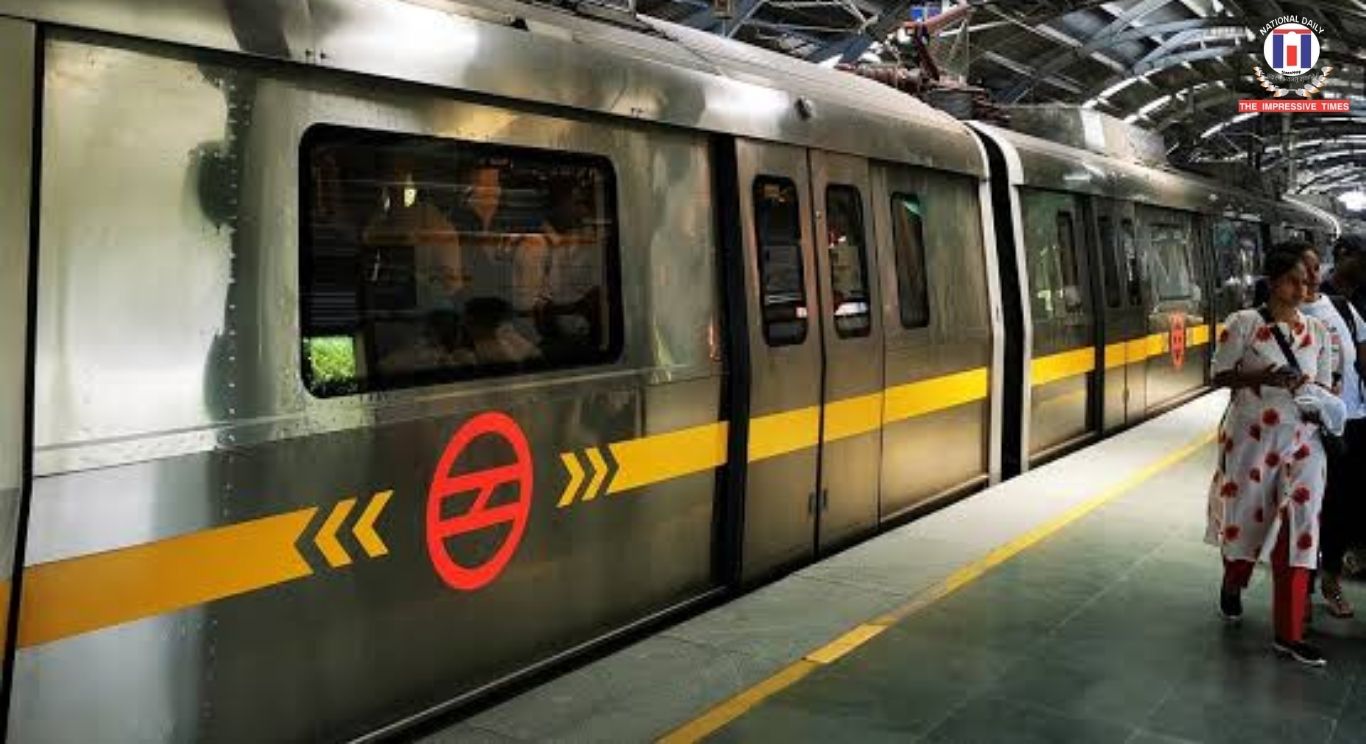
For many daily riders, cycling remains an economic necessity rather than a lifestyle choice, yet infrastructure planning has largely failed to match the scale of this dependence. Urban mobility experts argue that the absence of protected lanes not only endangers cyclists but also overlooks an important sustainable transport solution for one of India’s most congested cities.
The issue highlights growing concerns over road safety, urban planning inequality, and the need for more inclusive transportation policies that prioritise both environmental sustainability and commuter welfare.
















































No Comments: