Congo Ebola Outbreak Claims 930 Lives as Health Crisis Deepens
Authorities intensify containment efforts as infections rise and attacks on healthcare workers hamper emergency response.

 The Impressive Times
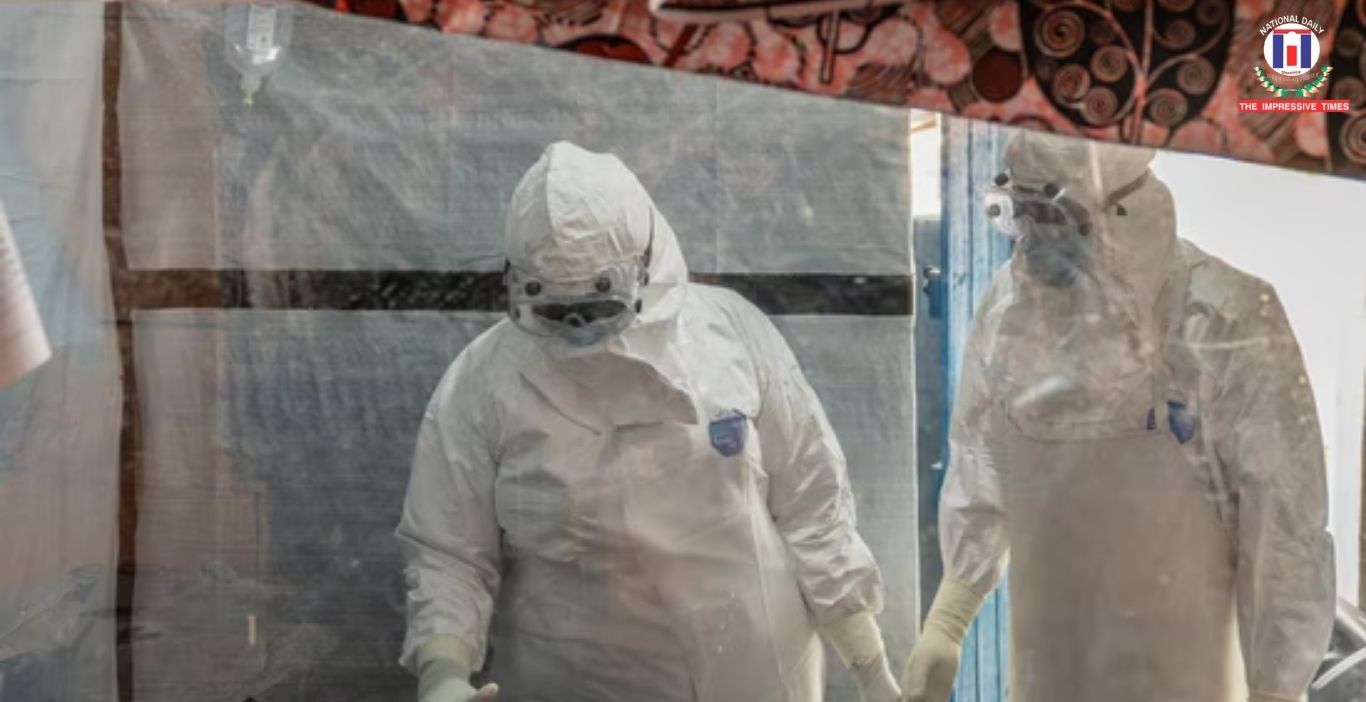
Kinshasa: The Ebola outbreak in the Democratic Republic of Congo continues to worsen, with the country’s health authorities confirming that the death toll has climbed to 930. Officials said the fatalities are linked to more than 2,300 confirmed infections, highlighting the rapid spread of the disease since the outbreak was declared in May.
According to the latest update from the Ministry of Health, dozens of new deaths were reported within a single day, reflecting the increasing severity of the public health emergency. The outbreak has become one of the fastest-growing Ebola crises ever recorded in the country.
The current epidemic is being driven by the Bundibugyo strain of the Ebola virus, a relatively uncommon variant for which no approved vaccine or specific treatment is currently available. This has made disease control efforts significantly more challenging for health authorities.
The eastern province of Ituri remains the worst-affected region. Medical teams working in the area are facing serious operational difficulties due to ongoing security concerns, limiting access to affected communities and slowing the delivery of healthcare services.
Health officials have also reported repeated attacks on medical facilities and response teams since the outbreak began. These security incidents, combined with protests by healthcare workers over delayed salaries, have disrupted surveillance, treatment and contact-tracing operations.
The outbreak has also taken a heavy toll on frontline medical personnel. Dozens of healthcare workers have contracted the virus while treating patients, and several have lost their lives during the response effort.
Authorities said 724 patients are currently receiving treatment or remain under medical isolation as response teams continue to strengthen testing, surveillance and patient care in the affected health zones.
International health agencies are closely monitoring the situation, while Congolese authorities have urged communities to cooperate with public health measures aimed at containing the spread of the virus.









































No Comments: