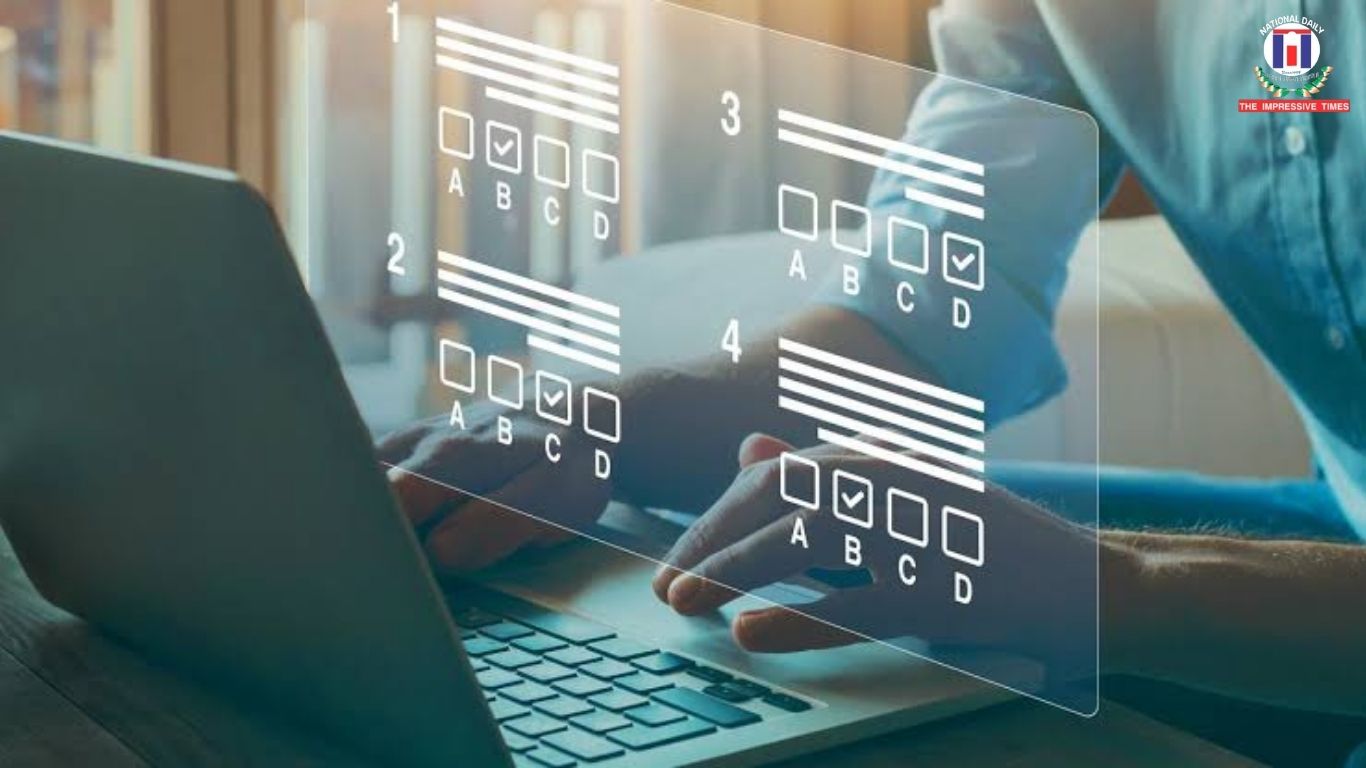
The IELTS computer-based exam will become the only testing format in India from September 2026, marking a major change for students planning to study, work or migrate abroad. The transition will replace the traditional paper-based test after the final scheduled examinations in August 2026.
The transition is expected to modernize the examination process while offering candidates greater convenience, increased flexibility in choosing test dates, and faster access to results. The updated testing model is designed to meet the evolving needs of students seeking higher education, employment and migration opportunities abroad, where digital assessments are becoming increasingly common.
Under the revised format, candidates will complete the Listening, Reading and Writing sections using a computer at the test centre. However, the Speaking test will continue to follow the existing format, with candidates participating in a face-to-face interview conducted by a certified IELTS examiner. Experts believe retaining the in-person Speaking assessment will ensure accurate evaluation of communication skills while maintaining the credibility of the examination.
The computer-based IELTS is expected to provide a smoother testing experience through user-friendly features such as on-screen navigation, easy question review, highlighting tools, note-taking options and the ability to edit responses more efficiently. Test centres will also provide necessary instructions before the examination to help candidates become comfortable with the digital interface.
Education consultants say the move reflects the rapid global shift toward technology-enabled assessments and aligns India’s IELTS testing system with international practices. They believe students who are already accustomed to using computers for academic work and competitive examinations may find the digital format more convenient than writing lengthy answers by hand.
Another key advantage of the computer-based examination is the quicker processing of results. Candidates are expected to receive their scores sooner than under the paper-based system, enabling them to meet university admission deadlines, scholarship applications and visa requirements more efficiently. The increased frequency of computer-based test sessions is also likely to provide students with greater flexibility in selecting examination dates that suit their academic and travel plans.
Experts recommend that aspirants spend time practicing on official computer-based mock tests before appearing for the examination. Familiarity with typing, navigating between questions, managing time on a computer screen and understanding the digital layout can significantly improve confidence on test day. Many coaching institutes have already begun introducing computer-based practice sessions to help students adapt to the new format.














































No Comments: