Monsoon Diet: Best Foods to Eat During the Rainy Season for Better Health
A balanced monsoon diet can strengthen immunity, improve digestion and help protect against seasonal infections during the rainy season.

 The Impressive Times
TIT Correspondent
info@impressivetimes.com
Following a healthy monsoon diet is one of the simplest ways to stay fit and reduce the risk of illnesses during the rainy season. Increased humidity, fluctuating temperatures and a higher chance of food and water contamination can affect digestion and weaken the immune system. Experts recommend eating freshly prepared meals, drinking clean water and choosing seasonal, nutrient-rich foods to help the body fight infections naturally.
A well-planned monsoon diet should include plenty of seasonal fruits such as apples, pears, pomegranates and jamun, which are packed with vitamins, antioxidants and fibre. These fruits help strengthen the immune system and provide essential nutrients needed to keep the body healthy. Since fruits can carry dirt and bacteria during the rainy season, they should always be washed thoroughly before consumption.
Warm, freshly cooked meals are considered the best choice during the monsoon. Vegetable soups, homemade dals, khichdi and lightly cooked vegetables are easier to digest and reduce the chances of stomach infections. Vegetables such as bottle gourd, pumpkin, beans, carrots and ridge gourd provide vitamins and minerals while being gentle on the digestive system. Proper cooking also helps eliminate harmful microorganisms that may be present in raw produce.
Protein-rich foods are equally important during this season as they support tissue repair and strengthen the body’s natural defence system. Eggs, paneer, lentils, chickpeas, fish and lean chicken can be included in daily meals according to individual dietary preferences. Whole grains such as brown rice, oats, millets and whole wheat are also beneficial because they provide sustained energy and promote better digestion throughout the day.
Traditional Indian spices can also contribute to a healthy monsoon diet. Ingredients like turmeric, ginger, garlic, black pepper and cumin are widely used in Indian cooking and are known for their natural health-supporting properties. While they should not be viewed as medicines, incorporating these spices into regular meals can complement a balanced diet and overall healthy lifestyle.
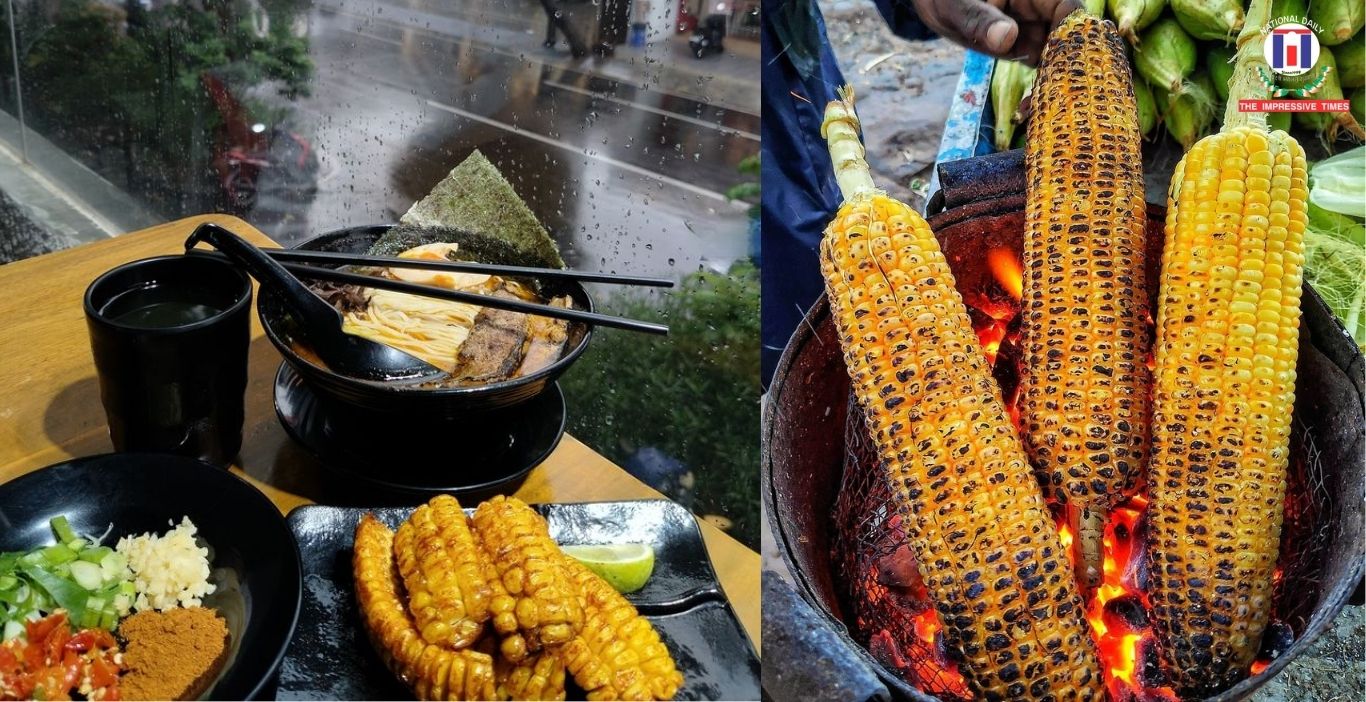
At the same time, health experts advise avoiding street food, uncovered snacks, stale leftovers and cut fruits sold in the open, as these foods are more likely to become contaminated during the rainy season. Drinking boiled or filtered water, maintaining proper kitchen hygiene and eating freshly cooked meals can significantly reduce the risk of foodborne illnesses.
Maintaining a healthy monsoon diet is not only about choosing the right foods but also about following good eating habits. Eating balanced meals, staying hydrated, getting enough sleep and engaging in regular physical activity can help improve immunity and overall well-being. By making simple and mindful food choices, individuals can enjoy the rainy season while keeping themselves protected from common seasonal health problems.










































No Comments: