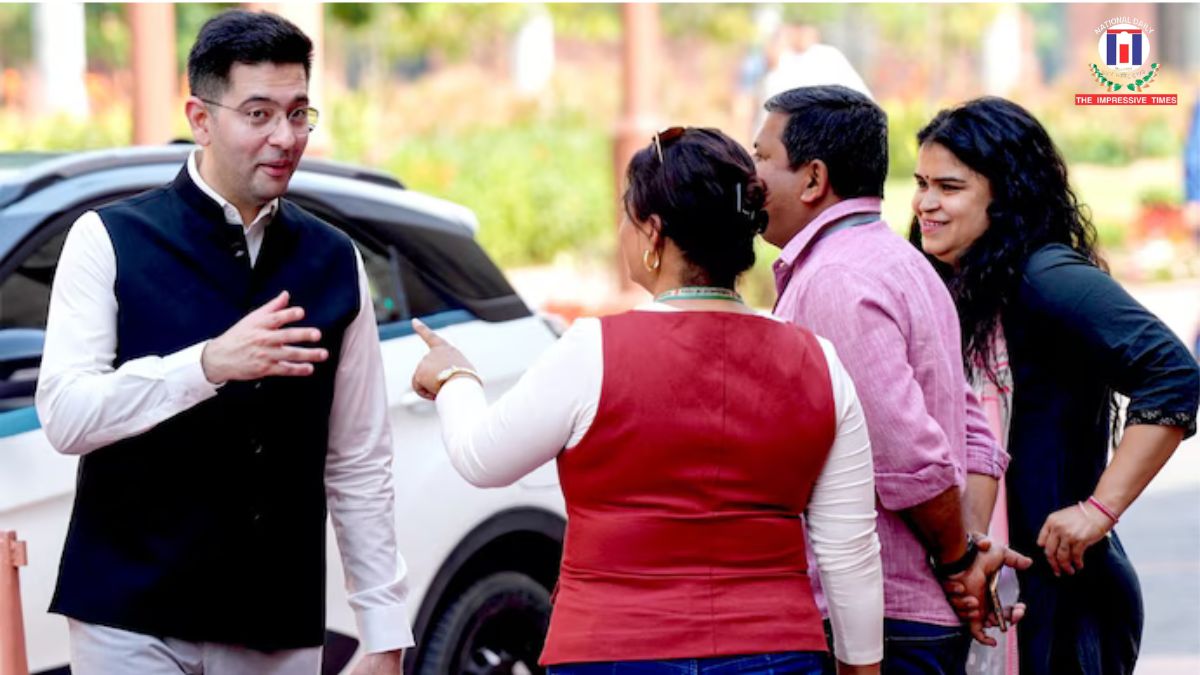
A sudden political shift by Raghav Chadha has triggered a strong reaction online, with his social media presence witnessing a sharp decline within hours. The Rajya Sabha MP, who recently exited the Aam Aadmi Party to join the Bharatiya Janata Party, reportedly lost close to one million followers on Instagram in less than 24 hours.
Data circulating online suggests that Chadha’s follower count dropped significantly—from around 14.6 million to nearly 13.5 million—soon after news of his political transition broke. The development has fueled discussions about the growing influence of young voters and digital audiences in shaping political narratives.
Political observers believe the reaction is largely driven by Gen Z users, who had earlier formed a significant portion of Chadha’s online support base. Known for raising relatable, everyday issues—from telecom data pricing to gig economy challenges—Chadha had built an image that resonated strongly with younger audiences.
However, his decision to align with the BJP appears to have unsettled a section of these supporters. Social media platforms, particularly Instagram, saw a surge in posts and comments encouraging users to unfollow the leader. A trending hashtag campaign further amplified the sentiment, reflecting how quickly digital approval can shift.
Chadha’s earlier initiatives, including engaging with delivery workers and addressing lifestyle concerns often ignored in mainstream politics, had positioned him as a modern, accessible face in Parliament. His approach helped bridge the gap between traditional policymaking and youth-centric issues.
Interestingly, speculation had once suggested that Chadha might explore launching an independent political platform focused on younger voters. Instead, his move to an established national party has reshaped that narrative entirely.
Amid the backlash, several users claimed that older posts critical of the BJP and Prime Minister Narendra Modi were no longer visible on Chadha’s profile. While not officially confirmed, such observations have added another layer to the ongoing online debate.
Leaders from his former party have also pointed to these changes, intensifying the political discourse surrounding his switch.
While follower counts are often seen as a measure of influence in today’s digital age, they can fluctuate rapidly—especially during major political developments. The coming days will likely determine whether Chadha can regain his footing among younger audiences or if this shift marks a longer-term change in his public perception.
The episode underlines a larger trend: in the era of social media, political decisions are no longer judged only at the ballot box, but also in real time by millions of online users.



































No Comments: