A City of Birds: Delhi’s First Urban Atlas Completes Year One
From drains to wetlands, a year-long effort led by citizens is transforming how the capital sees its ecology


 The Impressive Times
New Delhi: In the heart of one of the world’s most densely populated cities, a quiet ecological transformation is taking place —powered not by high-tech labs or satellite imagery, but by binoculars, bird checklists, and citizen resolve.
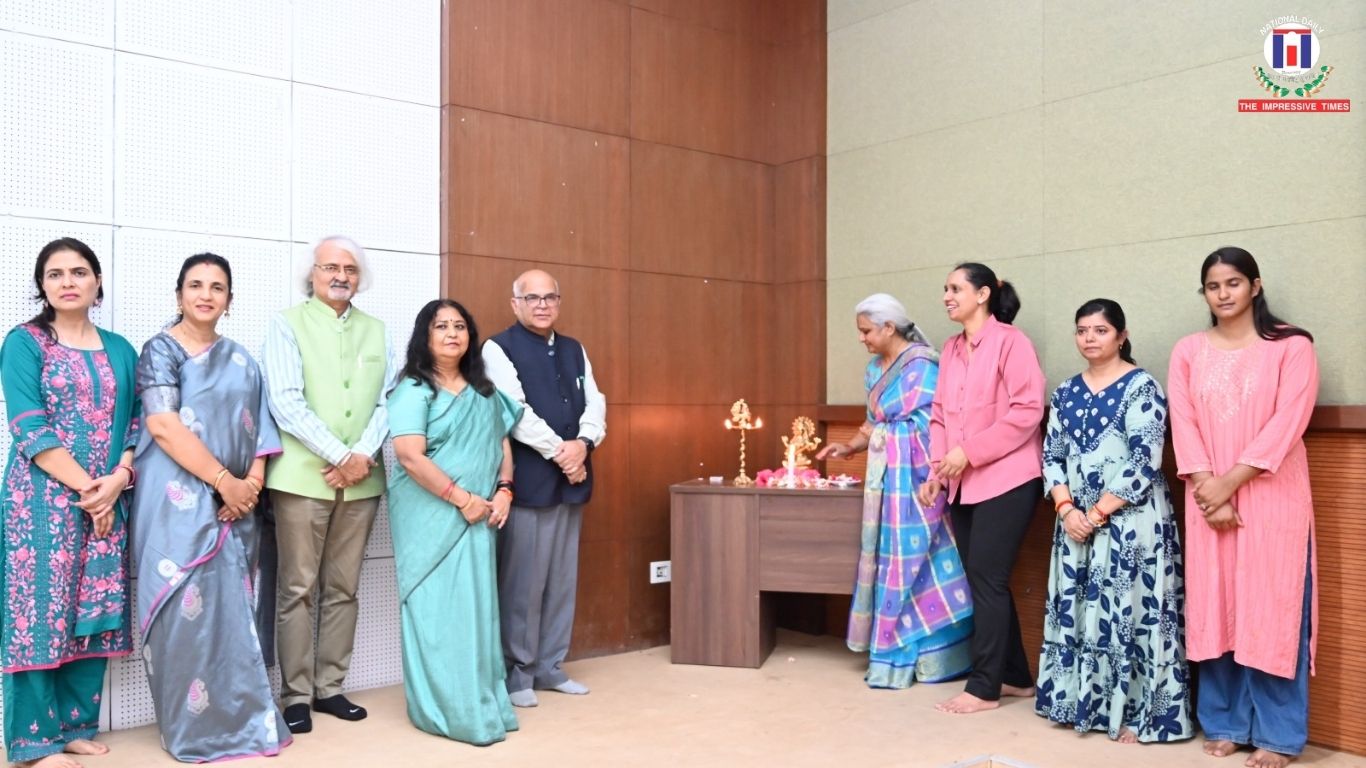
The Delhi Bird Atlas, a city-wide initiative to systematically document the capital’s avifauna, marked the completion of its first full year this week, with a gathering of over 150 birders, forest officials, researchers, and NGOs at the WWF Auditorium, Lodhi Road. In just 12 months, the Atlas has mobilised over 200 volunteers, generated 1150 eBird checklists, and mapped more than 221 bird species — across wetlands, ridge forests, drains, urban villages, slums, and high-rise colonies.
Delivering the keynote address at the event, Shyam Sunder Kandpal, IFS, Delhi’s Chief Wildlife Warden, called the Atlas “one of the most comprehensive citizen science efforts ever undertaken in an Indian city,” emphasizing the Forest Department’s commitment to support and scale the initiative in its second year. He added, “ Delhi Bird Atlas has been doing a lot of good work and they have our full support. This data will be very important in the coming days and is a testament of the enthusiasm and commitment of Delhi birding community and citizens who deeply care about the biodiversity of the national capital.”
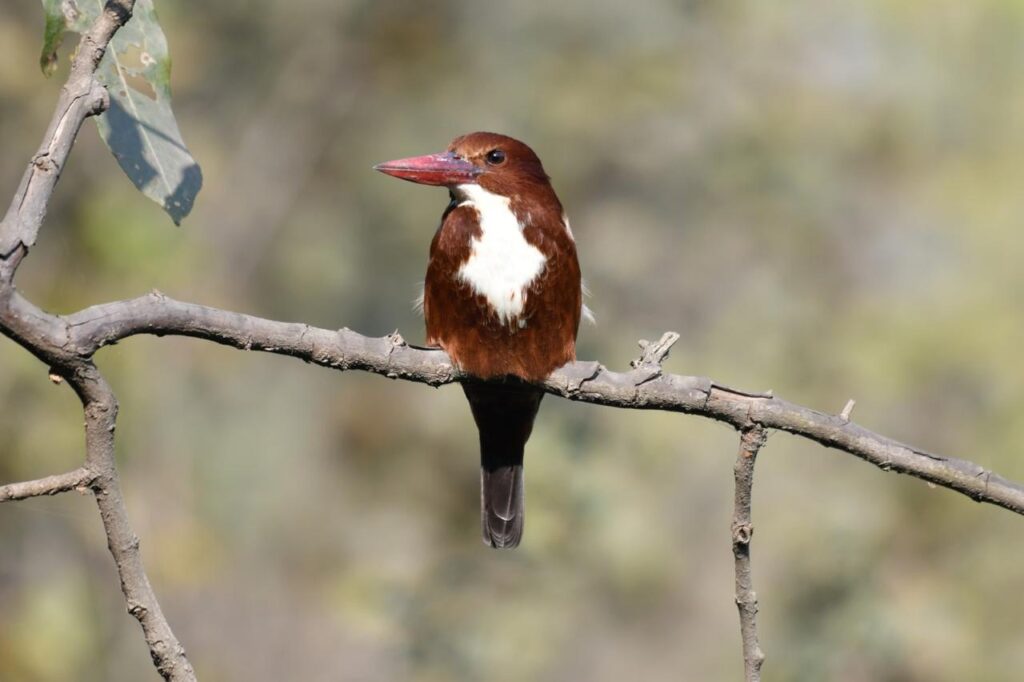
Also present at the event was , Jabestin A, IFS Conservator of Delhi Forests, said: “ I have been part of other bird atlases in India but the Delhi Bird Atlas is unique as it has managed to cover 100 percent of the subcells in the first year in itself. The dedication of the birders is clearly visible in the outcomes and the Atlas is showing us how cities like Delhi can build powerful ecological datasets through local knowledge and collaborative design.”
Unlike one-off bird counts, the Atlas follows a seasonal, grid-based methodology that enables researchers to track temporal trends, habitat-level changes, and migratory patterns with greater resolution. And crucially, the data is open and contributed to the eBird global platform, making Delhi one of few megacities with a growing public dataset on urban birdlife.
The event titled “Delhi Bird Atlas: Year One in Review – A Celebration of Citizen Science” featured:
• Highlights from winter and summer surveys
• A citizen science quiz with participation from first-time volunteers to seasoned ecologists
• Visual displays of species trends and urban cluster data
• Discussions on community-driven monitoring and atlas expansion into RWAs, schools, and ward-level planning
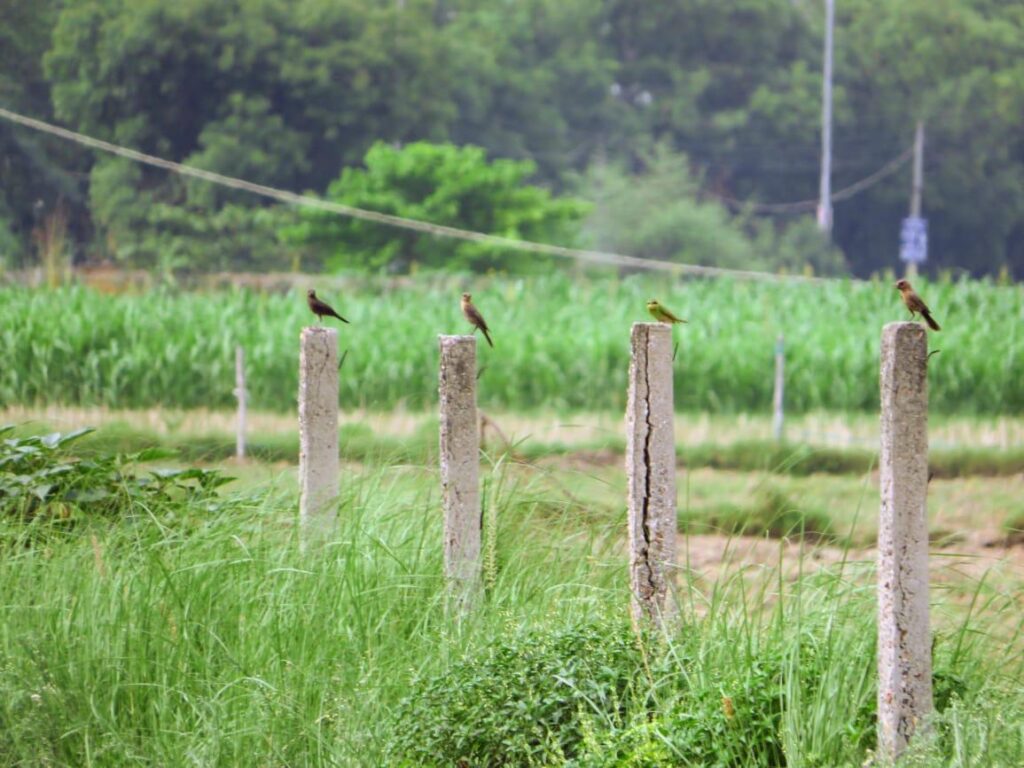
“This is field ecology, ground-up, happening in the middle of one of India’s most important urban spaces,” said Dr Akash Gulalia one of the senior birders, adding, “The Atlas not only tracks birdst’s beginning to reshape how we understand urban green spaces.”
The event closed with a felicitation of core volunteers, team leads, and partners — including Bird Count India, Delhi Forest Department, WWF-India, Wildlife SOS, and Asian Adventures, with a promise to engage more volunteers in its second year.
With its replicable format, low-cost implementation, and strong local ownership, the Delhi Bird Atlas now stands as a living model for urban biodiversity monitoring in India.
Supported by organizations including Delhi Forest Department, Bird Count India, WWF-India, Delhi bird Foundation, Dial (Delhi International Airport Limited), Asian Adventures, Wildlife SOS, and other conservation partners, the Delhi Bird Atlas promises to be a landmark initiative for the city.































No Comments: