India Set for Next Phase of Project Kusha as Three Indigenous Interceptors Prepare for Flight Trials
Three indigenous long-range interceptor missiles under Project Kusha are set for crucial flight trials, advancing Mission Sudarshan Chakra and strengthening India's multi-layered air defence capability against evolving aerial threats.
New Delhi, July 24, 2026;
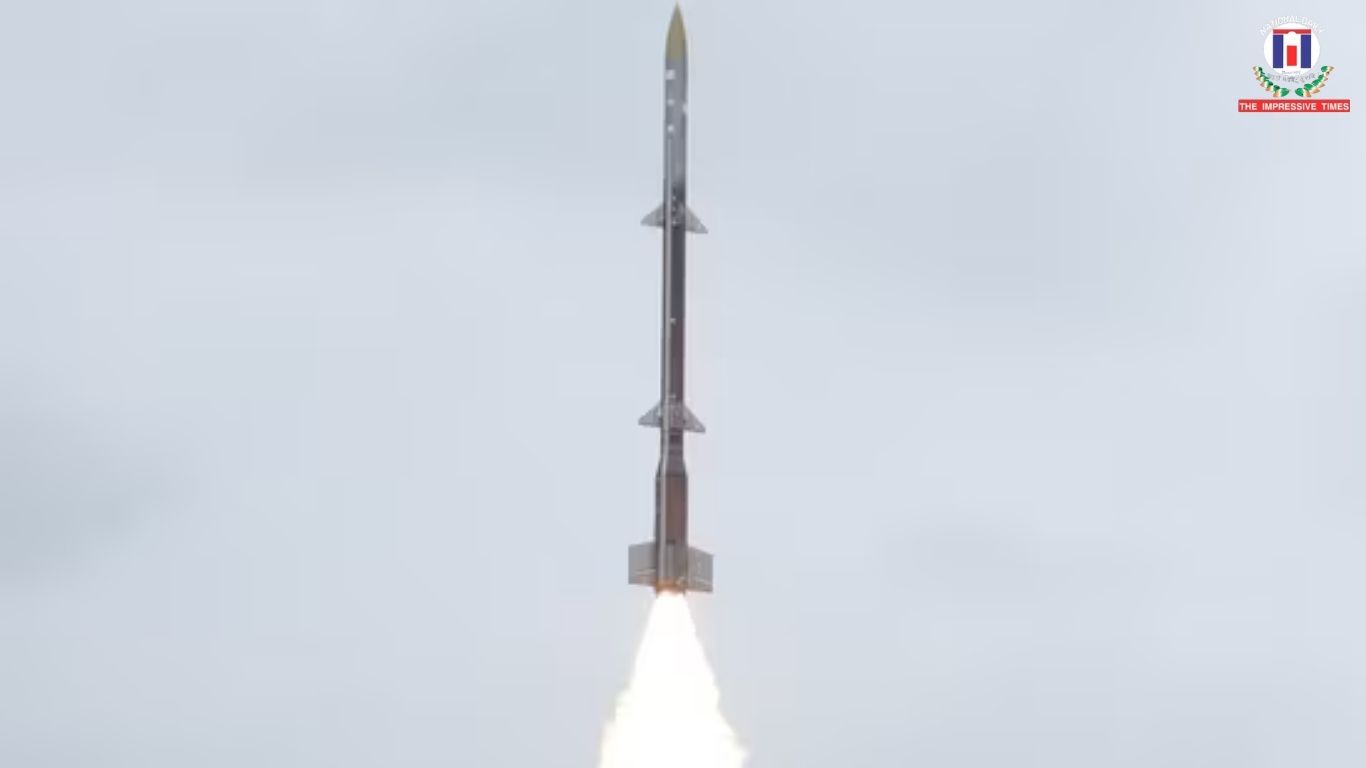
India is preparing to conduct a fresh series of flight trials for three variants of its indigenous long-range air defence interceptors under Project Kusha, marking a significant milestone in the country’s Mission Sudarshan Chakra. The upcoming tests are expected to strengthen India’s efforts to build a multi-layered air defence network capable of protecting strategic assets from a wide range of aerial threats.
The three interceptor variants, developed by the Defence Research and Development Organisation (DRDO), are designed to engage hostile aircraft, cruise missiles, drones and other airborne targets at different ranges and altitudes. Together, they are intended to fill the capability gap between India’s existing medium-range air defence systems and the Russian-origin S-400 missile shield already in service.
Project Kusha is a key component of Mission Sudarshan Chakra, an ambitious initiative aimed at creating a robust indigenous air defence architecture with multiple interception layers. Defence planners expect the system to significantly enhance India’s ability to detect, track and neutralise complex aerial threats while reducing dependence on imported missile defence platforms.
Officials believe the successful completion of these flight trials will accelerate the programme’s development timeline and move the missile system closer to induction into the armed forces in the coming years. The project also reflects India’s broader push towards self-reliance in advanced defence technologies under the Atmanirbhar Bharat initiative.













































No Comments: