US Ends Oil Waivers: What It Means for India’s Russian Crude Strategy
New Delhi may need to recalibrate energy sourcing as Washington tightens sanctions on Russia and Iran

 The Impressive Times
India could soon face fresh challenges in securing energy supplies after the United States announced it will not extend special waivers that had allowed countries to continue buying oil from Russia and Iran without facing sanctions.
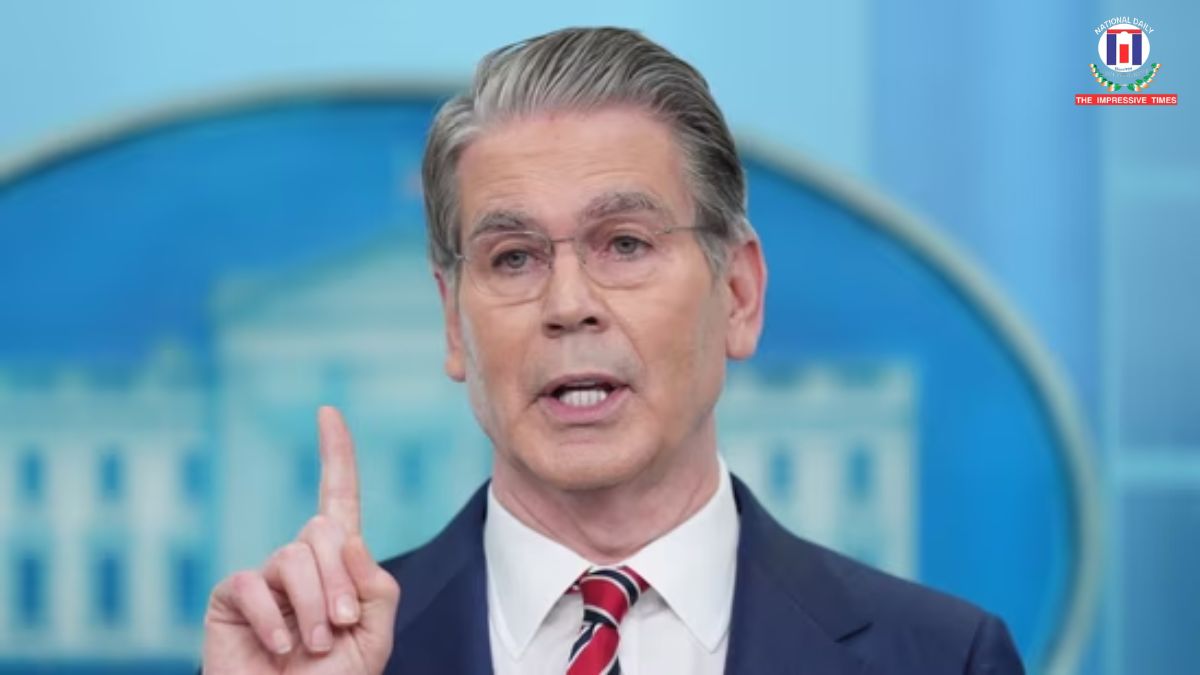
The decision, confirmed by Scott Bessent, marks a significant shift in Washington’s policy and could directly impact India, one of the largest importers of discounted Russian crude in recent years.
The exemptions had enabled India to ramp up oil purchases at a time when global markets were volatile. With access to relatively cheaper Russian supplies, New Delhi was able to manage costs despite rising energy prices worldwide.
Data from recent reports indicate that India sharply increased its imports from Russia, making it one of the top buyers of Russian fossil fuels. Crude oil formed the bulk of these purchases, highlighting the importance of the waiver for India’s energy security.
With the waiver no longer in place, India may need to reassess its procurement strategy. The move could force refiners to diversify supply sources or engage in complex negotiations to maintain existing arrangements without triggering sanctions.
Additionally, a similar temporary relaxation on Iranian oil imports is also nearing its end, further tightening India’s options.
Compounding the situation is the growing tension around the Strait of Hormuz — a critical route through which a large portion of India’s oil imports pass. Any disruption in this region could have a direct impact on supply chains.
India relies on imports for more than 85% of its crude oil needs, making it particularly vulnerable to geopolitical shocks. It is currently among the world’s largest oil importers.
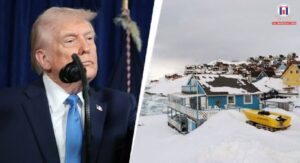
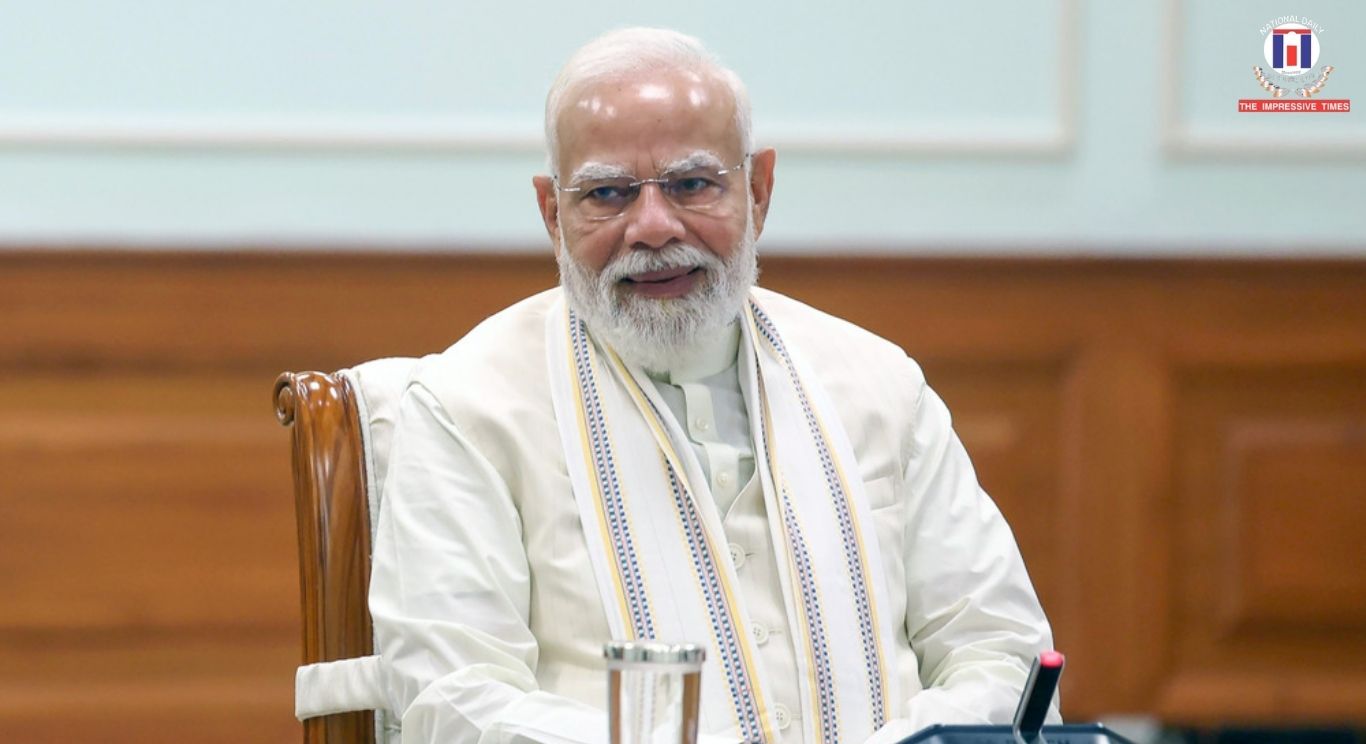
In the backdrop of these developments, Narendra Modi and Donald Trump recently held discussions focusing on the situation in West Asia, including the importance of keeping key shipping routes open.
PM Modi took to X to share the update, saying, “Received a call from my friend President Donald Trump. We reviewed the substantial progress achieved in our bilateral cooperation in various sectors. We are committed to further strengthening our Comprehensive Global Strategic Partnership in all areas. We also discussed the situation in West Asia and stressed the importance of keeping the Strait of Hormuz open and secure.”
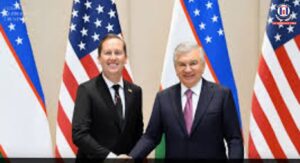
Sergio Gor described the conversation as constructive and hinted at upcoming announcements related to bilateral cooperation, particularly in the energy sector.
Meanwhile, Hardeep Singh Puri also indicated that talks between India and the US on strengthening energy ties are progressing.
With tightening sanctions and rising geopolitical tensions, India is likely to explore alternative sourcing strategies, strengthen diplomatic engagements, and secure long-term energy deals to ensure stability.
The coming weeks could prove crucial as New Delhi navigates a complex global energy landscape shaped by politics, supply risks, and price volatility.

























No Comments: