Iran Signals No Retreat From Strait of Hormuz as US Tightens Maritime Blockade
Top adviser says Tehran will stand firm until its economic and strategic interests are protected

 The Impressive Times
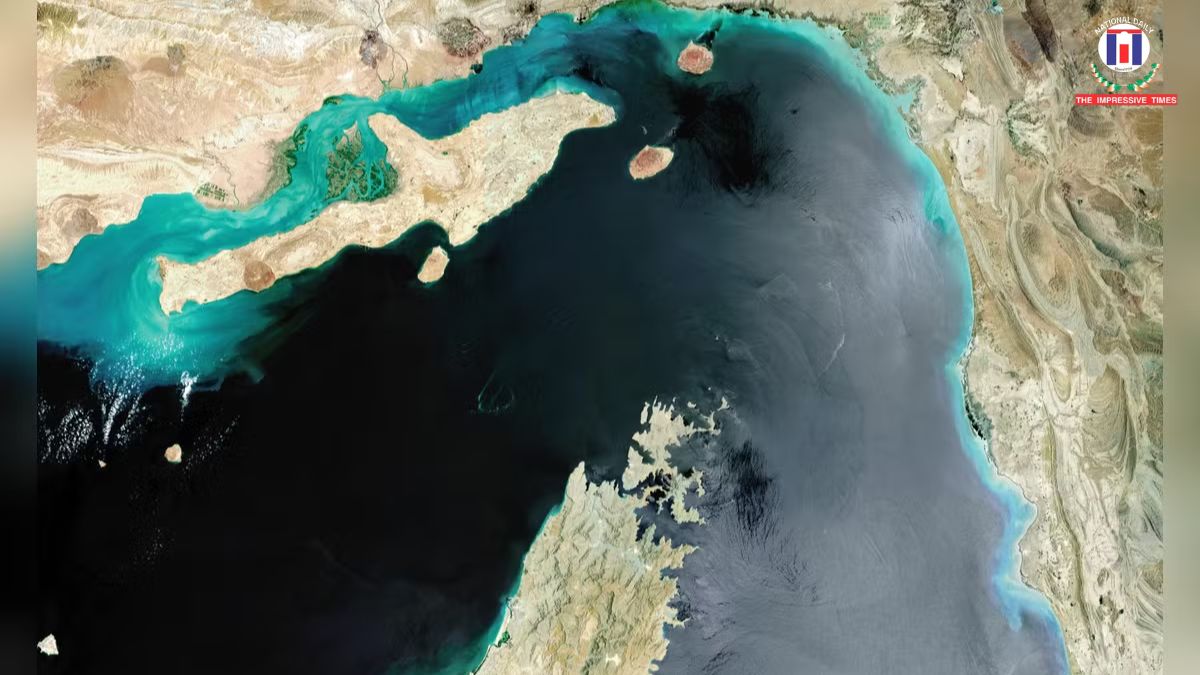
Tensions between Iran and the United States have intensified, with Tehran indicating it will continue asserting its presence in the strategically vital Strait of Hormuz despite increasing military pressure.
Mohsen Rezaei, a senior adviser to Iran’s Supreme Leader and a former commander of the Islamic Revolutionary Guard Corps, stated that Iran would not withdraw from the key waterway until its national interests are safeguarded.
He emphasized that Tehran views the Strait as a crucial leverage point in its ongoing standoff with Washington, particularly in response to what it describes as restrictions targeting its trade and maritime activities.
Rezaei also suggested that Iran is prepared for prolonged confrontation, contrasting it with what he described as the US reluctance for extended conflict. He further indicated that future negotiations would reflect stronger Iranian terms, especially concerning economic guarantees.
The Strait of Hormuz remains one of the world’s most critical oil transit routes, with a significant portion of global crude supply passing through it daily. Its importance has made it a focal point in the current geopolitical standoff.
Meanwhile, the United States Central Command (CENTCOM) announced that it has implemented a wide-ranging maritime blockade targeting Iranian ports.
According to CENTCOM, the operation was executed swiftly, with forces establishing dominance across key shipping lanes in a short span. Brad Cooper, the commander overseeing the mission, stated that maritime movement linked to Iran had been effectively curtailed within hours of the operation’s initiation.
Despite ongoing diplomatic efforts behind the scenes, the situation in West Asia continues to remain volatile. The standoff has raised concerns globally, particularly due to the potential impact on energy supplies and international trade routes.
With both sides adopting firm positions, the Strait of Hormuz is likely to remain a flashpoint in the unfolding crisis.












































No Comments: