Abhishek Sharma, Axar Patel added to NADA RTP; Mandhana and Iyer replaced
Inclusion brings stricter anti-doping compliance as India expands testing pool

 The Impressive Times
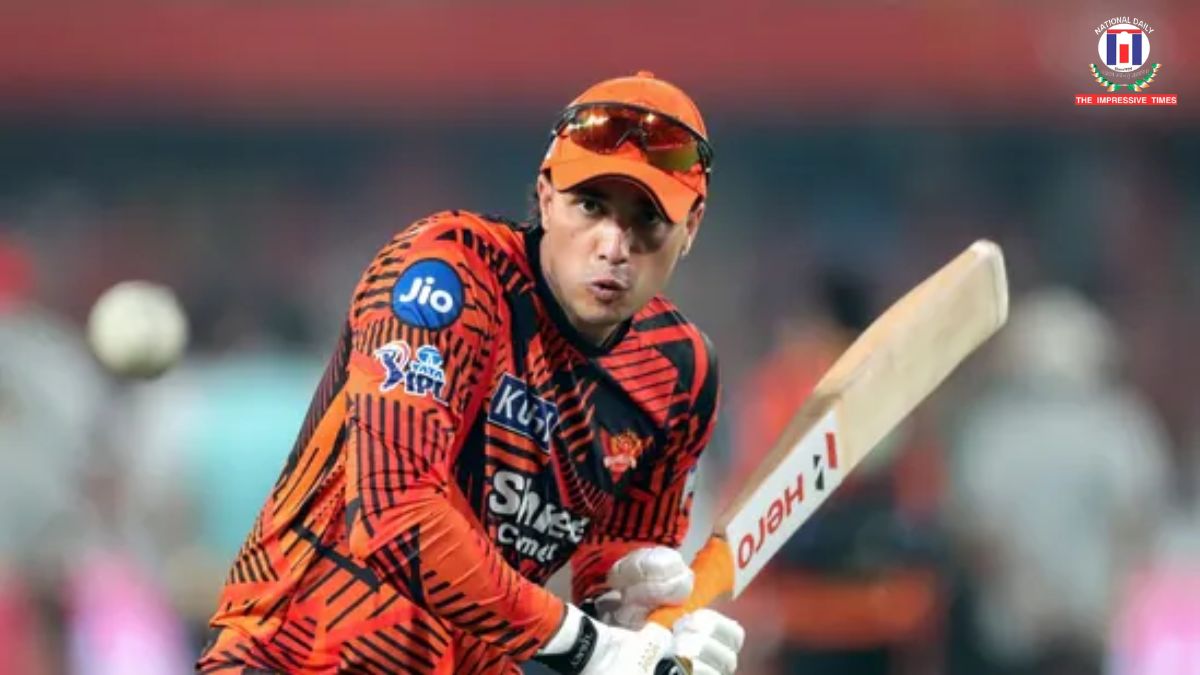
India’s anti-doping framework has undergone another update, with cricketers Abhishek Sharma and Axar Patel being included in the Registered Testing Pool (RTP) for the second quarter of 2026.
The revised list, issued by the National Anti-Doping Agency (NADA), sees them replace Smriti Mandhana and Shreyas Iyer, who were part of the earlier cycle. The updated RTP now includes a total of 348 athletes across various sports disciplines, with 14 cricketers featuring in the pool.
Inclusion in the RTP does not indicate any wrongdoing but places athletes under a more rigorous anti-doping monitoring system. Those listed are required to provide detailed whereabouts information, including their training schedules, residence, and competition plans. They must also remain available for testing during a designated one-hour window each day.
Under the rules set by the World Anti-Doping Agency, failure to comply with testing requirements—such as missing tests or not updating location details—can lead to violations if repeated within a 12-month period.
For Indian cricket, the latest update reflects the evolving nature of player monitoring within the anti-doping system. While Abhishek Sharma and Axar Patel are new additions, several prominent players continue to remain part of the pool, including Shubman Gill, Yashasvi Jaiswal, Hardik Pandya, Rishabh Pant, Jasprit Bumrah, KL Rahul, Arshdeep Singh, and Tilak Varma.
From the women’s side, players like Deepti Sharma, Shafali Verma, and Renuka Singh Thakur continue to be monitored under the RTP framework.
Beyond cricket, athletics remains the most represented sport in the RTP, with a notable increase in the number of athletes included. This reflects a broader push by NADA to strengthen testing mechanisms ahead of major international competitions.
The inclusion of Abhishek Sharma and Axar Patel highlights the agency’s continued efforts to maintain strict oversight of top-level athletes. While administrative in nature, the move places both players under closer scrutiny with enhanced compliance requirements throughout the year.


































No Comments: