CSIR’s ODAS Programme Reinvented with Stronger Community Engagement; Dr. Jitendra Singh Emphasises Focus on Awareness, Aptitude, and Avenue
Minister Calls for Enhanced Student Engagement through Science-Parent Partnerships


 The Impressive Times
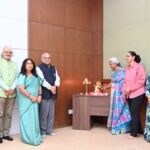
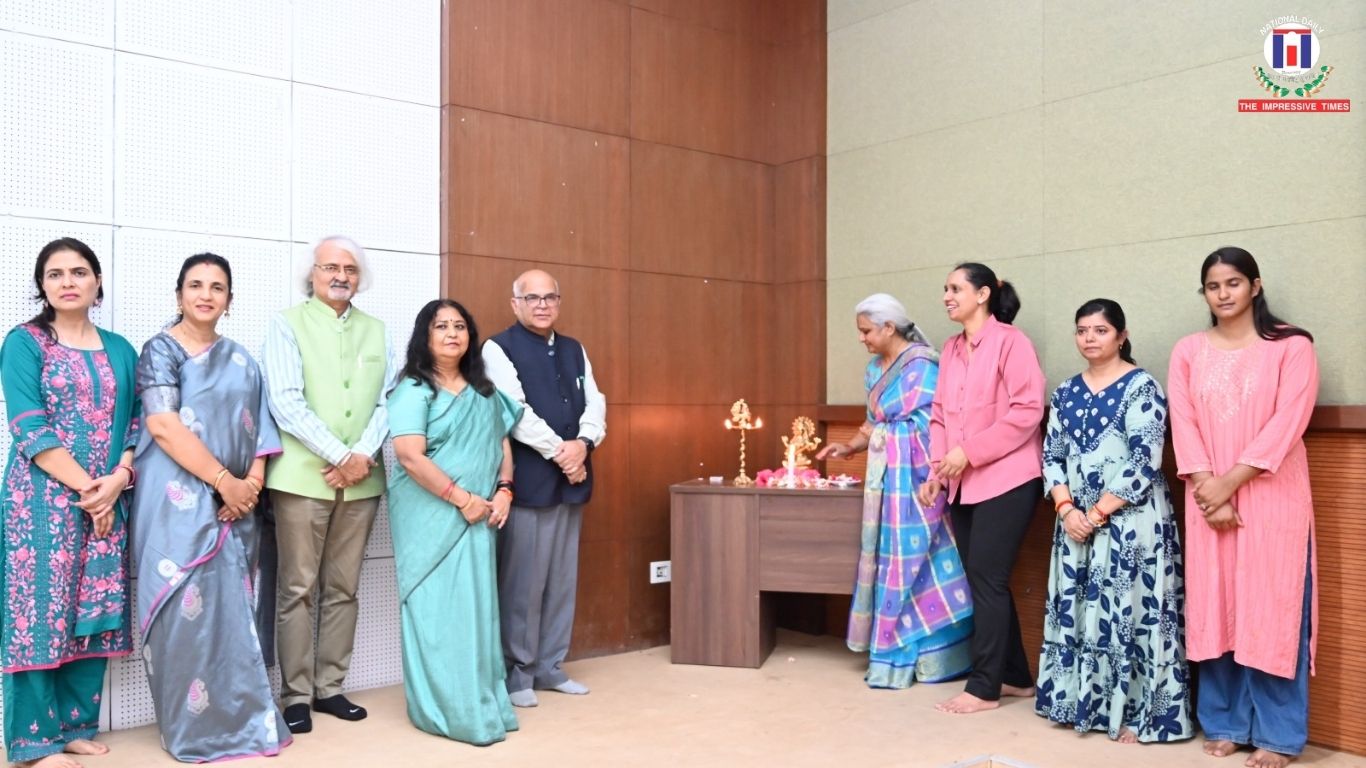
New Delhi— Union Minister of Science and Technology Dr. Jitendra Singh has highlighted the rising aspirations among Indian youth and called for aligning educational strategies with the “Three A” framework: Awareness, Aptitude, and Avenue. Speaking at the “One Day as a Scientist” (ODAS) celebration under the CSIR Jigyasa Programme at CSIR–National Physical Laboratory, the Minister outlined new directions to strengthen the initiative.
He recommended several enhancements, including inviting at least one parent per student to CSIR labs to witness their child’s engagement in scientific work, thereby encouraging family-level appreciation and support for science. Dr. Singh also introduced the idea of a reciprocal model titled “One Day as a Teacher,” under which CSIR scientists would visit students’ schools, particularly in rural areas, to inspire broader student communities.
Additionally, the Minister urged increased private sector involvement in the form of mentorship and project adoption for promising student innovators. He emphasized the need to track long-term student outcomes to align future initiatives with evolving interests, ensuring that scientific momentum is maintained.
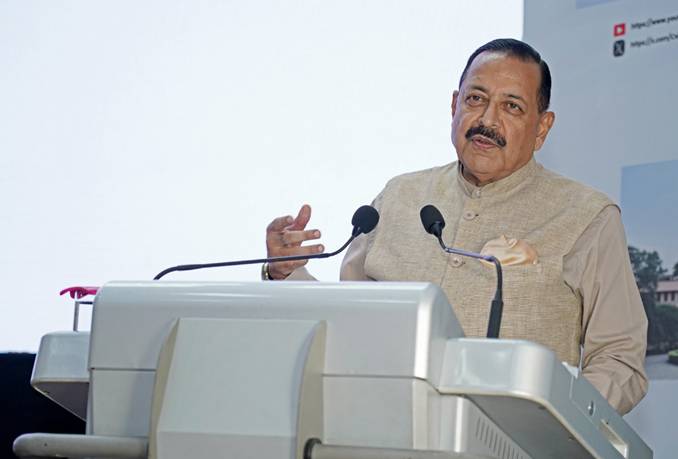
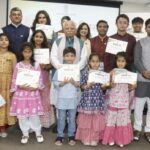
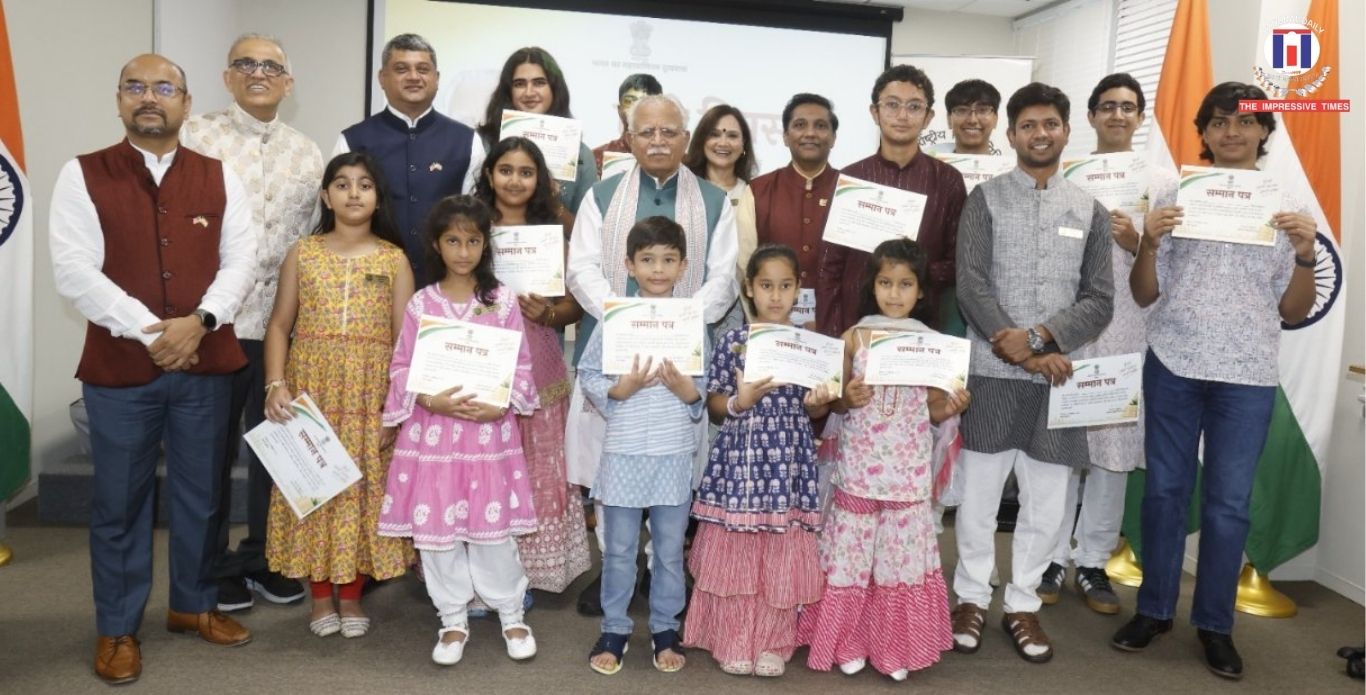
Inspired by Prime Minister Narendra Modi’s vision, ODAS saw participation from over 14,000 students across 37 CSIR laboratories, offering hands-on exposure to scientific research through lab immersion, guided experiments, and mentorship. A significant moment during the event was the felicitation of winners from the EPIC Hackathon 2024, which received 960 entries from across the country.
Japteg Bamrah from Pathankot won the top prize for “SolarMech,” a Stirling engine-powered device generating heat and electricity using concentrated solar energy. Second place was awarded to Ghaziabad-based students Uddhav Gupta and Udbhav Bandhani for “Drishyamitram,” a smart mobility solution for the visually impaired. The third prize was shared by Roorkee’s Shreya Vinod, who developed a waste-heat-to-energy converter for air conditioners, and Soyal Parija from Bhubaneswar for “I-Stetho,” a wireless digital stethoscope that integrates IoT technology to enhance telemedicine.
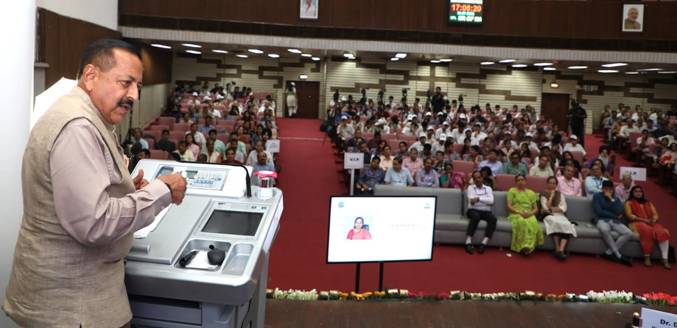
Dr. Singh praised the ingenuity and confidence of the participants, calling them future scientific entrepreneurs and innovators. He reiterated the importance of sustained institutional support and mentorship to help young minds transition from school-level innovation to scalable real-world solutions.
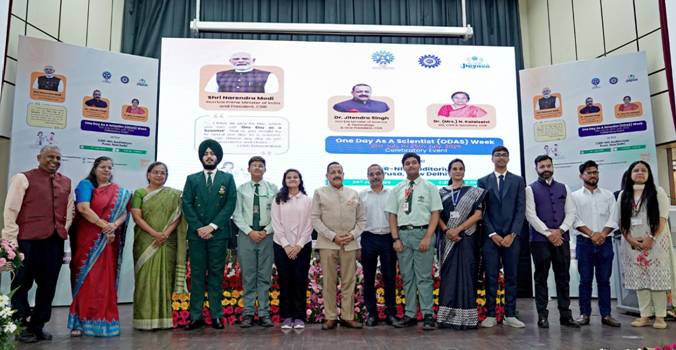
The CSIR Jigyasa initiative, launched in 2017, is one of India’s largest science outreach efforts. It has so far engaged over 13.5 lakh students and 80,000 teachers through activities including laboratory visits, virtual learning modules, ISL-enabled content, and innovation challenges. The Minister concluded by affirming that the New Education Policy 2020 supports such inquiry-based learning models, offering students the freedom to pursue their evolving interests.
Senior officials including Dr. N. Kalaiselvi, Director General, CSIR and Secretary, DSIR; Dr. Geetha Vani Rayasam, Head, CSIR-HRDG; Prof. Venu Gopal Achanta, Director, CSIR-NPL; and Dr. D. Shailaja Donempudi, Head, Business Development Group at CSIR, were present at the event alongside participating students and teachers from across India.










No Comments: