China-Taiwan Tensions Escalate as Both Sides Clash Over Coast Guard Operations Near Eastern Waters

China and Taiwan exchange sharp accusations over coast guard operations near Taiwan's eastern waters, raising concerns about maritime security, regional stability, and sovereignty disputes in East Asia.
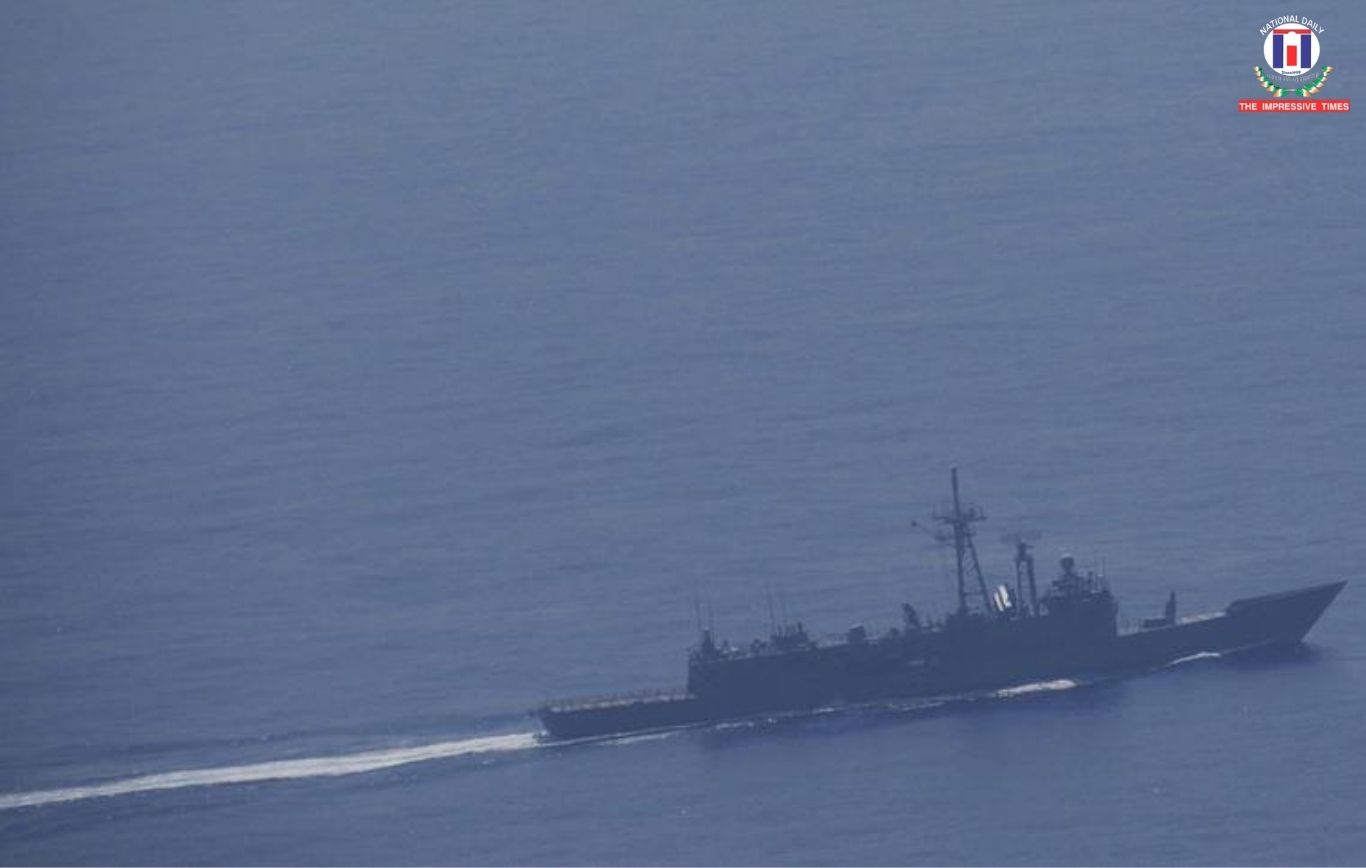
Beijing/Taipei, June 10: A fresh dispute has emerged between China and Taiwan over maritime activities in waters east of Taiwan, with both governments exchanging sharp statements regarding the legality and purpose of recent Chinese coast guard operations in the region.

The controversy follows China’s decision to deploy coast guard vessels for what it described as a special maritime enforcement mission. Taiwanese authorities, however, have accused the Chinese ships of interfering with international commercial traffic and attempting to assert authority in waters beyond Beijing’s jurisdiction.

Chinese officials defended the patrols, stating that the operations were aimed at protecting national sovereignty and safeguarding maritime interests. Beijing maintains that the waters surrounding Taiwan fall under its jurisdiction, consistent with its long-standing position that Taiwan is part of China.

The patrol activities gained attention after reports indicated that Chinese vessels had approached merchant ships navigating near Taiwan’s eastern waters and sought details regarding their routes and destinations. Taiwan condemned these actions, arguing that they created unnecessary pressure on civilian shipping and threatened regional stability.

The maritime dispute comes shortly after Japan and the Philippines announced plans to begin formal discussions on their maritime boundaries. China criticized those plans, particularly because the proposed discussions involve areas close to Taiwan.

Speaking in Beijing, a spokesperson for China’s Taiwan Affairs Office said law enforcement actions carried out by Chinese authorities in the area were legitimate and in accordance with Chinese law. The spokesperson emphasized that Beijing would continue to strengthen its management and oversight of the surrounding maritime zones.

Taiwan’s government responded strongly to the remarks. Foreign Minister Lin Chia-lung accused Beijing of using law enforcement activities as a cover to expand its influence and increase pressure on Taiwan. He argued that China has no legal authority to interfere in matters related to Taiwan’s territorial waters or maritime jurisdiction.

According to Lin, China’s recent actions are contributing to regional instability and undermining the existing balance in the Taiwan Strait and surrounding seas. He stressed that Taiwan would continue to defend its sovereignty and maritime rights.

Taiwanese officials also argued that China’s operations violate established international maritime norms and conventions. Cabinet Secretary-General Xavier Chang stated that Taipei would firmly protect its maritime territory and would not accept any attempts to alter the status quo through coercive measures.

Adding to the concerns, Taiwan has recently reported increased Chinese coast guard activity near the Taiwan-controlled Pratas Islands in the northern South China Sea. The islands occupy a strategically important location and have become another point of friction between the two sides.

China reiterated its claim over the Pratas Islands, describing patrols in the area as routine and lawful. Chinese authorities warned Taiwan’s ruling administration against what they called provocative actions and insisted that any consequences resulting from escalating tensions would be the responsibility of Taipei.

Relations between Beijing and Taipei remain strained, particularly since the administration of Taiwanese President Lai Ching-te took office. China continues to reject official dialogue with his government, accusing him of promoting separatist policies, while Taiwan insists that its future should be determined by its own people.

The latest maritime confrontation highlights growing tensions in East Asia, where territorial disputes and competing sovereignty claims continue to raise concerns about regional security and freedom of navigation.

No Comments:

Leave a Reply

Your email address will not be published. Required fields are marked *

National News

Education

More News