GLP-1 Drugs in India: Growing Use for Diabetes and Weight Loss Raises Safety and Regulation Concerns
Sharp rise in diabetes and obesity treatments fuels demand for GLP-1 drugs, prompting stricter government monitoring over safety and misuse

 The Impressive Times
New Delhi, April 1: Medications known as GLP-1 receptor agonists are rapidly gaining popularity in India for managing Type 2 Diabetes and obesity, prompting authorities to tighten oversight amid rising concerns over misuse and potential health risks.
Diabetes is a long-term health condition in which the body struggles to control blood sugar levels. This happens either because the pancreas does not produce enough insulin or because the body cannot use insulin effectively. If not properly managed, it can lead to serious complications such as heart disease, kidney damage, vision loss, stroke, and even limb amputation.
Two key hormones—insulin and glucagon—play a vital role in maintaining blood sugar balance. While insulin lowers glucose levels by helping cells absorb it, glucagon works in the opposite way by increasing blood sugar when it drops too low. In people with type 2 diabetes, this balance is disrupted, leading to persistently high glucose levels.
Rising cases of obesity, unhealthy diets, and lack of physical activity are major contributors to the growing burden of type 2 diabetes. Excess body fat, particularly around the abdomen, increases insulin resistance. Individuals with a family history of diabetes are also at higher risk.
Health experts emphasize that maintaining a balanced diet, engaging in regular exercise, avoiding tobacco use, and keeping body weight in check can significantly reduce the chances of developing the disease.
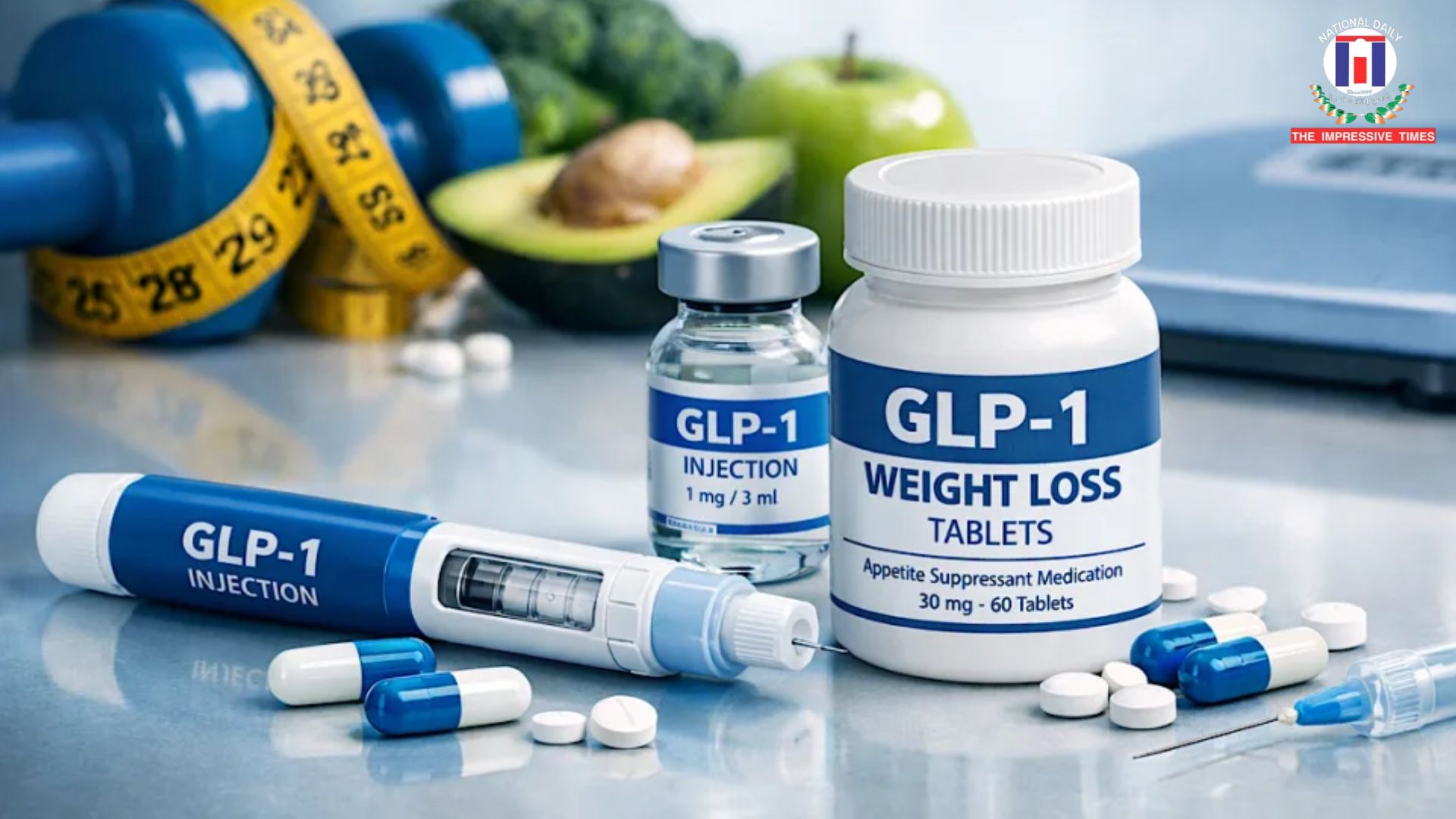
GLP-1 drugs, short for glucagon-like peptide-1 receptor agonists, are designed to address both diabetes and obesity. These medications help regulate blood sugar by increasing insulin secretion and reducing the release of glucagon.
In addition to controlling glucose levels, these drugs slow down digestion, which helps individuals feel full for longer periods. This effect reduces appetite and supports weight loss, making them increasingly popular beyond diabetes treatment.
After food intake, glucose enters the bloodstream and triggers natural hormonal responses. GLP-1 drugs imitate this process by enhancing insulin release and limiting excess glucose production by the liver. As a result, blood sugar levels remain stable.
Their ability to delay gastric emptying further contributes to reduced hunger, which explains their growing use in weight management therapies.
Several GLP-1-based drugs are currently being used worldwide and are now accessible in India. These include:
Most of these treatments are administered through pre-filled injection pens, although some oral options are also available.
With increasing demand, these drugs are now being sold through pharmacies, online platforms, and even wellness clinics. This widespread availability has raised alarms among regulators.
The Central Drugs Standard Control Organisation (CDSCO) has stepped up monitoring efforts, cautioning against unsupervised consumption. Officials warn that improper use of GLP-1 drugs may lead to serious side effects and health complications.
Experts strongly advise that these medications should only be taken under professional medical guidance. While they offer promising results in controlling blood sugar and aiding weight loss, misuse or overuse could pose significant health risks.













































No Comments: