Universities Must Evolve with Gen Z Needs While Balancing Quality, Access and Relevance: Education Leaders
Vice Chancellors’ Conclave 2026 at Manav Rachna highlights the changing role of private universities and the need to prepare higher education for a new generation
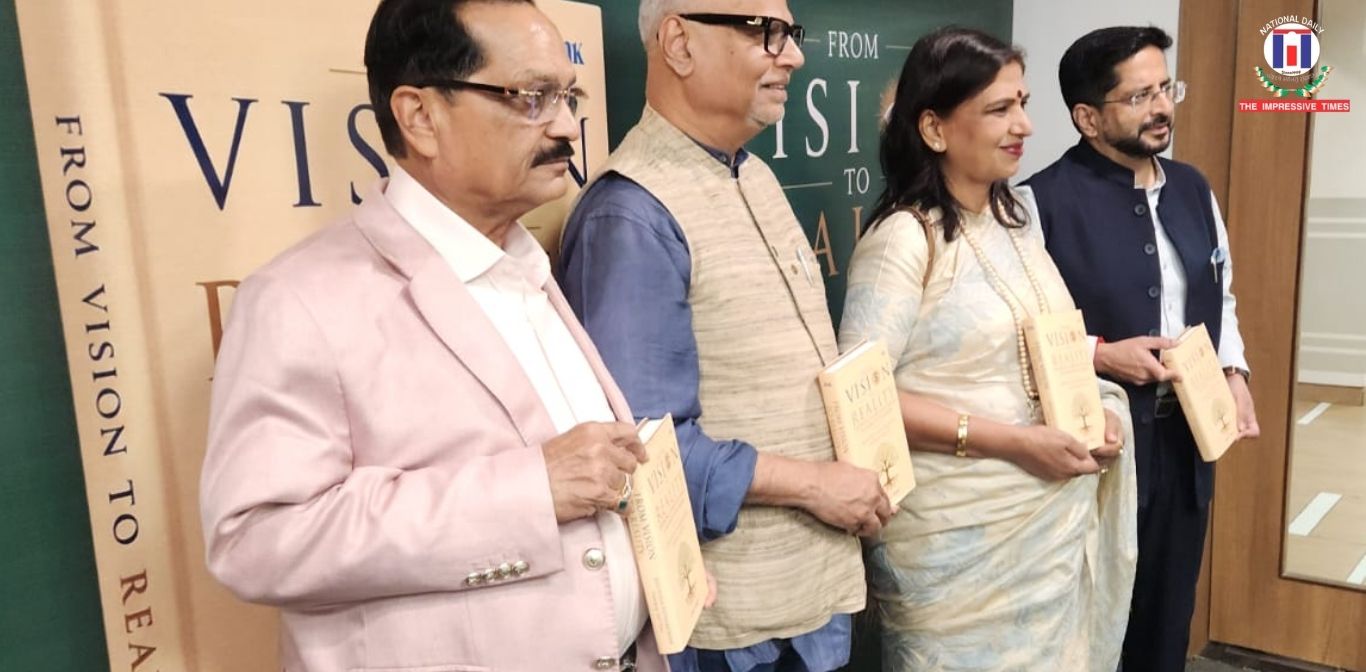
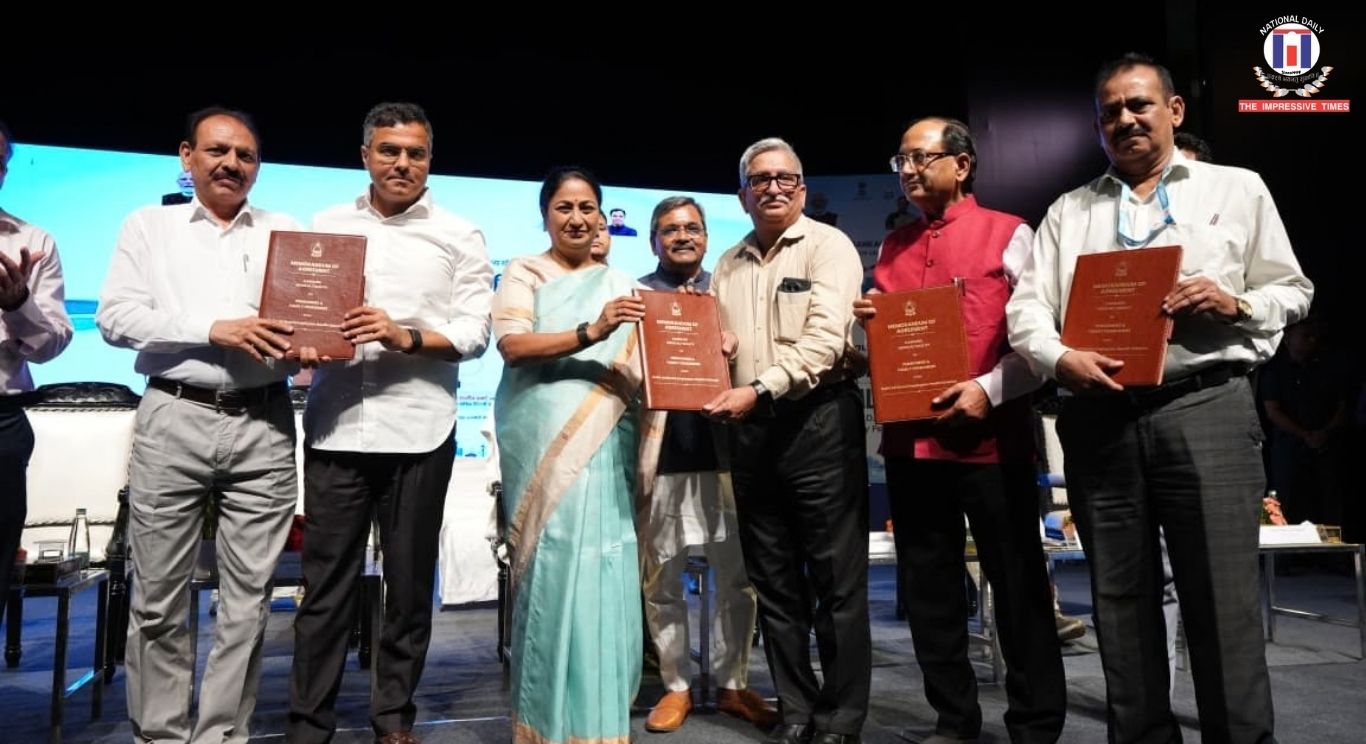
Faridabad, 23 August 2026: The need for universities to evolve with the changing expectations of Gen Z while expanding access to higher education and maintaining quality, research and relevance came into focus at Manav Rachna International Institute of Research and Studies. Acharya Balkrishna, Chancellor, University of Patanjali, along with senior education leaders, shared perspectives on providing the younger generation with the right learning and guidance, preparing education for changing needs and the growing role of private universities. These issues were discussed at the Vice Chancellors’ Conclave 2026 held at Manav Rachna on the occasion of the launch of From Vision to Reality: Inspiring Stories of Indian University Founders, co-authored by Prof. Bhushan Patwardhan and Dr. Pankaj Mittal.
Acharya Balkrishna, Prof. Bhushan Patwardhan and Dr. Pankaj Mittal said that Gen Z cannot be viewed through a single lens. India’s young people are full of talent and have immense potential. What they need is the right direction and opportunities so that their talent and energy can contribute to nation-building.
Prof. Bhushan Patwardhan, National Research Professor, Ministry of AYUSH, Government of India; Dr. (Mrs.) Pankaj Mittal, Secretary General, Association of Indian Universities; Dr. Prashant Bhalla, President, Manav Rachna Educational Institutions; Dr. P.K. Gupta, Chancellor, Sharda University; and Vice Chancellors from universities across the country also shared their views on the expansion of higher education in India, the role of private universities and the changing needs of the younger generation.
From Vision to Reality: Inspiring Stories of Indian University Founders traces the journeys of 20 Indian university founders. The book looks at the thinking behind these institutions, the challenges their founders faced and how their ideas eventually took the shape of universities.
The discussion looked at what will define successful Indian universities over the next decade, the growing responsibility of private universities, balancing scale with quality and the need for universities to remain relevant as technology and student expectations change. University founders and education leaders also shared their experiences on how private higher education can contribute to expanding access, strengthening quality and building institutions that remain relevant to changing needs.
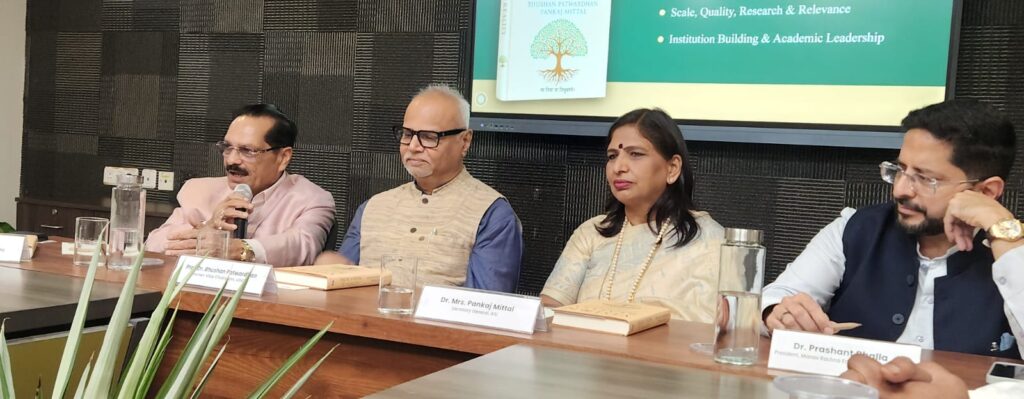
Prof. Bhushan Patwardhan, co-author, said, “India has built a large number of universities, but the larger question is how some institutions continue to retain their identity and relevance over decades. This book goes back to their founding years to understand the challenges, decisions and choices that shaped their journeys. These 20 stories show how institutions that began in very different circumstances built their place through vision, persistence and the ability to respond to challenges along the way. These journeys help us understand what it takes to build institutions that continue to grow and remain relevant over time.”
Dr. Pankaj Mittal, Secretary General, Association of Indian Universities, said, “Private institutions today account for around 70% of students in higher education, which shows the significant role they play in the country’s education system. Building a strong university, however, goes much beyond infrastructure. It requires a clear purpose and the collective effort of everyone associated with the institution, from its leadership and faculty to its students and staff. The institutions that have grown over the years are those where education has remained closely connected with contributing to society.”
Dr. Prashant Bhalla, President, Manav Rachna Educational Institutions, said, “Education has always been the foundation of the development of a state or a country. India has set a target of achieving a 50% Gross Enrolment Ratio in higher education and reaching that level will require significant participation from private institutions. Institutions that have been around for many years remain relevant only when they continue to innovate. The expectations of young people are changing, technology is changing and the requirements around jobs and skills are changing. Universities have to keep responding to these shifts while remaining connected to the purpose with which they were established.”
Dr. P.K. Gupta, Chancellor, Sharda University, said, “Private higher education in North India has seen a significant transformation over the last three decades. When we started, a large number of students from North India were travelling to other parts of the country for higher education. We wanted to create institutions here that could offer quality education and eventually have a global character. Universities today also need diversity because students from different regions, countries and backgrounds bring different perspectives and greater creativity. The way students learn has changed considerably over the years, which means our teachers and institutions must also continue to learn and adapt.”
Education leaders agreed that the role of universities continues to grow as the world changes rapidly. Along with imparting knowledge and skills, higher education also has an important responsibility to prepare students to understand their role in society and contribute to the country.











































No Comments: