Nepal PM Balendra Shah’s First Official India Visit Seeks to Reset Bilateral Ties
Scheduled for November 22–23, the visit is expected to focus on reconstruction assistance, cross-border connectivity, energy cooperation and a proposed 10-point joint vision document.
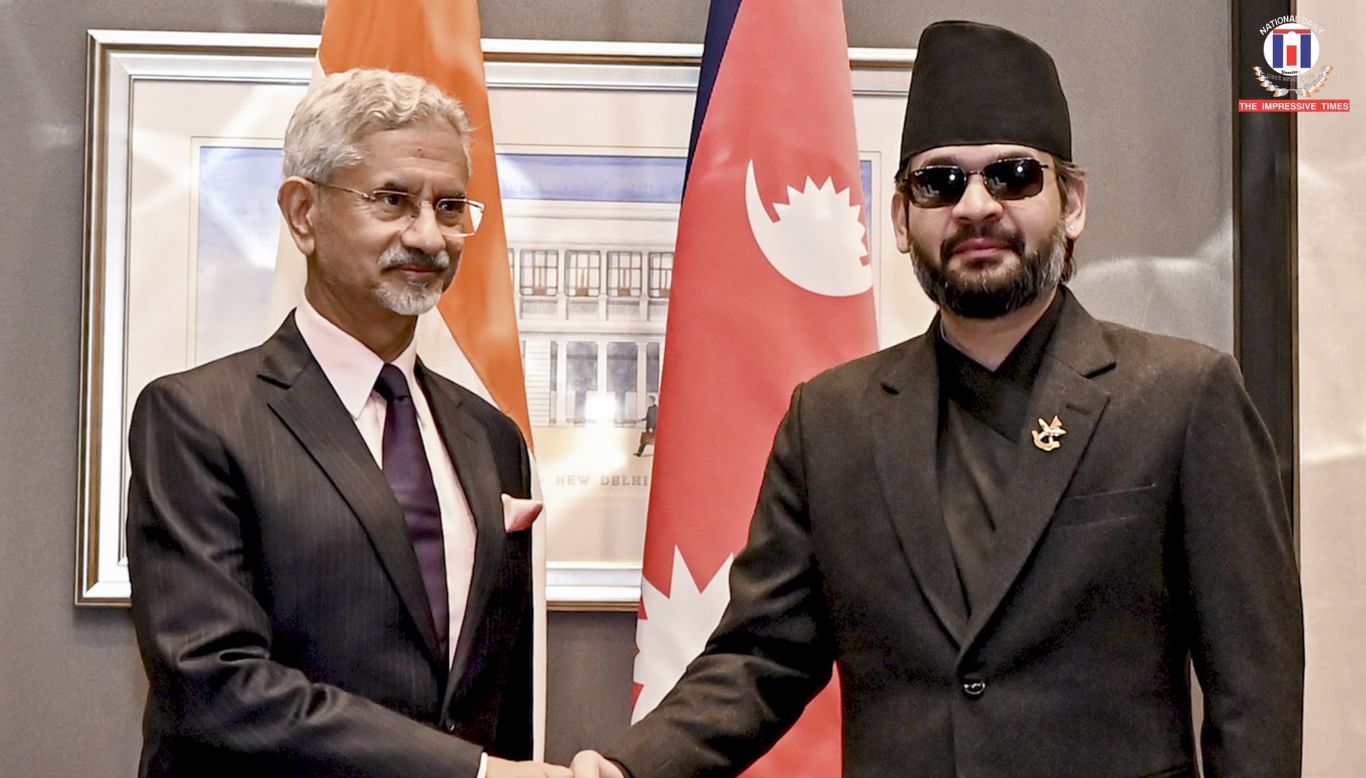
New Delhi, November 22, 2026: Nepal Prime Minister Balendra Shah has arrived in New Delhi for his first official visit to India since assuming office in March 2026. The two-day state visit, at the invitation of Prime Minister Narendra Modi, comes at a significant time for bilateral relations, with both countries looking to strengthen cooperation across infrastructure, energy, trade and regional connectivity.
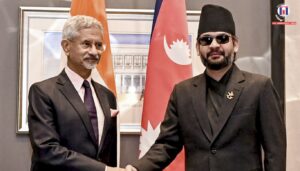
Shah is scheduled to hold bilateral talks with Prime Minister Narendra Modi on Monday, November 23, to review the full range of India-Nepal relations and exchange views on regional and international issues of mutual interest. He is also expected to call on President Droupadi Murmu and meet External Affairs Minister S. Jaishankar.
The visit follows months of diplomatic engagement between the two countries amid questions over the direction of Kathmandu’s relationship with New Delhi. Shah’s government initially adopted a different approach to diplomatic engagement, including holding collective meetings with foreign ambassadors instead of individual courtesy calls, drawing attention in diplomatic circles.
However, diplomatic exchanges continued through visits by Nepal’s Foreign Minister Shisir Khanal to India and Indian Foreign Secretary Vikram Misri to Kathmandu. The upcoming talks are expected to provide an opportunity to strengthen mutual confidence and establish a framework for future cooperation.
Reconstruction Assistance Following Flood Damage
Reconstruction and rehabilitation following devastating floods in Nepal’s Bhotekoshi region in August are expected to feature prominently in the discussions.
The floods damaged roads, bridges and other essential infrastructure, creating significant reconstruction requirements. Nepal has sought a proposed Indian assistance package worth around $2 billion to support rebuilding and rehabilitation efforts.
The proposed package is expected to be among the key economic issues discussed during the visit, although the final assistance arrangements will depend on bilateral discussions and project requirements.
Connectivity and Aviation Cooperation
Improving cross-border connectivity is another major priority for Kathmandu. Nepal has been seeking additional air-entry routes through Indian airspace to strengthen international flight operations at Bhairahawa and Pokhara airports.
Limited access to suitable international flight routes has affected the ability of these airports to attract more international carriers. Greater cooperation on aviation connectivity could support Nepal’s tourism sector and improve access to important destinations.
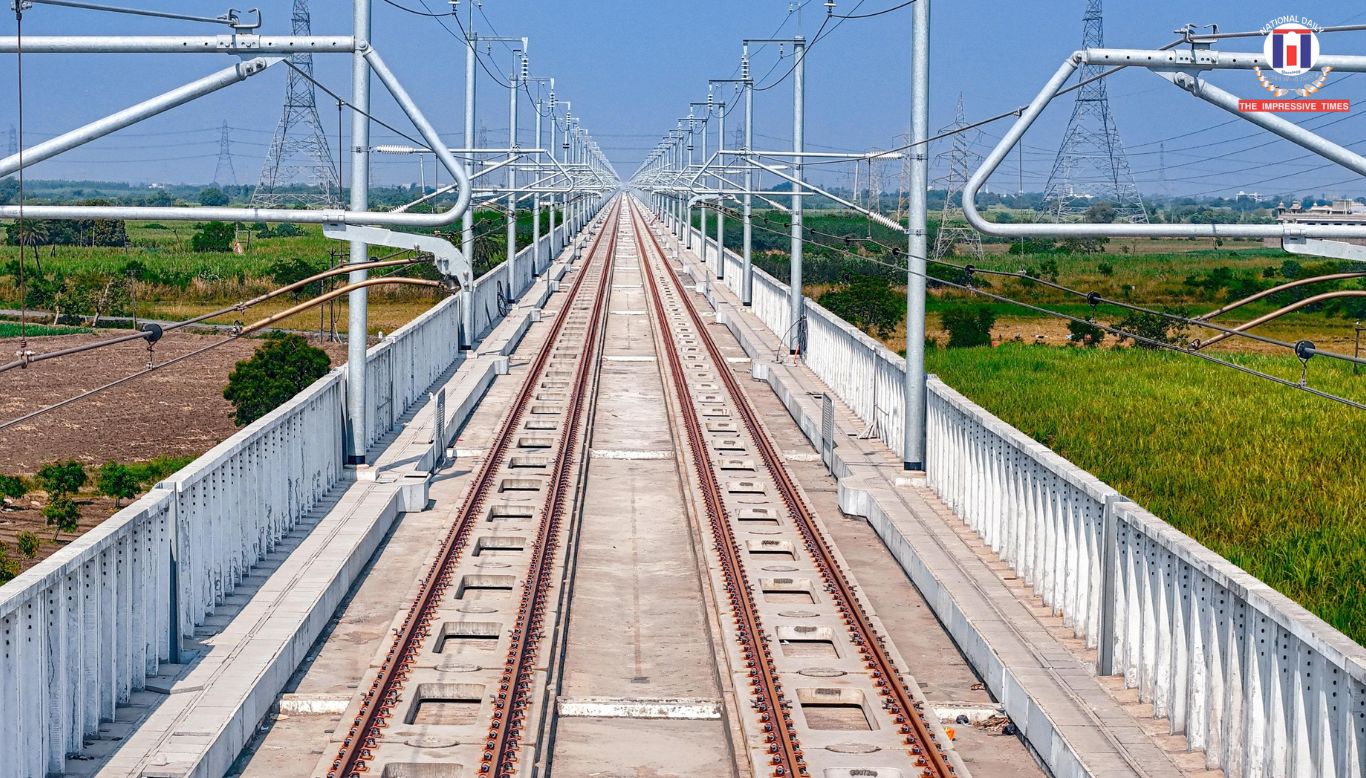
The two countries are also expected to discuss expanding railway and road links, improving border infrastructure and facilitating smoother movement of people and goods.
Energy Cooperation and Trade Expansion
Energy cooperation is expected to remain an important pillar of India-Nepal relations. Kathmandu aims to increase electricity exports to India and Bangladesh while attracting further Indian investment in its hydropower sector.
India has already committed to purchasing up to 10,000 megawatts of electricity from Nepal over a 10-year period, providing a foundation for expanded energy trade.
Discussions are also expected to cover reducing trade barriers, strengthening investment opportunities and improving cross-border infrastructure and border management.
Proposed 10-Point Joint Vision Document
A key expected outcome of the visit is a proposed 10-point Joint Vision Document titled ‘Samriddha Nepal, Samunnat Bharat’ (Prosperous Nepal, Developed India).
The framework is intended to translate existing bilateral commitments into measurable objectives across areas such as trade, investment, energy, education, healthcare, digital connectivity and infrastructure development.
The document is expected to provide a long-term framework for cooperation and help both countries identify priority areas for future engagement.
Infrastructure Projects on the Agenda
Several infrastructure initiatives are also expected to feature in the visit programme. These include:
- Flagging off a cross-border passenger train service connecting Ayodhya in India with Janakpur Dham in Nepal.
- Inaugurating the Nepal Police Academy in Panauti.
- Inaugurating the Bhairahawa Integrated Check Post.
- Laying the foundation stone for the Lower Arun hydropower project.
- Laying the foundation stone for a cross-border petroleum pipeline connecting Siliguri in India with Jhapa in Nepal.
These initiatives are expected to strengthen transport, energy and institutional cooperation between the neighbouring countries.
A Significant Diplomatic Engagement
For Prime Minister Balendra Shah, the visit provides an opportunity to outline his government’s priorities for relations with India and strengthen engagement with New Delhi. For India, it offers an important occasion to engage with Nepal’s new political leadership and advance cooperation with a key neighbour.
With shared interests in trade, energy, infrastructure, tourism and people-to-people relations, the November 22–23 visit could help establish a renewed direction for the India-Nepal partnership.















No Comments: