Indian B-Schools Shift Focus to Entrepreneurship as Startup Economy Expands
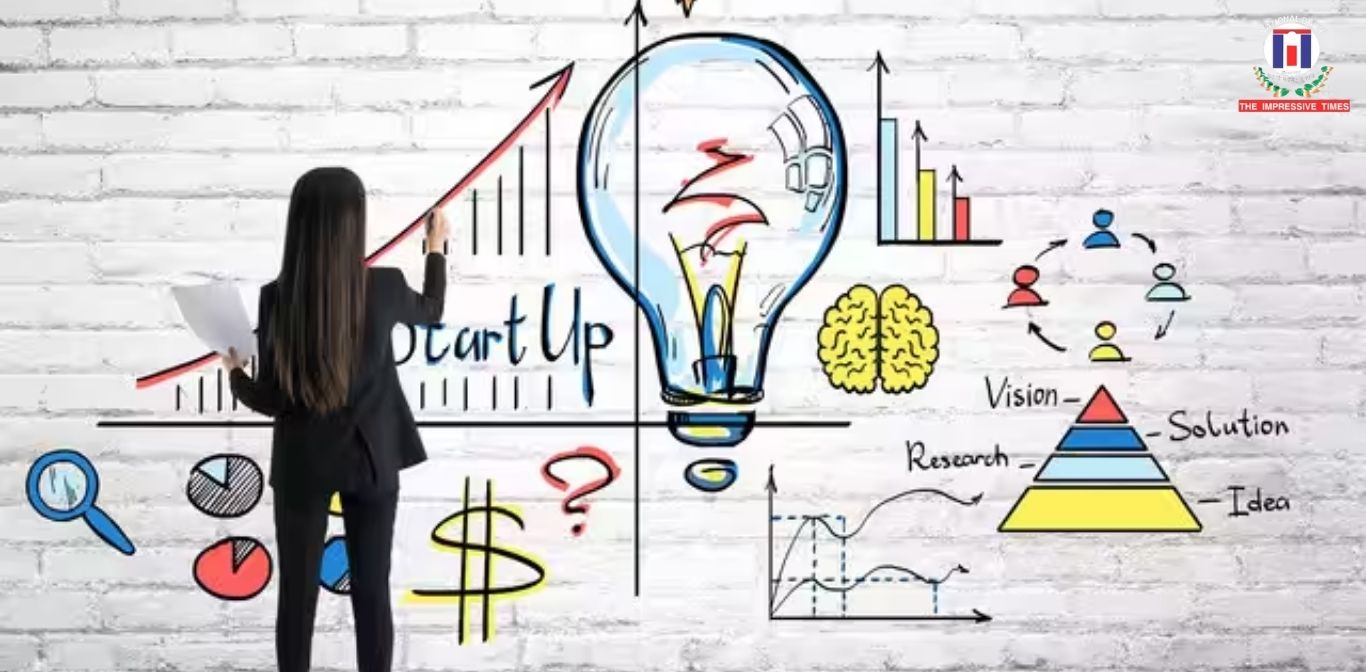
India’s changing startup landscape is pushing business schools to blend traditional management education with entrepreneurship, technology and hands-on venture building.

 The Impressive Times
New Delhi, August 20, 2026; India’s rapidly evolving startup landscape is prompting leading business schools to rethink how future management professionals are trained. Institutions that once concentrated primarily on preparing students for conventional corporate careers are increasingly building programmes around entrepreneurship, innovation, technology and new-age business leadership.
The change reflects the growing influence of startups on India’s economic landscape. With young companies creating opportunities across technology, consumer businesses, fintech, healthcare, mobility and other sectors, management graduates are finding career paths beyond traditional corporate roles.
Business schools are therefore expanding their approach to entrepreneurship instead of treating it as a specialised subject or an optional activity. Students are increasingly being exposed to startup strategy, product development, digital business models, fundraising, market research and growth management as part of their broader management education.
A notable shift is the growing importance of practical experience. Rather than learning about entrepreneurship only through classroom discussions and case studies, students are being encouraged to work on their own business ideas and test them in real markets.
These initiatives can take students through several stages of building a company, from identifying a potential problem and understanding customer requirements to developing a product, testing its viability and attempting to attract early users.
The campus ecosystem is also evolving to support this approach. Incubation facilities, mentorship programmes, startup-focused events, industry interactions and access to entrepreneurial networks are becoming increasingly important components of management education.
The emphasis is not limited to students who intend to become founders. Understanding how startups operate can also benefit those seeking careers in product management, business development, strategy, marketing, operations and investment.
Artificial intelligence and rapid technological advances are further accelerating this transformation. Business schools are increasingly expected to prepare students for workplaces where business decisions, customer engagement and product development are being reshaped by emerging technologies.
The result is a broader definition of management education in India. Instead of preparing graduates only to manage established organisations, B-schools are increasingly aiming to equip them with the ability to identify opportunities, handle uncertainty and contribute to businesses operating in highly competitive markets.
As India’s startup ecosystem continues to mature, the relationship between business education and entrepreneurship is likely to become even stronger, making campuses important testing grounds for the next generation of Indian businesses.






































No Comments: