Delhi High Court Declines CBI Request to Transfer Excise Policy Case Against Kejriwal and Others
Delhi High Court Rejects CBI Request to Transfer Excise Policy Case Against Kejriwal

 The Impressive Times
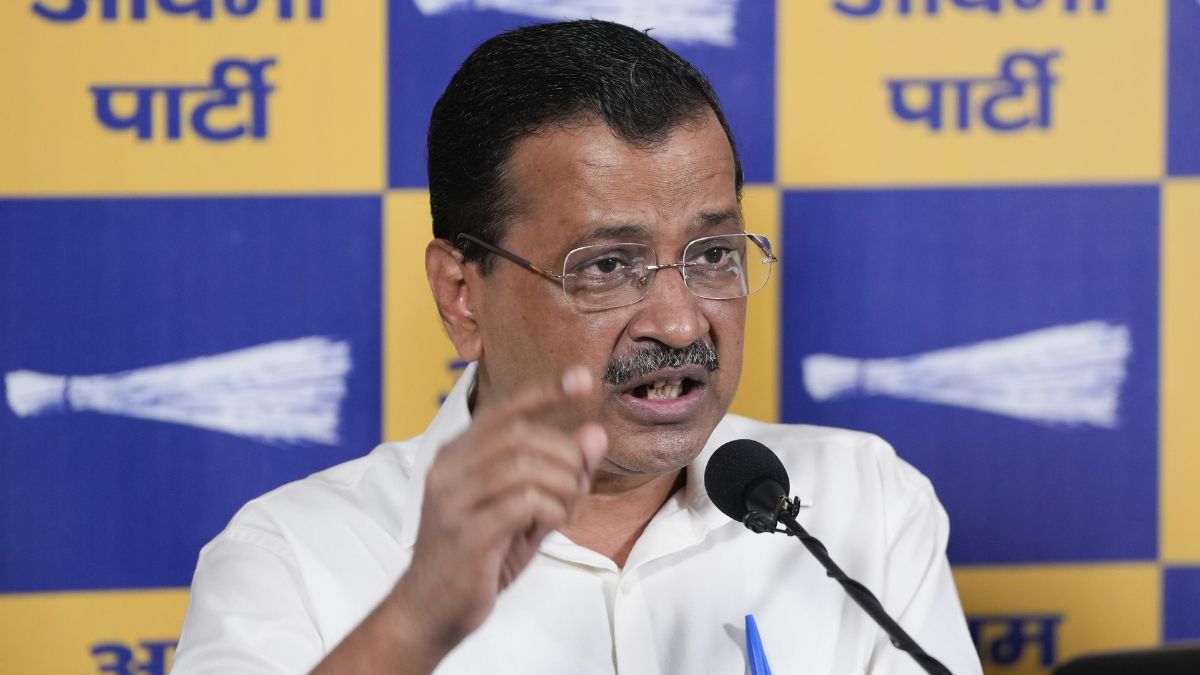
New Delhi, March 15: The Delhi High Court, headed by Chief Justice Pradeep Nandrajog, on Friday refused to transfer the Central Bureau of Investigation (CBI) plea seeking to move the excise policy case out of its jurisdiction. The case concerns the discharge of Delhi Chief Minister Arvind Kejriwal and several other officials from alleged involvement in irregularities related to the excise policy.
The CBI had approached the High Court after the Delhi court granted discharge to Kejriwal and others, arguing that the matter required a fresh review in a different jurisdiction to ensure impartiality. However, the bench, after considering the submissions, held that there was no compelling reason to transfer the matter. The court emphasized that the existing judicial setup is competent to handle the case and dismissed the CBI’s plea for transfer.
The excise policy case revolves around allegations of irregularities in the implementation of Delhi’s excise policy during Kejriwal’s administration. Several officials named in the case had earlier been discharged by the trial court, which concluded that there was insufficient evidence to proceed against them. The CBI challenged this decision, claiming that the investigation required a more neutral forum.
During the hearing, the High Court noted that the principles of judicial propriety and existing legal procedures did not warrant shifting the case to another court. It also observed that transfer petitions must demonstrate a real risk of bias or miscarriage of justice, which the CBI had not convincingly established.
Legal experts note that this ruling reinforces the autonomy of trial courts and underscores the principle that high-profile individuals, including political leaders, are entitled to the same judicial safeguards as ordinary citizens. The CBI has the option to explore other legal remedies, including challenging the discharge in higher forums, but the current proceedings will continue under the existing court.
The ruling has drawn attention in political circles, as it concerns a sitting Chief Minister and has been closely watched for its potential implications on governance and accountability in Delhi. Analysts say the court’s decision highlights the judiciary’s cautious approach in balancing investigative powers with procedural fairness.
The excise policy case, first registered several years ago, has seen multiple rounds of scrutiny, hearings, and petitions. The High Court’s refusal to transfer the case marks another chapter in a long-running legal saga, keeping the spotlight on the interplay between law, politics, and investigative processes in the national capital.
Observers say that while the ruling does not end the matter, it ensures that the trial will proceed without unnecessary delays caused by jurisdictional disputes. For the Delhi government and Kejriwal, the judgment is a temporary reprieve, allowing them to continue operating without the disruption of a transferred trial.
Meanwhile, the CBI has indicated that it will review its next steps carefully, weighing options for challenging the discharge orders through appeals or other legal mechanisms. The case continues to generate intense public and media interest due to the involvement of high-profile political figures and the sensitive nature of the allegations.
With the Delhi High Court’s decision, the focus now returns to the substantive proceedings in the excise policy matter, as both the government and the investigative agency prepare for the next phase of legal arguments.






























No Comments: