Haryana to Launch Statewide Community Campaign Against Drug Abuse, Says CM Nayab Singh Saini
District-level task forces, NGO participation and stronger community policing to drive the 'Nasha Mukt Haryana' mission.

 The Impressive Times
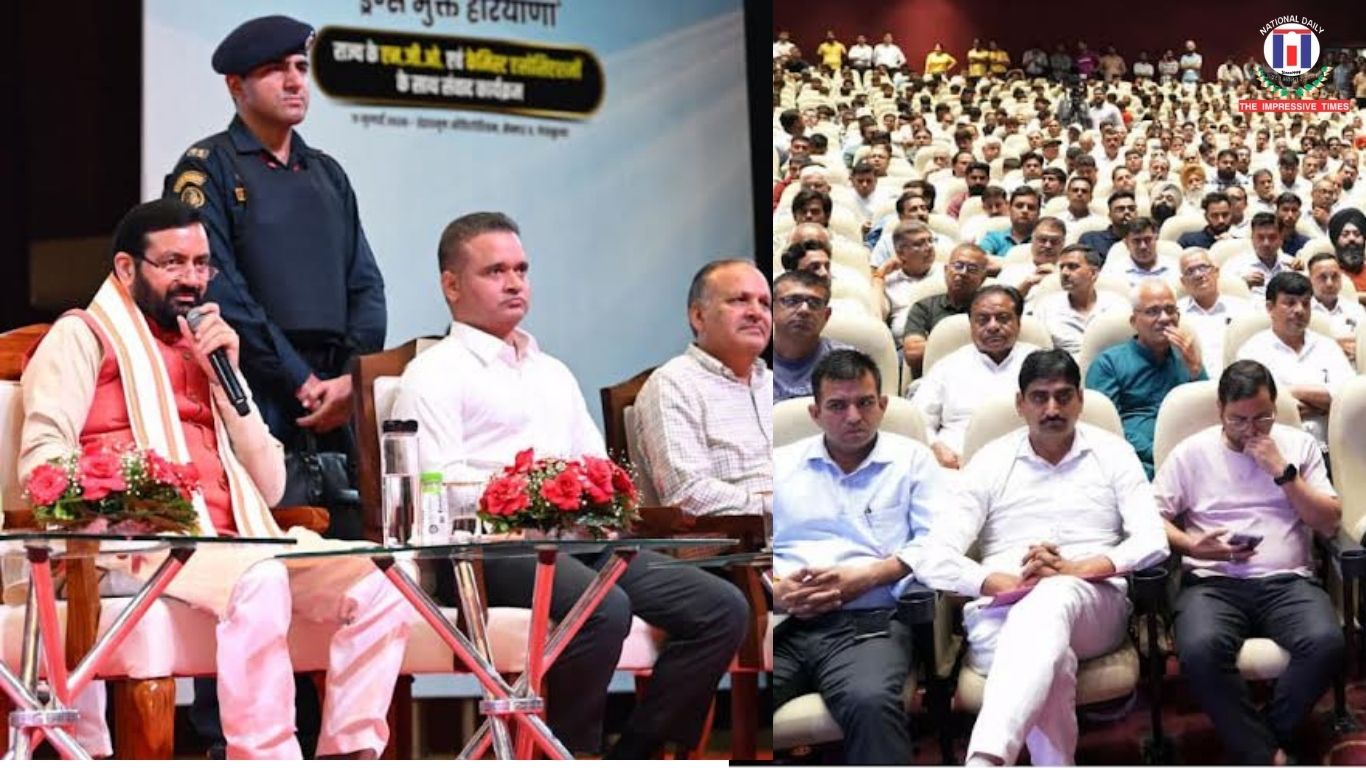
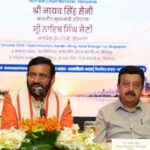
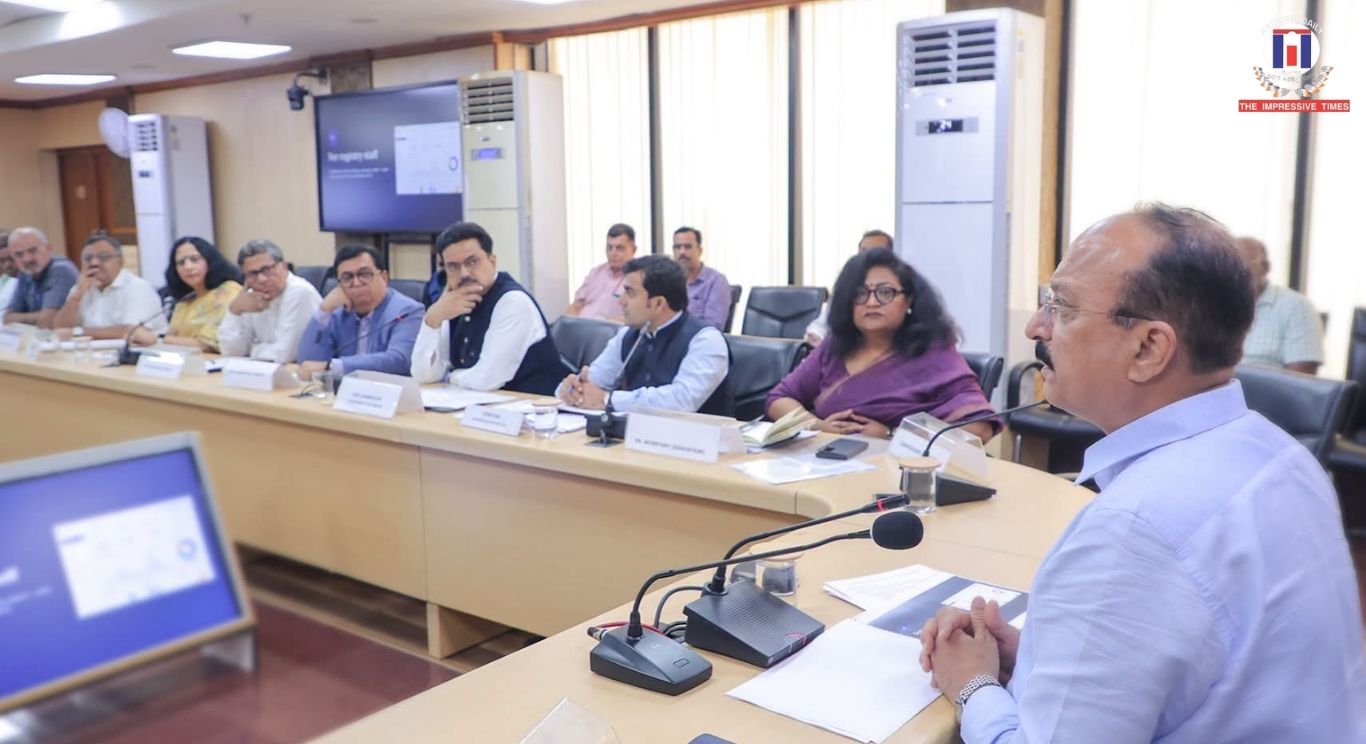
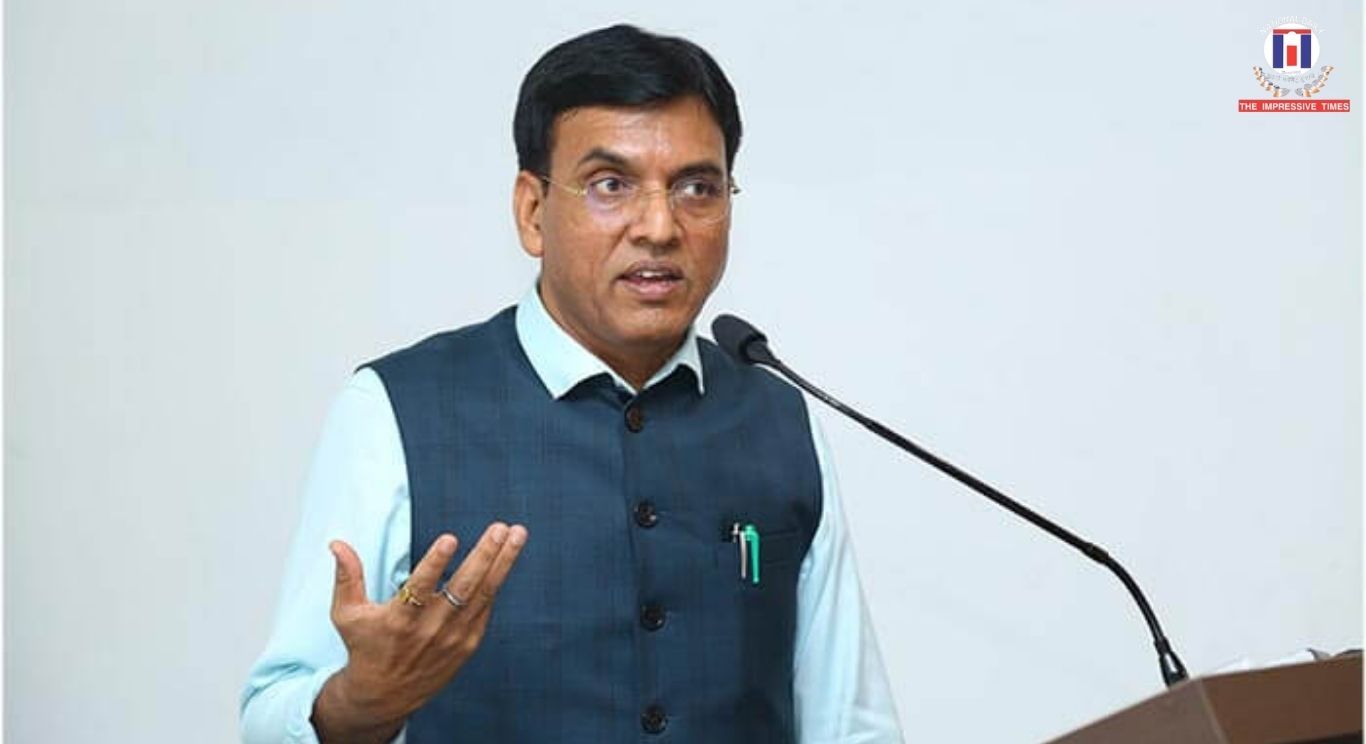
Chandigarh, July 11, 2026; Haryana Chief Minister Nayab Singh Saini on Saturday announced an intensified statewide campaign against drug abuse, emphasizing that eliminating narcotics requires active participation from society alongside strict government action. Addressing a consultation with NGOs and representatives of chemist associations in Panchkula under the Haryana Uday Campaign, the Chief Minister said the fight against drugs must evolve into a people’s movement rather than remain confined to law enforcement.
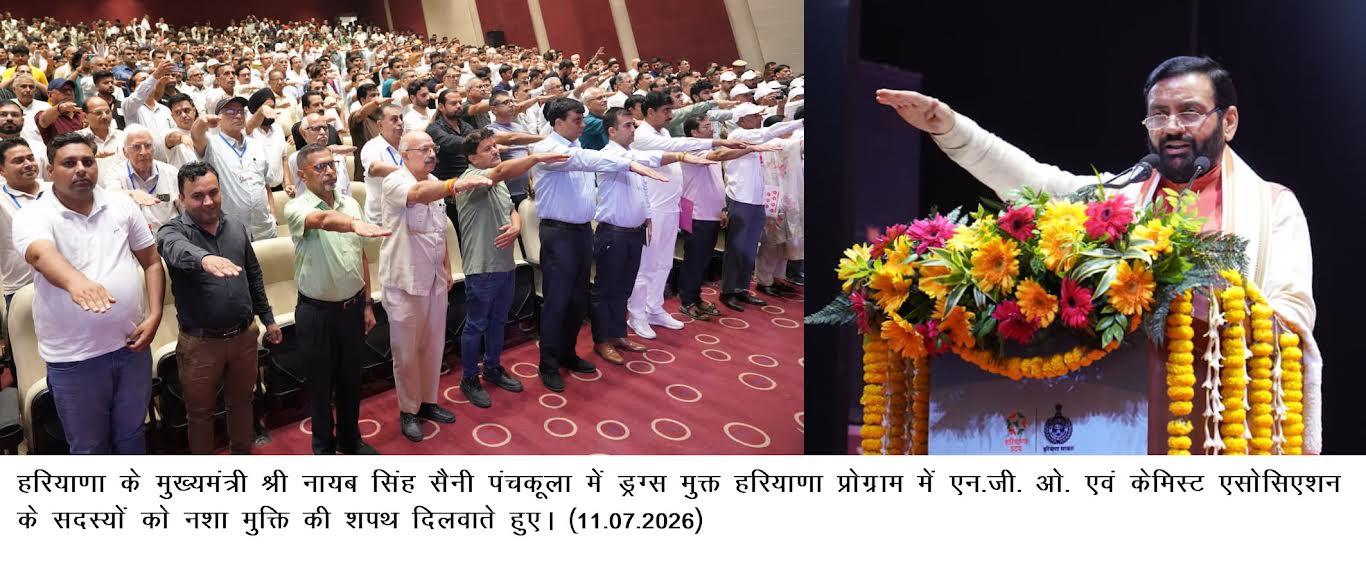
He said the state government would strengthen community policing and public outreach to create awareness at the grassroots level, adding that a drug-free Haryana is essential for achieving the vision of both a developed Haryana and a developed India. During the programme, the Chief Minister also administered an anti-drug pledge to participants.
Saini said the country’s youth are its greatest strength, and protecting them from addiction is crucial for India’s progress in fields such as technology, innovation, sports, education and entrepreneurship. He noted that substance abuse not only affects individuals but also causes long-term damage to families and society.
Calling the campaign an investment in the future of coming generations, the Chief Minister urged every section of society—including educational institutions, social organisations, health professionals, parents and citizens—to actively contribute to preventing drug addiction. He stressed that awareness, timely guidance and emotional support are equally important in helping young people avoid or recover from addiction.
Highlighting the role of voluntary organisations, Saini said NGOs often reach communities where government agencies have limited access and can play a vital role in counselling, rehabilitation and awareness campaigns. He appealed to these organisations to conduct regular outreach programmes in villages, urban neighbourhoods, schools and colleges.
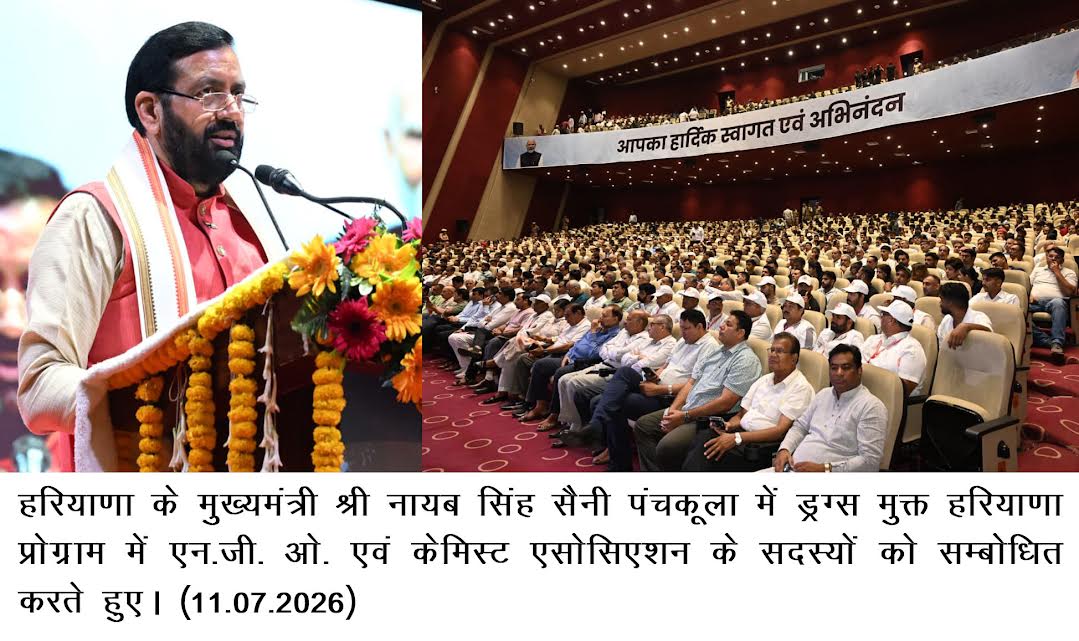
The Chief Minister also urged chemists to exercise greater caution while dispensing medicines that have the potential to be misused. He said responsible sale of prescription drugs is essential to prevent addiction and maintain public trust in the healthcare system.
Reiterating the government’s dual strategy, Saini said the administration is taking strict action against drug traffickers while simultaneously working to reduce the demand for narcotics through awareness and rehabilitation. He said authorities have already initiated action against individuals involved in illegal drug trade by attaching properties and demolishing illegally acquired assets wherever required under the law.
To strengthen coordination at the grassroots level, the Chief Minister announced the formation of district and local-level task forces comprising Sub-Divisional Magistrates, Block Development and Panchayat Officers, village sarpanches and NGO representatives. These teams will oversee awareness campaigns and encourage public participation in anti-drug initiatives.
Saini appealed to parents to spend more quality time with their children and maintain open communication, saying strong family relationships are one of the most effective safeguards against addiction. He also encouraged citizens to promptly report drug-related activities to the police, the Haryana Narcotics Control Bureau helpline or through the MANAS portal.
During the interaction, members of chemist associations recommended stricter monitoring of the entire pharmaceutical supply chain, including online prescriptions and digital medicine distribution platforms. They suggested strengthening technological oversight to prevent misuse of narcotic and psychotropic medicines without creating hurdles for genuine patients.
Responding to the suggestions, the Chief Minister assured participants that practical recommendations serving the larger public interest would be examined and implemented by the state government.
Several public representatives, senior government officials, police officers, health department officials, NGO members, chemist associations and youth representatives attended the programme.





No Comments: