INS Mahendragiri Joins Indian Navy, Strengthening India’s Indigenous Maritime Power
Sixth Project 17A stealth frigate commissioned into the Eastern Fleet; Rajnath Singh highlights self-reliance and maritime security

 The Impressive Times
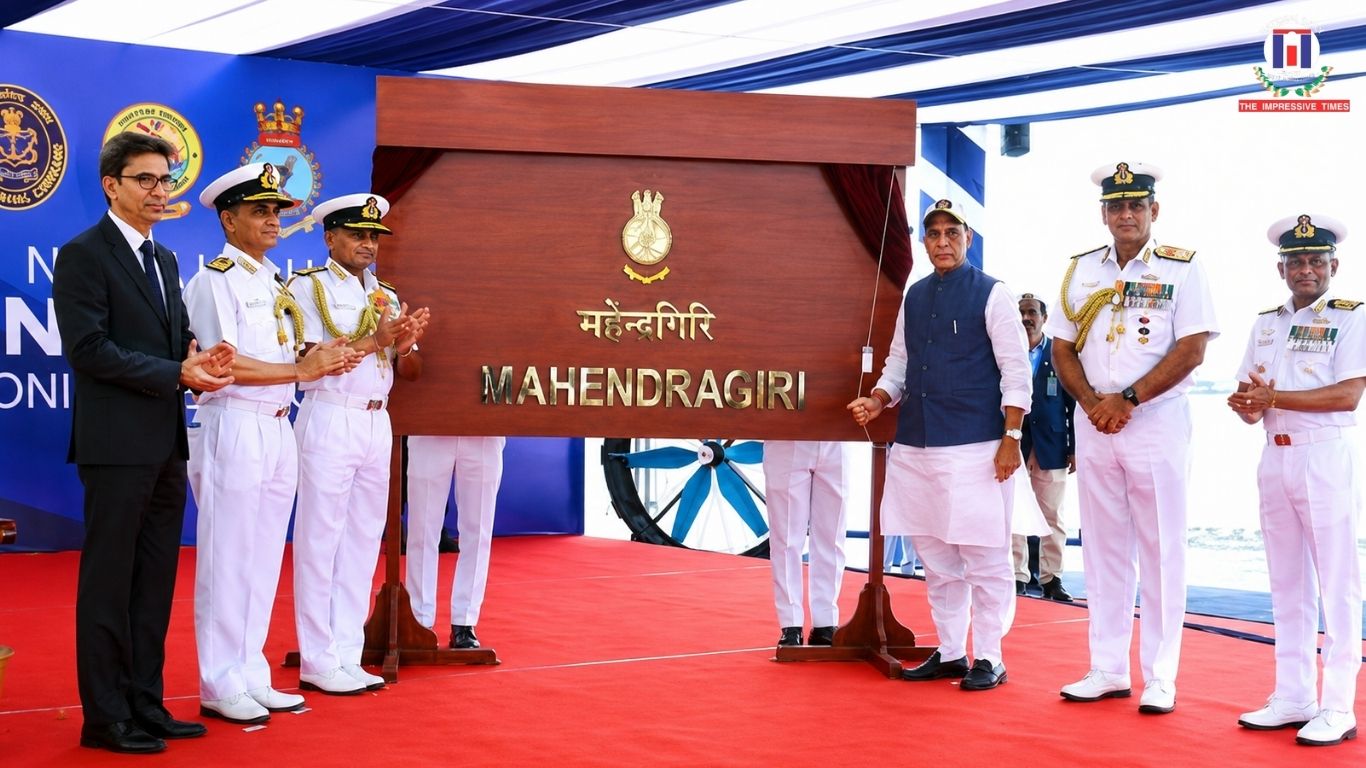
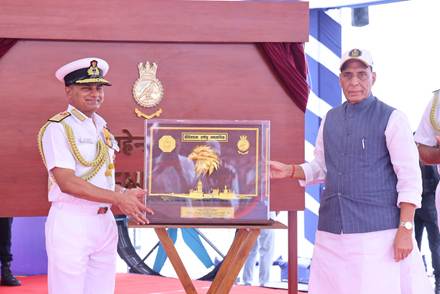
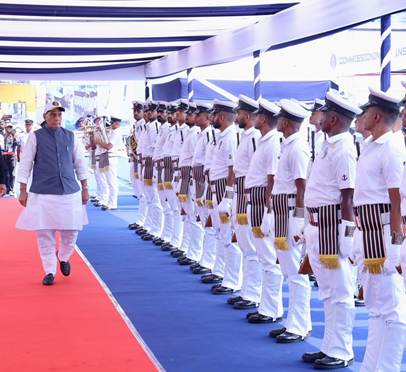
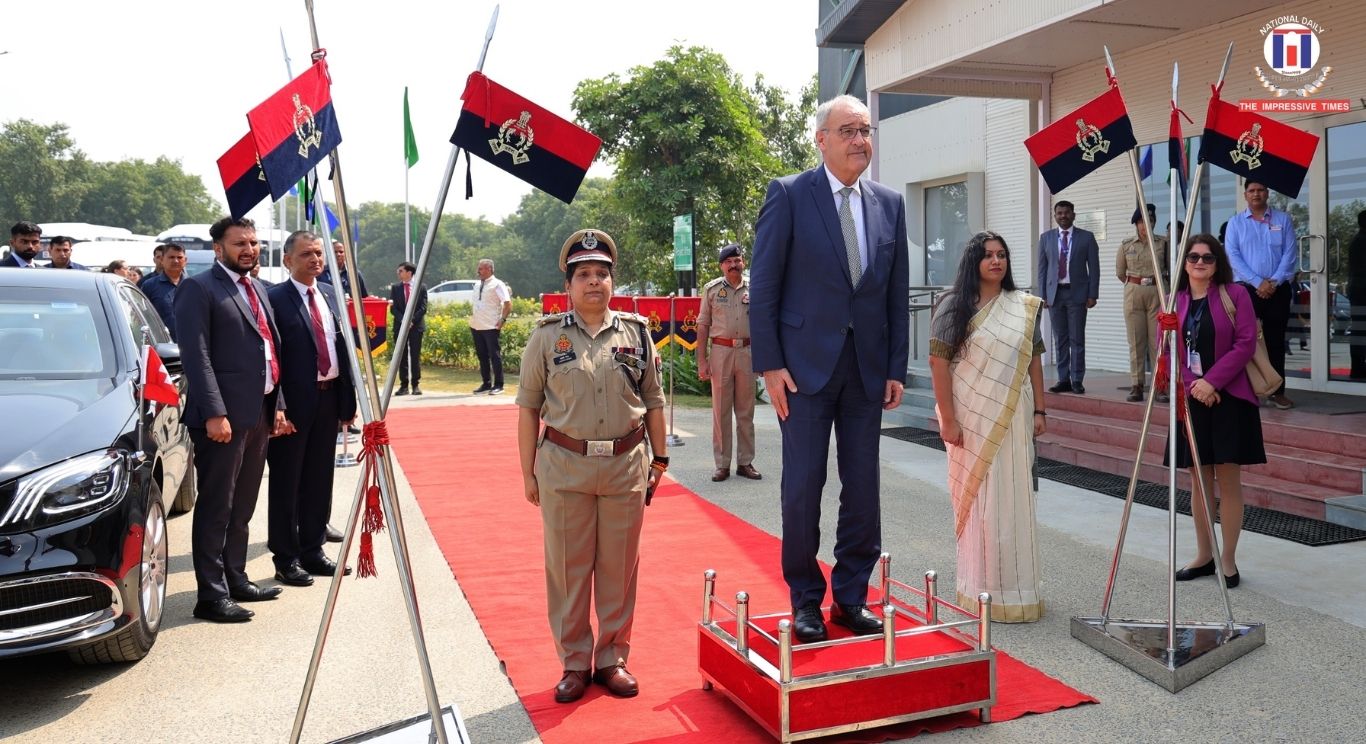
Visakhapatnam, July 11: India’s naval capabilities received a major boost on Saturday as the Indian Navy formally inducted INS Mahendragiri, an advanced indigenous stealth frigate, into its Eastern Fleet at a commissioning ceremony held in Visakhapatnam. Defence Minister Rajnath Singh presided over the event, describing the warship as a significant milestone in India’s journey toward self-reliance in defence manufacturing and modern naval preparedness.
INS Mahendragiri is the sixth warship under the Project 17A frigate programme to enter service within the last eighteen months, reflecting the rapid pace of indigenous warship production. The vessel has been designed by the Indian Navy’s Warship Design Bureau and constructed by Mazagon Dock Shipbuilders Limited (MDL) in Mumbai, with more than 75 percent of its components sourced from within the country.
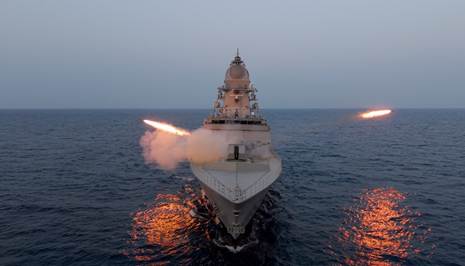
Built for multi-dimensional naval missions, the frigate is capable of conducting air defence, anti-submarine and anti-surface warfare, maritime surveillance, interdiction operations, and humanitarian assistance and disaster relief missions. Weighing around 6,670 tonnes, the vessel can attain speeds of nearly 28 knots and is equipped with cutting-edge combat systems and low-observable stealth technology.
The ship has the capability to deploy BrahMos supersonic cruise missiles, advanced surface-to-air missile systems, torpedoes, indigenous anti-submarine weapons, electronic warfare equipment, close-in defence systems and a multi-role helicopter, making it one of the most capable frontline warships in the Indian Navy’s fleet.
Addressing the gathering, Rajnath Singh said that although emerging technologies such as artificial intelligence, drones, cyber warfare, hypersonic weapons and space-based systems are reshaping modern warfare, conventional military strength remains indispensable. He stressed that technological innovation and traditional combat platforms must complement each other to ensure national security.
The Defence Minister also pointed to Operation Sindoor as an example of successfully combining advanced technologies with conventional military capabilities. He said the commissioning of INS Mahendragiri reflects the government’s continued investment in creating a technologically advanced and combat-ready Navy.
Highlighting the importance of maritime security, Singh said India’s economic growth, trade routes, energy supplies and regional stability are closely linked to secure seas. Reaffirming the government’s SAGAR (Security and Growth for All in the Region) vision, he stated that India continues to play the role of a reliable security partner across the Indo-Pacific through anti-piracy patrols, disaster relief operations and evacuation missions.
He also recalled the Navy’s recent role during the West Asia crisis, where Operation Urja Suraksha ensured the safe escort of merchant ships carrying high-value cargo, demonstrating the Navy’s contribution beyond traditional defence responsibilities.
Chief of the Naval Staff Admiral Krishna Swaminathan described INS Mahendragiri as another landmark achievement in India’s indigenous warship programme. He noted that the Project 17A initiative has significantly reduced construction and delivery timelines while improving production efficiency, underscoring the growing capabilities of India’s defence industry.
Named after the Mahendragiri mountain range in the Eastern Ghats, the frigate carries the motto “Mighty, Majestic, Matchless.” Built with contributions from over 200 Indian industries, including numerous MSMEs, the vessel incorporates advanced propulsion, integrated platform management and indigenous combat technologies.
With its induction into the Eastern Fleet, INS Mahendragiri is expected to enhance the Indian Navy’s operational reach and strengthen India’s maritime presence across the Indian Ocean Region, reinforcing the country’s long-term vision of a modern, self-reliant and future-ready naval force.































No Comments: