What If the Real World Is More Exciting Than Your Feed?
The return of offline hobbies signals a cultural shift towards slower living, better mental health and richer everyday experiences.

 The Impressive Times
TIT Correspondent
info@impressivetimes.com
In an age dominated by smartphones, social media, and digital entertainment, offline hobbies are witnessing a strong revival as people look for healthier ways to unwind and reconnect with the real world.
Creative and nature-based activities such as pottery, gardening, journaling, birdwatching, knitting, and film photography are becoming increasingly popular, particularly among Gen Z and millennials. Experts say the trend is being driven by growing awareness of digital fatigue, rising stress levels, and the desire for meaningful experiences beyond screens.
Unlike digital content that is consumed instantly, offline hobbies encourage patience, creativity, and mindfulness. Activities such as pottery and painting allow individuals to create something tangible, while gardening and birdwatching provide opportunities to spend time outdoors and reconnect with nature.
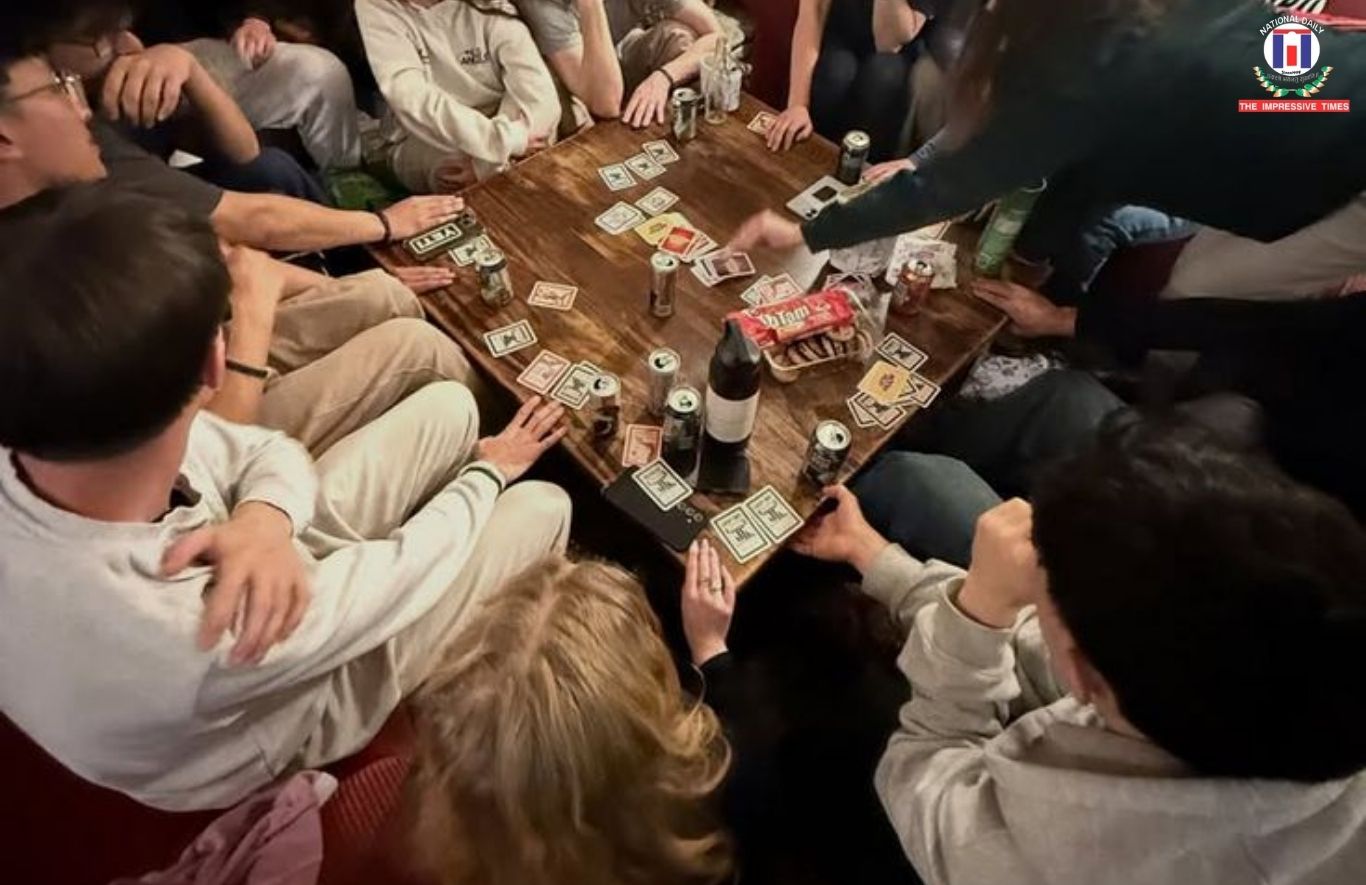
Community spaces are also benefiting from the shift. Pottery studios, gardening clubs, photography walks, and book clubs are attracting participants seeking face-to-face interactions and shared experiences in an increasingly digital world.
Mental health professionals note that engaging in creative and recreational activities can help reduce stress, improve concentration, and support overall well-being. Even a short daily break from screens through hobbies can contribute to better mental health and work-life balance.
As digital lifestyles continue to evolve, the renewed interest in offline hobbies reflects a broader movement toward intentional living, where people are choosing experiences that foster creativity, relaxation, and genuine human connection.






































No Comments: