Are We Living for Ourselves or Social Media Validation?
From daily choices to big life moments, social media approval is quietly shaping how we experience modern life.

 The Impressive Times
TIT Correspondent
info@impressivetimes.com
Life today is no longer just lived, it is also displayed. From morning routines to late-night outings, from what we eat to where we travel, almost everything now passes through the lens of social media before it feels “complete.” Platforms like Instagram, Snapchat, and others have quietly changed the way people experience their own lives. A question that naturally follows, are we living for ourselves, or for social media validation?
Social media validation refers to the approval we receive online in the form of likes, comments, shares, and views. Over time, these digital reactions have become more than just numbers on a screen. For many people, they have started influencing how experiences are chosen, shaped, and even remembered.
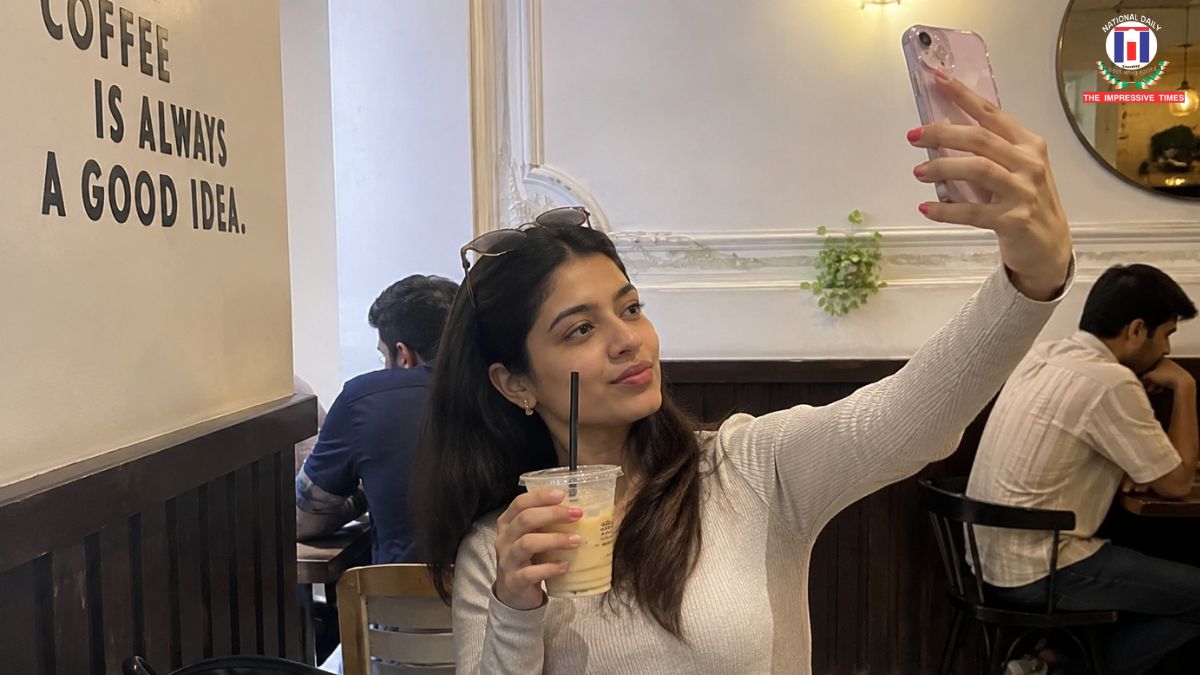
A simple moment like going out for coffee is no longer just about the experience. It often includes thinking about lighting, background, angle, and whether it looks “post-worthy.” A vacation is not only about relaxation but also about capturing content that fits a certain aesthetic. Slowly, the experience itself and the presentation of the experience begin to merge.
This shift does not happen overnight. It starts in small, almost invisible ways like taking a photo before eating, uploading a quick story, or checking reactions after posting something. Gradually, attention can shift from how something feels in the moment to how it performs online. The experience becomes incomplete unless it is shared and acknowledged.
Social media platforms are designed to encourage this behavior. Every like provides instant feedback. Every comment adds a sense of recognition. Every share expands visibility. This constant loop of response can subtly shape expectations, making external approval feel more rewarding than personal satisfaction.
As a result, decisions in daily life can begin to change. People may choose places based on how they look in photos, not just how enjoyable they are. Events may feel more important if they generate engagement online. Even personal achievements can feel less significant if they don’t receive enough attention on social media.
However, behind this digital visibility, the quiet parts of life that never get posted. Conversations that stay private, moments that are too ordinary to share, experiences that are meaningful but not “aesthetic.” These are often the parts that carry real emotional weight, even though they remain unseen by others.
There is also a growing pressure that comes with this culture of validation. The pressure to appear happy, active, successful, and constantly engaged. Even normal days can feel incomplete if they are not represented online in a certain way. Over time, this can blur the line between living life and presenting life.
At the same time, social media is not entirely negative. It helps people connect, express creativity, build communities, and even create careers. The issue is not its existence, but the balance people maintain with it.
The important question is how much control does social media has over everyday choices. Are experiences being chosen for personal joy, or for online approval? Are moments being lived fully, or already being prepared for posting?
In the end, real life continues beyond the screen. The most meaningful moments are often the ones that don’t perform well online but stay with us far longer than any post or story ever could.





































No Comments: