Union Minister Ashwini Vaishnaw Showcases Mizoram’s Leap in Rail Connectivity
Ashwini Vaishnaw highlights Mizoram’s historic Bairabi–Sairang railway line, a ₹8,000 crore project linking Aizawl to India’s rail network and showcasing the innovative Himalayan Tunnelling Method that drives North East development.
TIT Correspondent
info@impressivetimes.com
A Region Transformed
For decades, the North East was seen as a remote frontier, its aspirations constrained by weak infrastructure and limited opportunities. That perception has changed dramatically under Prime Minister Narendra Modi’s Act East policy, which prioritises peace, progress, and prosperity through record investments in railways, roads, airports, and digital connectivity.
Record Railway Investments
Railway funding for the North East has increased fivefold compared to 2009–14, with a ₹10,440-crore allocation this fiscal year alone. Since 2014, the region has received ₹62,477 crore for rail projects, and work worth ₹77,000 crore is underway—an unprecedented scale of development.
Historic Milestone for Mizoram
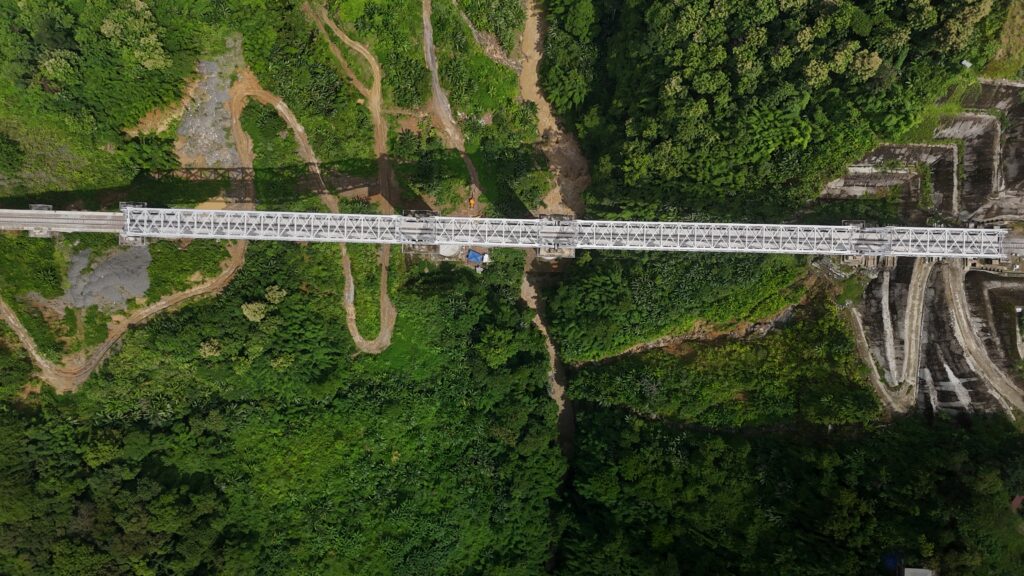
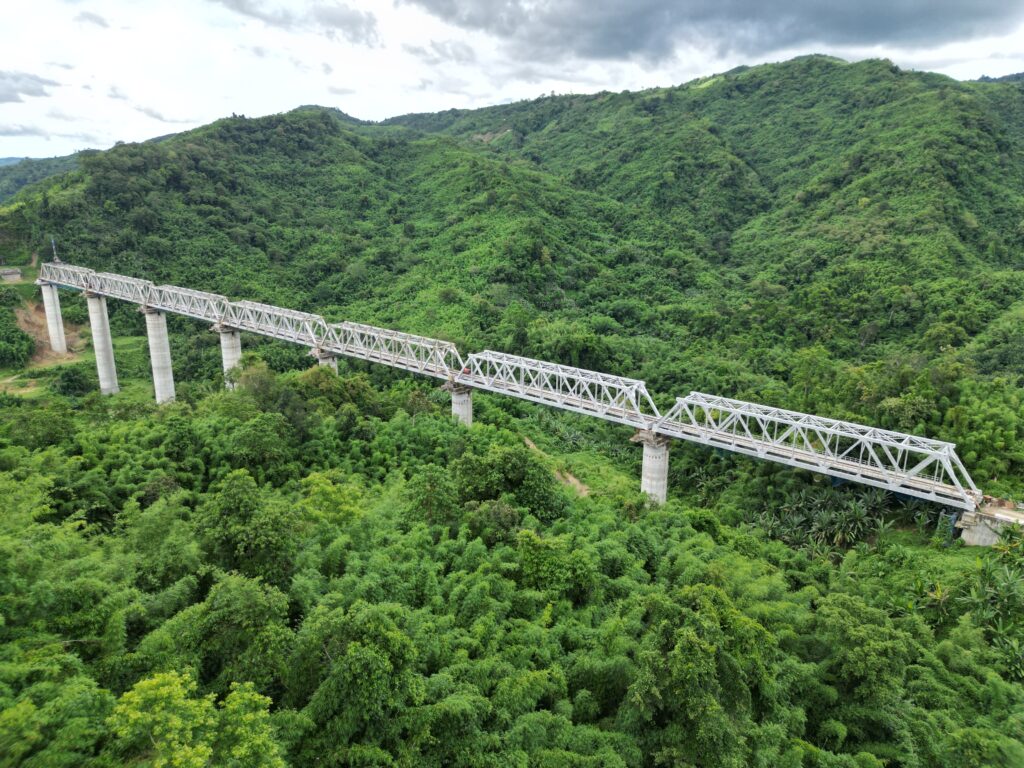
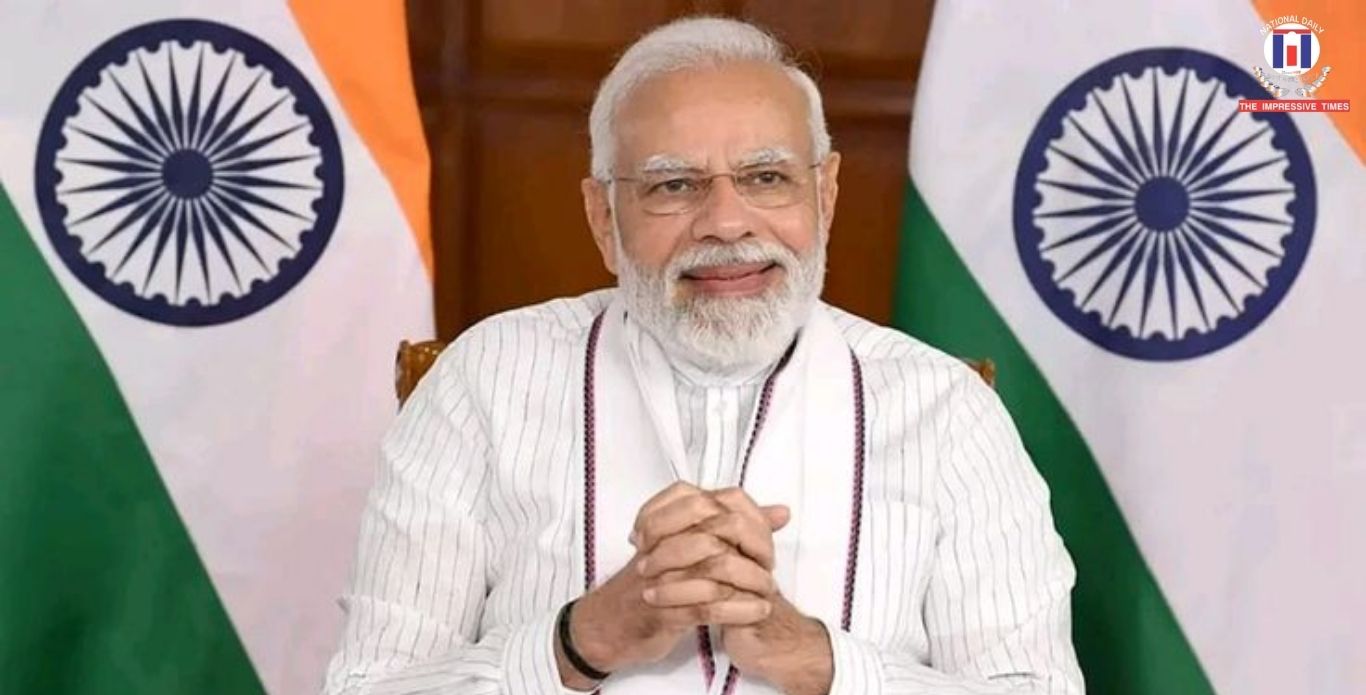
Mizoram, celebrated for its vibrant culture and scenic hills, will join India’s national railway network for the first time. Prime Minister Modi will inaugurate the 51-km Bairabi–Sairang railway line tomorrow, built at a cost of over ₹8,000 crore. The new link connects Aizawl to the rest of the country and will launch three new train services:
-
Sairang–Delhi Rajdhani Express
-
Sairang–Kolkata Mizoram Express
-
Sairang–Guwahati Aizawl Intercity
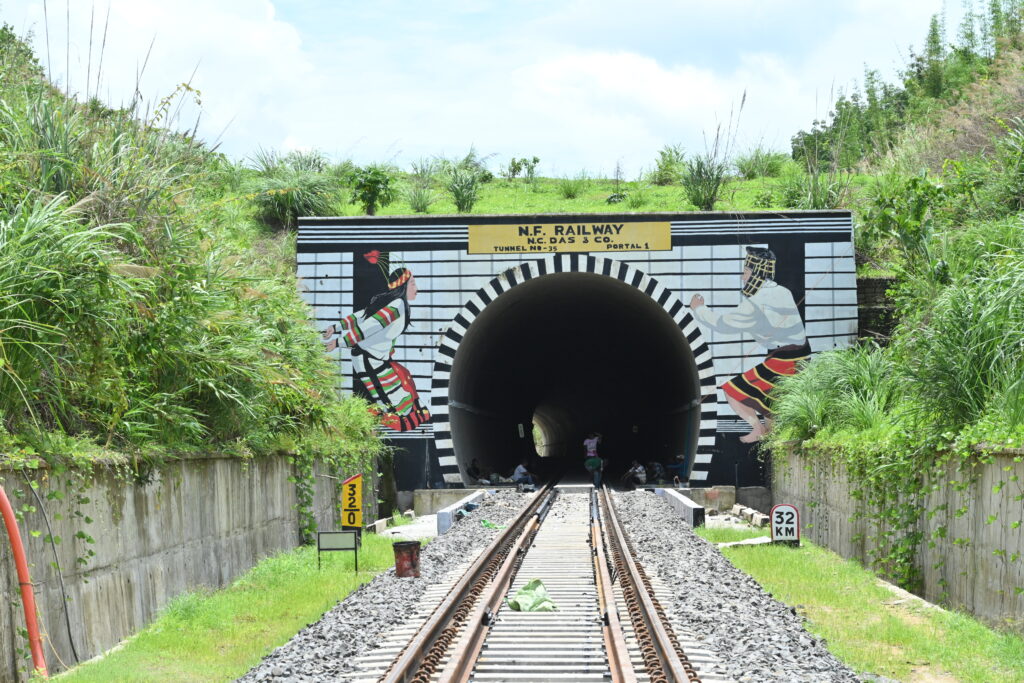
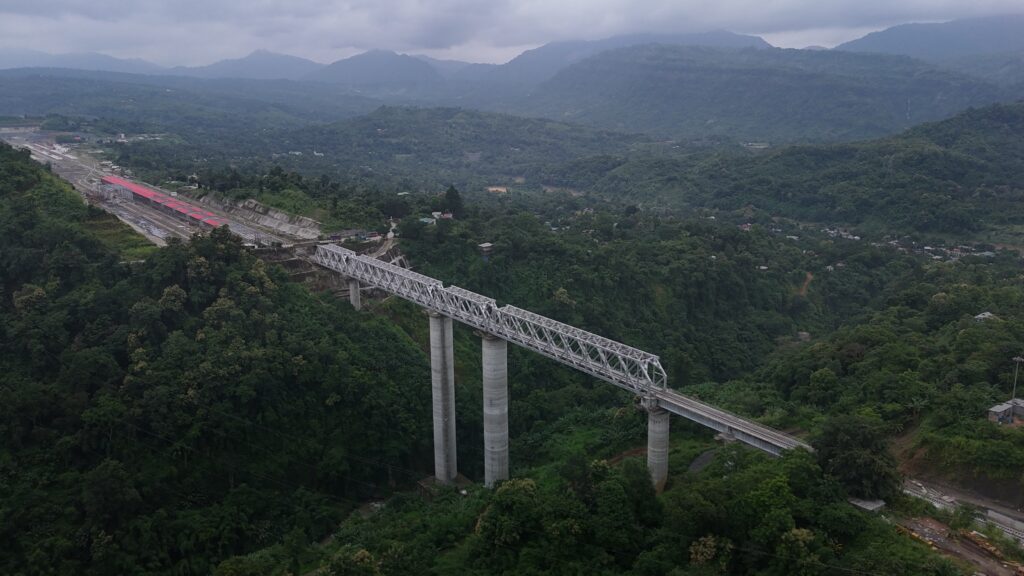
The project required 143 bridges and 45 tunnels across challenging Himalayan terrain, including one bridge taller than the Qutub Minar.
Engineering Breakthroughs
Constructing tunnels through soft, unstable Himalayan soil demanded innovation. Engineers pioneered the Himalayan Tunnelling Method, which stabilises and solidifies soil before excavation. Advanced seismic-resistant bridge designs ensure safety in this earthquake-prone region—an approach now viewed as a model for similar terrains worldwide.
Economic & Social Impact
The new line is expected to:
-
Cut Aizawl–Delhi travel time by eight hours.
-
Lower transport costs for farmers exporting bamboo and horticultural produce.
-
Improve supply of essential goods like food grains and fertilisers.
-
Boost tourism and local business opportunities.
-
Enhance access to education, healthcare, and jobs.
Nationwide Railway Modernisation
Across India, more than 100 Amrit Bharat stations are operational, with 1,200 more planned. Over 150 Vande Bharat trains are running, and near-complete electrification is making the network greener. Since 2014, 35,000 km of new track have been laid—exceeding the total of the previous six decades—with 3,200 km added last year alone.
North East as Growth Engine
Major projects, including a Tata semiconductor facility in Assam, the Tato hydel project in Arunachal Pradesh, the Bogibeel rail-cum-road bridge, AIIMS Guwahati, and 10 new greenfield airports, are reshaping the region. As the Prime Minister affirms, “EAST means Empower, Act, Strengthen and Transform.”
From Waiting to Leading
Once told to wait for basic infrastructure, Mizoram and the wider North East are now central to India’s development narrative—transitioning from a distant frontier to a true front-runner of national growth.



























No Comments: