Pakistan announces scheduled power cuts to manage rising energy prices
Pakistan announces scheduled power cuts

 The Impressive Times
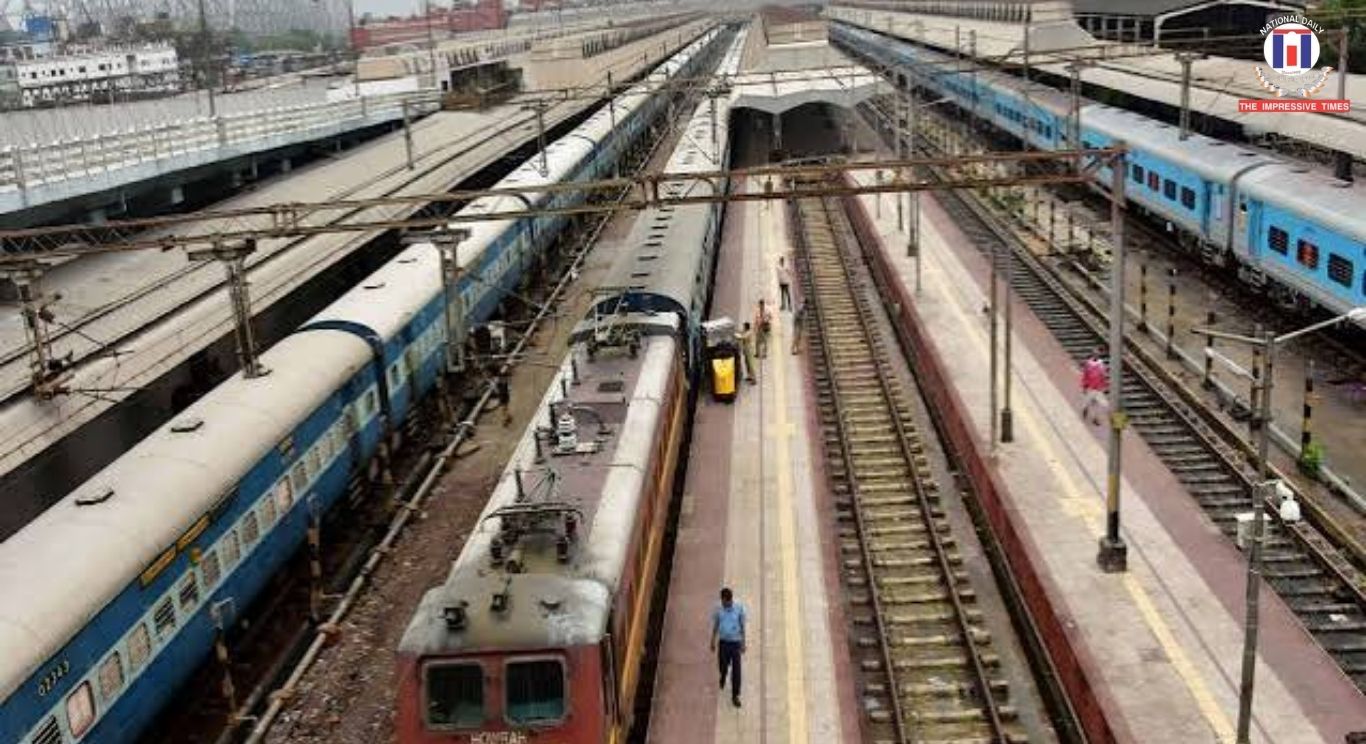
Islamabad | April 15, 2026: The government of Pakistan has decided to implement daily electricity outages during peak evening hours as part of efforts to contain rising energy costs amid global market disruptions.
According to the country’s energy authorities, power supply will be temporarily suspended for around two to two-and-a-quarter hours each day between 5:00 PM and 1:00 AM. The outages will be carried out in phases across different regions rather than nationwide at the same time.
The move comes as electricity demand surges in the evening, forcing reliance on expensive fuel-based power generation. Reduced hydropower output has further widened the supply gap, increasing dependence on furnace oil plants.
Officials stated that the measure is aimed at limiting the use of costly fuels and preventing a sharp increase in electricity tariffs for consumers.
The decision is closely linked to ongoing tensions in the Middle East, particularly the conflict involving Iran, which has disrupted global energy supply chains.
A key concern has been the blockage of the Strait of Hormuz—a crucial route through which a significant portion of the world’s oil and gas is transported. The disruption has pushed fuel prices higher, impacting import-dependent countries like Pakistan.
Authorities confirmed that major urban centres such as Karachi and Hyderabad will not face these scheduled cuts. The exemption is attributed to the availability of relatively cheaper electricity generation sources in the southern region.
Instead of nationwide blackouts, the government will implement rolling power cuts, ensuring that different areas are affected at different times to minimise widespread disruption.
Although Pakistan has managed to secure some fuel shipments during the crisis, it is paying significantly higher prices due to global volatility. The increased cost burden has prompted authorities to take immediate steps to balance supply and demand.















![UEFA Champions League: 10-men United fall 2-0 to Atleti; Viking hold Bayern to 3-3 draw ANI | Updated: Oct 14, 2026 09:08 IST Madrid [Spain], October 14 (ANI): Manchester United’s 2026/27 season is turning out to be a disaster after the club showed promise following Michael Carrick taking the helm of the club in January, as it faced another loss on Tuesday (local time). In its first away fixture for this season’s UEFA Champions League at the Estadio Metropolitano stadium, the Red Devils were handed a 2-0 defeat by Atletico Madrid, causing the club more misery as it also struggles domestically. Pablo Barrios scored inside the opening minute for Atletico before substitute Ademola Lookman sealed the victory late in the second half. Barrios capitalised on an early lapse in Manchester United’s defence to put Atletico ahead within the first 60 seconds of the match. Despite the initial shock of conceding so early, United pushed for an equaliser, with Bryan Mbeumo leading the attack on most occasions without any significant result. The hosts controlled much of the first half with their high-intensity pressing and possession. Alejandro Grimaldo came close to extending the lead with a free kick that struck the woodwork. Manchester United looked to respond after the break but struggled to create any clear chances against Atletico’s defence. Bruno Fernandes came close to equalising in the 70th minute, rattling the crossbar with an effort from distance. ‹› United’s task became more difficult in the 74th minute when defender Leny Yoro received a red card over a reckless challenge on Jonathan David. Atletico made their numerical advantage count five minutes later. Lookman, who had come on as a substitute, reacted quickest after goalkeeper Senne Lammens parried Jonathan David’s initial shot and found the back of the net in the 79th minute to seal the victory. Both teams have now recorded one win and one defeat in the opening stages of the Champions League league phase. Elsewhere, Norwegian side Viking FK held Bayern Munich to a dramatic 3-3 draw in the league phase. Viking mounted a late comeback to earn a draw after Bayern had overturned a two-goal deficit. At the Viking Stadion in Stavanger, Norwegian side Viking FK held Bayern Munich to a 3-3 draw, scoring a dramatic late equaliser after the German side had overturned a two-goal deficit. Gianni Stensness gave Viking an early lead in the second minute with a header from a corner before Peter Christiansen doubled their advantage in the 38th minute. Bayern responded after the break, with Harry Kane scoring twice in the 54th and 60th minutes to level the score. Luis Diaz put the visitors ahead in the 71st minute. However, Bayern were reduced to 10 men three minutes later after Michael Olise received his second yellow card. Viking capitalised on the advantage as Herman Haugen scored in the 90th minute to secure a 3-3 draw. With one win and one draw, Bayern are placed fourth with four points, while Viking are 26th with a draw and a loss. (ANI)](https://impressivetimes.com/wp-content/uploads/2026/10/TIT-Website-Image-4-5.jpg)






















No Comments: